



Hey there! As a supplier of Fire Water Supply Pumps, I often get asked about the energy consumption of these pumps. It's a crucial topic, especially for those looking to manage costs and ensure efficient operations. So, let's dive right in and explore what goes into the energy consumption of a fire water supply pump.
First off, it's important to understand that the energy consumption of a fire water supply pump isn't a one - size - fits - all deal. There are several factors that play a role in determining how much energy a pump uses.
One of the main factors is the pump's power rating. The power rating is usually measured in kilowatts (kW). A higher power - rated pump will generally consume more energy. For example, a small - scale fire water supply pump with a power rating of 5 kW will use less energy compared to a large - scale industrial pump with a 50 kW rating. When you're choosing a pump, you need to balance your water supply requirements with the power rating. If you go for a pump that's too powerful for your needs, you'll end up wasting energy and money.
The flow rate is another key factor. Flow rate refers to the volume of water that the pump can move in a given amount of time, typically measured in liters per minute (L/min) or gallons per minute (GPM). A pump that needs to deliver a high flow rate will consume more energy. This is because it has to work harder to push a larger volume of water through the pipes. For instance, if you have a large building with multiple floors and high - demand fire suppression systems, you'll need a pump with a high flow rate, but you also have to be prepared for higher energy consumption.
The head pressure is also significant. Head pressure is the force that the pump needs to overcome to move water to a certain height or distance. Think of it as the resistance the pump faces. If you're pumping water to a tall building or over a long distance, the pump has to work harder, which means more energy consumption. The head pressure is usually measured in meters (m) or feet (ft).
The efficiency of the pump itself plays a huge role. A more efficient pump will use less energy to achieve the same flow rate and head pressure compared to a less efficient one. Modern pumps are designed to be more energy - efficient, with advanced impeller designs and better motor technology. When you're shopping for a fire water supply pump, look for pumps with high efficiency ratings. This might cost a bit more upfront, but it can save you a lot of money in the long run on energy bills.
Now, let's talk about how you can manage the energy consumption of your fire water supply pump. One way is to use variable frequency drives (VFDs). VFDs allow you to adjust the speed of the pump motor according to the actual demand. For example, during normal operation when the demand for water is low, the pump can run at a lower speed, consuming less energy. When there's a fire and the demand spikes, the pump can ramp up to full speed. This can lead to significant energy savings over time.
Another strategy is regular maintenance. A well - maintained pump will operate more efficiently. Make sure to check the pump for leaks, clean the filters, and lubricate the moving parts regularly. A pump that's in good condition will use less energy to do its job.
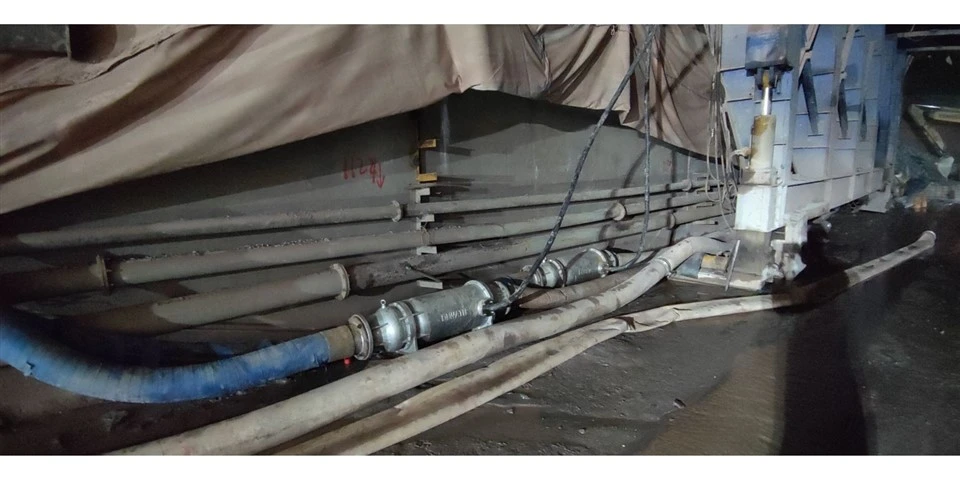
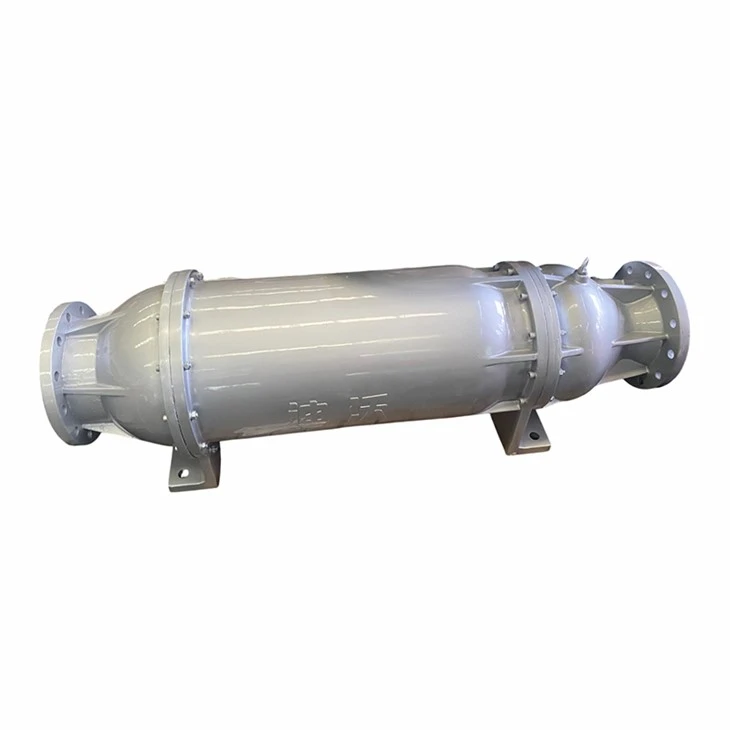
As a supplier, I've seen firsthand the impact of energy consumption on our customers' budgets. That's why we offer a range of fire water supply pumps with different power ratings, flow rates, and efficiency levels. Whether you're a small business owner looking for a basic pump or a large industrial facility in need of a high - capacity system, we've got you covered.
In addition to fire water supply pumps, we also offer related products like Disaster Water Drainage Equipment, Flood Prevention and Drainage Mobile Pump, and Mine Flooded Drainage Rescue Equipment. These products are designed to handle different water - related emergencies and are also engineered with energy efficiency in mind.
If you're in the market for a fire water supply pump or any of our other products, don't hesitate to reach out. We can help you choose the right pump based on your specific needs and energy requirements. Our team of experts is always ready to answer your questions and provide you with detailed information about the energy consumption of our pumps. Whether you're looking to upgrade your existing system or install a new one, we're here to assist you every step of the way.
In conclusion, understanding the energy consumption of a fire water supply pump is essential for cost - effective and efficient operations. By considering factors like power rating, flow rate, head pressure, and pump efficiency, and by implementing strategies like using VFDs and regular maintenance, you can manage your energy usage and save money. If you have any questions or want to start a conversation about purchasing a fire water supply pump, just let us know. We're eager to work with you and help you find the best solution for your needs.
References:
- "Pump Handbook" by Igor J. Karassik et al.
- Industry reports on pump energy efficiency from relevant engineering associations.