


Delivery height, often referred to as head in the realm of fluid dynamics, is a crucial parameter when it comes to diesel flood control pumps. As a supplier of diesel flood control pumps, understanding and communicating the concept of delivery height is essential for our customers to make informed decisions about their flood - control needs.
Understanding the Concept of Delivery Height
The delivery height of a diesel flood control pump represents the vertical distance that the pump can lift water from the source to the discharge point, along with overcoming the frictional losses in the piping system. It is measured in meters (m) or feet (ft). This parameter is a key determinant of a pump's performance, as it directly affects the pump's ability to move water effectively.
There are two main components that contribute to the delivery height: static head and friction head. The static head is the vertical distance between the water source and the discharge point. For example, if you are pumping water from a flooded basement to the ground level, the height difference between the basement floor and the ground is the static head.
The friction head, on the other hand, accounts for the energy losses due to the friction between the water and the inner walls of the pipes, as well as losses at fittings such as elbows, valves, and couplings. The friction head depends on several factors, including the pipe diameter, length of the pipe, flow rate, and the roughness of the pipe interior. A larger pipe diameter generally results in lower friction losses, while a longer pipe or a higher flow rate will increase the friction head.
Factors Affecting the Delivery Height of Diesel Flood Control Pumps
- Pump Design and Configuration: Different pump designs have varying capabilities in terms of delivery height. Centrifugal pumps, which are commonly used in diesel flood control applications, work by converting the rotational energy of an impeller into kinetic energy of the water, and then into pressure energy. The design of the impeller, such as its diameter, blade shape, and number of blades, can significantly affect the pump's ability to generate high heads. A larger impeller diameter generally allows the pump to generate a higher delivery height.
- Engine Power: The diesel engine that drives the pump provides the energy required to lift and move the water. Higher - power engines can typically drive pumps to achieve greater delivery heights. However, it's important to note that the relationship between engine power and delivery height is not always linear, as other factors such as pump efficiency also play a role.
- Pipe System: As mentioned earlier, the pipe system can have a significant impact on the delivery height. The diameter, length, and material of the pipes, as well as the number and type of fittings, all affect the friction head. Proper pipe sizing and installation are crucial to minimize friction losses and ensure that the pump can achieve its designed delivery height.
Importance of Delivery Height in Flood Control Applications
In flood control scenarios, the delivery height determines the pump's ability to move water from flooded areas to safe locations. For instance, in urban areas with low - lying streets or basements, a pump with sufficient delivery height is needed to lift the water to a storm drain or a higher - elevation discharge point.
In industrial settings, such as mines or construction sites, the delivery height may be even more critical. In a mine, water may accumulate at great depths, and a powerful flood control pump with a high delivery height is required to pump the water to the surface. Similarly, in large - scale construction projects, pumps need to be able to handle water from various levels and discharge it to an appropriate location, often over long distances and at significant elevations.
How to Determine the Required Delivery Height
- Assessing the Site: The first step in determining the required delivery height is to assess the site where the pump will be used. Measure the vertical distance between the water source and the discharge point. Consider the layout of the area, including any obstacles or changes in elevation.
- Calculating Friction Losses: Once the static head is determined, the next step is to calculate the friction losses in the pipe system. This can be done using established formulas or by referring to pipe friction loss charts. Factors such as pipe diameter, length, flow rate, and the type of fittings should be taken into account.
- Adding a Safety Margin: It's advisable to add a safety margin to the calculated delivery height to account for any uncertainties or future changes in the system. A safety margin of 10 - 20% is commonly used.
Our Range of Diesel Flood Control Pumps and Their Delivery Heights
As a supplier of diesel flood control pumps, we offer a wide range of products with varying delivery heights to meet the diverse needs of our customers. Our pumps are designed and manufactured to the highest standards, ensuring reliable performance and long - term durability.
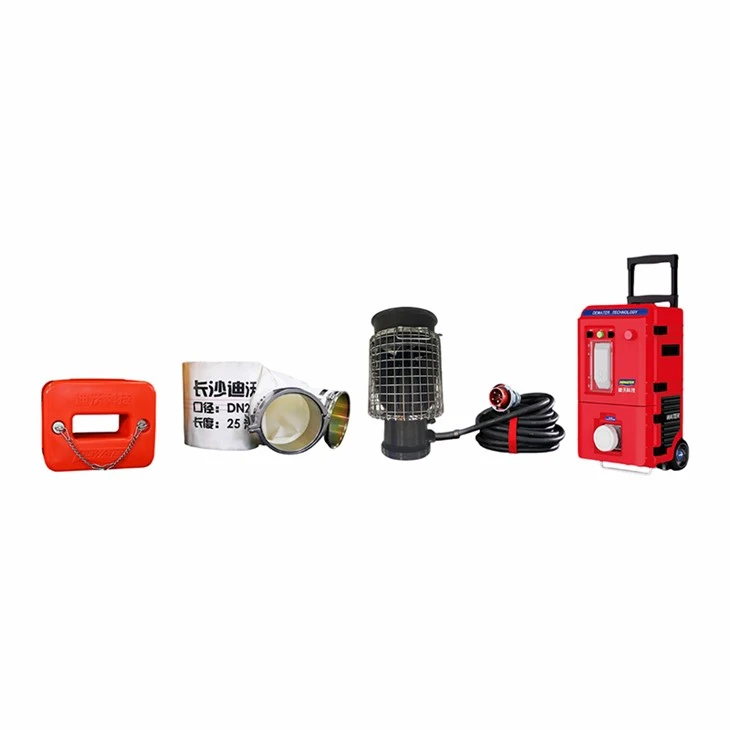
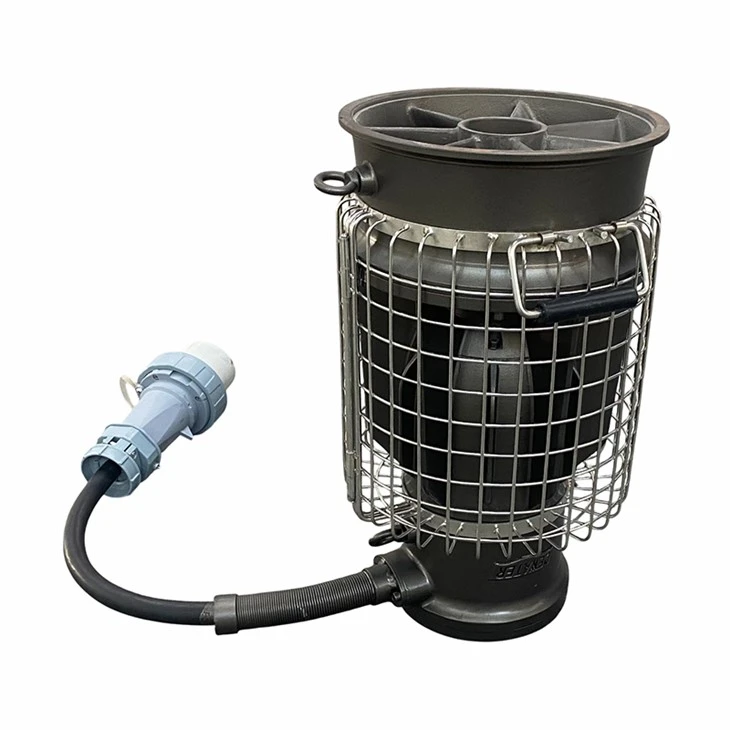
For applications where a relatively low delivery height is required, such as small - scale residential flood control or light - duty industrial applications, we have pumps with delivery heights ranging from 10 to 30 meters. These pumps are compact, easy to operate, and offer excellent value for money.
For more demanding applications, such as large - scale urban flood control or deep - mine dewatering, we offer high - performance pumps with delivery heights of up to 100 meters or more. These pumps are equipped with powerful diesel engines and advanced pump designs to ensure efficient and reliable operation even under the most challenging conditions.
Related Products for Flood Control
In addition to our diesel flood control pumps, we also offer a range of related products that can enhance the effectiveness of flood control systems:
- Floating Pump Station: Our floating pump stations are designed for use in flooded areas where the water level may fluctuate. They can be easily deployed and provide a stable platform for pumping water.
- Mobile Drainage Pump: Our mobile drainage pumps are highly portable and can be quickly transported to the site of a flood. They are ideal for emergency flood control situations.
- Underground Garage Drainage Pump: Specifically designed for use in underground garages, these pumps are capable of handling the unique challenges of pumping water from confined spaces.
Contact Us for Procurement and Consultation
If you are in need of a diesel flood control pump or any of our related products, we invite you to contact us for procurement and consultation. Our team of experts is available to assist you in selecting the right pump for your specific application, taking into account factors such as delivery height, flow rate, and operating conditions. We can also provide detailed technical specifications, installation guidance, and after - sales support.
References
- Crane Company. (1988). Flow of Fluids Through Valves, Fittings, and Pipe. Technical Paper No. 410M.
- Karassik, I. J., Messina, J. P., Cooper, P. T., & Heald, C. C. (2008). Pump Handbook. McGraw - Hill.
- Tullis, J. P. (1989). Hydraulics of Pipelines: Pumps, Valves, Cavitation, Transients. John Wiley & Sons.