


Hey there, pump enthusiasts! As a supplier of Traction Large Flow Pumps, I often get asked about the cavitation margin requirements for these beasts. So, I thought I'd take a deep dive into this topic and share some insights with you.
First things first, let's talk about what cavitation is. In simple terms, cavitation occurs when the pressure in a liquid drops below its vapor pressure, causing the formation of vapor bubbles. When these bubbles collapse, they create shockwaves that can damage the pump impeller, casing, and other components over time. This not only reduces the pump's efficiency but can also lead to costly repairs and downtime.
Now, the cavitation margin is the difference between the absolute pressure at the pump inlet and the vapor pressure of the liquid at the operating temperature. It's a crucial parameter that ensures the pump operates without cavitation. For a Traction Large Flow Pump, the cavitation margin requirement depends on several factors, including the pump design, the type of liquid being pumped, and the operating conditions.
Pump Design
The design of the Traction Large Flow Pump plays a significant role in determining the cavitation margin requirement. Pumps with larger impellers and more efficient flow paths generally require a lower cavitation margin. This is because they can handle higher flow rates with less pressure drop, reducing the likelihood of cavitation.
For example, our Traction Large Flow Pumps are designed with advanced hydraulic profiles and large impellers to minimize pressure losses and optimize flow. This allows them to operate efficiently with a relatively low cavitation margin, even at high flow rates.
Type of Liquid
The type of liquid being pumped also affects the cavitation margin requirement. Liquids with higher vapor pressures, such as volatile hydrocarbons or hot water, require a higher cavitation margin to prevent cavitation. This is because the vapor pressure of the liquid is closer to the operating pressure, making it easier for bubbles to form.
On the other hand, liquids with lower vapor pressures, such as cold water or viscous fluids, require a lower cavitation margin. This is because the vapor pressure of the liquid is much lower than the operating pressure, reducing the risk of cavitation.
Operating Conditions
The operating conditions, such as the flow rate, head, and suction pressure, also influence the cavitation margin requirement. Pumps operating at higher flow rates or heads generally require a higher cavitation margin to maintain stable operation. This is because the pressure drop across the pump increases with flow rate and head, increasing the likelihood of cavitation.
Similarly, pumps operating at low suction pressures require a higher cavitation margin to prevent the liquid from boiling at the pump inlet. This is especially important in applications where the pump is located at a high elevation or where the suction line is long and has significant friction losses.
Calculating the Cavitation Margin Requirement
So, how do you calculate the cavitation margin requirement for a Traction Large Flow Pump? The general formula for calculating the required net positive suction head (NPSHr), which is a measure of the cavitation margin, is as follows:
[ NPSHr = \Delta h + \frac{v^2}{2g} + h_f ]
where:
- (\Delta h) is the difference in elevation between the liquid level in the suction tank and the pump centerline.
- (\frac{v^2}{2g}) is the velocity head at the pump inlet.
- (h_f) is the friction head loss in the suction line.
Once you have calculated the NPSHr, you can compare it to the available net positive suction head (NPSHa), which is the actual pressure available at the pump inlet. The NPSHa should be greater than the NPSHr to ensure the pump operates without cavitation.
Meeting the Cavitation Margin Requirement
To meet the cavitation margin requirement for a Traction Large Flow Pump, there are several steps you can take:
- Optimize the suction system: Ensure the suction line is short, straight, and has a large diameter to minimize friction losses. Use a low-suction-head design to reduce the elevation difference between the liquid level and the pump centerline.
- Maintain the correct liquid level: Keep the liquid level in the suction tank above the minimum level recommended by the pump manufacturer. This helps to prevent air from entering the pump and reduces the risk of cavitation.
- Monitor the operating conditions: Regularly monitor the flow rate, head, and suction pressure to ensure the pump is operating within its design limits. If the operating conditions change, adjust the pump settings or the system configuration as needed.
- Choose the right pump: Select a Traction Large Flow Pump with a low NPSHr rating for your application. Our pumps are designed to meet the most demanding cavitation margin requirements, ensuring reliable and efficient operation.
Applications of Traction Large Flow Pumps
Traction Large Flow Pumps are widely used in various industries, including flood control, emergency rescue, and industrial wastewater treatment. Here are some examples of how our pumps are used in different applications:
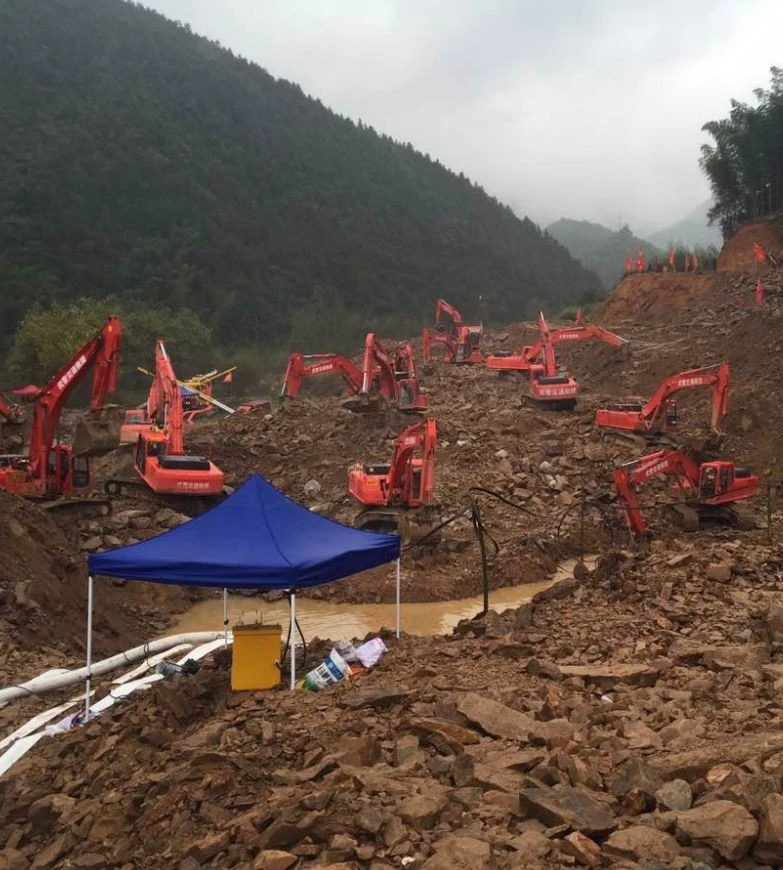
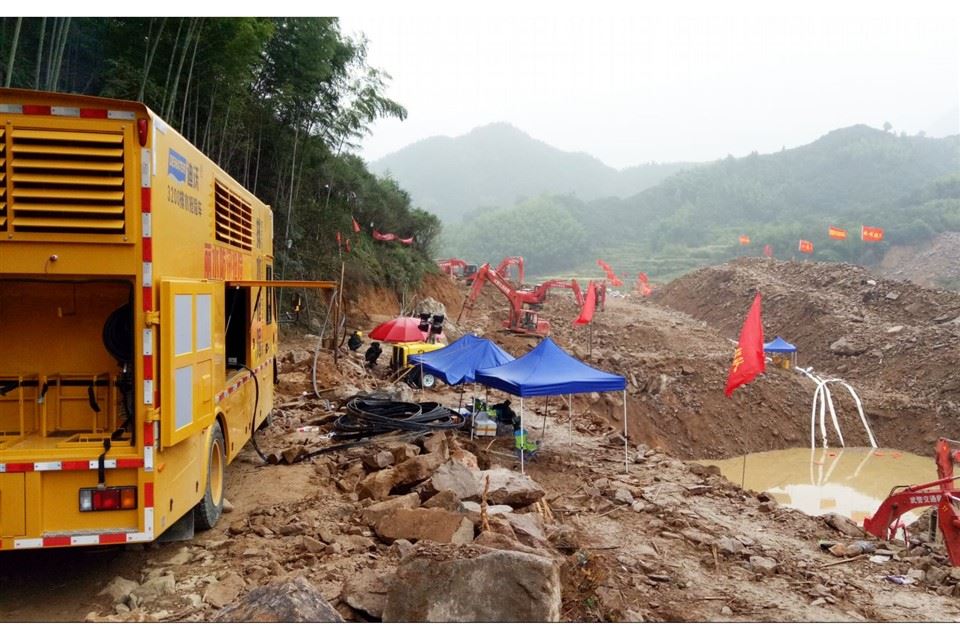
- Flood Control: Our pumps are used in Mobile Drain Pump Truck for Flood Control to quickly remove large volumes of water during floods. They can be easily deployed to the affected areas and provide high flow rates to prevent further damage.
- Emergency Rescue: In emergency situations, such as firefighting or search and rescue operations, our Rescue Mobile Drainage Pump can be used to drain water from flooded areas or to supply water for firefighting. They are portable, easy to operate, and can be quickly connected to the existing water supply.
- Industrial Wastewater Treatment: Traction Large Flow Pumps are also used in industrial wastewater treatment plants to transfer large volumes of wastewater from one process to another. They can handle a wide range of liquids, including corrosive and abrasive fluids, and are designed to provide reliable and efficient operation.
Contact Us for Procurement
If you're in the market for a Traction Large Flow Pump or need more information about our products, feel free to reach out to us. We have a team of experienced engineers and sales representatives who can help you choose the right pump for your application and answer any questions you may have. Whether you're looking for a pump for flood control, emergency rescue, or industrial wastewater treatment, we've got you covered. Contact us today to start the procurement process and find the perfect solution for your needs.
References
- "Pump Handbook" by Karassik, Messina, Cooper, and Heald
- "Cavitation in Centrifugal Pumps" by R. Keshavamurthy and S. K. Datta
- "Fluid Mechanics" by Frank M. White