


Hey there! As a supplier of fire water supply pumps, I've seen firsthand how the price of these pumps can vary quite a bit. There are a bunch of factors that play into what you'll end up paying for a fire water supply pump. Let's dive into what those factors are.
1. Pump Capacity
One of the most obvious factors affecting the price is the pump's capacity. Simply put, the more water a pump can move, the more you're likely to pay. A small - scale fire water supply pump that's designed for a small building or a specific area might be relatively affordable. But if you need a pump that can supply a large volume of water for a big industrial complex or a large municipal area, well, that's going to cost you more.
For example, a pump with a capacity of 500 gallons per minute (GPM) will generally be cheaper than one with a capacity of 2000 GPM. The larger - capacity pumps require more powerful motors, bigger impellers, and sturdier construction to handle the increased flow and pressure. All these additional components add to the manufacturing cost, and that cost gets passed on to you, the buyer.
2. Pump Type
There are different types of fire water supply pumps, and each type has its own price range.
- Centrifugal Pumps: These are the most common type of fire water supply pumps. They're relatively simple in design and are often used for general fire - fighting applications. They're usually more affordable compared to other types. Centrifugal pumps work by using an impeller to create centrifugal force, which moves the water. They're great for low - to medium - pressure applications.
- Positive Displacement Pumps: These pumps are more expensive. They work by trapping a fixed amount of fluid and then forcing it into the discharge pipe. Positive displacement pumps are capable of providing high - pressure output, which makes them suitable for applications where high pressure is required, like in some industrial settings or for long - distance water transfer.
3. Material Quality
The materials used to build the pump have a huge impact on its price.
- Cast Iron: Pumps made from cast iron are often the most budget - friendly option. Cast iron is a common and relatively inexpensive material. It's durable enough for many standard fire - fighting applications. However, it can be prone to corrosion over time, especially if it's exposed to water and certain chemicals.
- Stainless Steel: Stainless - steel pumps are more expensive but offer better corrosion resistance. They're ideal for environments where the water might be corrosive, such as in coastal areas or industrial settings with chemical - laden water. Stainless steel also gives the pump a longer lifespan, which can be a good investment in the long run.
- Bronze: Bronze is another high - quality material used in pump construction. It has excellent corrosion resistance and is often used in parts of the pump that come into contact with water, like impellers and casings. Pumps with bronze components are usually more expensive due to the cost of the material and the precision required to work with it.
4. Brand and Reputation
You've probably heard the saying, "You get what you pay for." Well, it's true when it comes to fire water supply pumps. Established brands with a good reputation often charge more for their products. But there's a reason for that. These brands have invested a lot in research and development, quality control, and customer service.
A well - known brand is more likely to use high - quality materials and advanced manufacturing processes. Their pumps are also more likely to meet strict industry standards and regulations. You can have more confidence in the performance and reliability of a pump from a reputable brand. However, if you're on a tight budget, you might be able to find a less - known brand that offers a decent pump at a lower price. Just make sure to do your research and read reviews before making a purchase.
5. Additional Features
Some fire water supply pumps come with extra features that can drive up the price.
- Variable Speed Drives: These allow the pump to adjust its speed based on the demand for water. This can save energy and reduce wear and tear on the pump. However, variable speed drives add to the cost of the pump.
- Automatic Controls: Pumps with automatic controls can start and stop on their own based on certain conditions, like water pressure or flow rate. This can be very convenient, especially in remote or hard - to - access locations. But again, these features increase the price.
- Noise Reduction Features: If you need a pump that operates quietly, you'll have to pay more. Pumps with noise - reduction technology use special insulation and design features to minimize the sound they produce.
6. Certification and Compliance
Fire water supply pumps need to meet certain industry standards and regulations. Pumps that are certified to meet these standards are generally more expensive.
For example, in many countries, fire pumps need to be certified by organizations like Underwriters Laboratories (UL) or Factory Mutual (FM). These certifications ensure that the pump meets specific safety and performance requirements. To get these certifications, manufacturers have to conduct extensive testing and meet strict criteria. The cost of these tests and the effort to comply with the standards are factored into the price of the pump.
7. Market Demand and Supply
Like any other product, the price of fire water supply pumps is also affected by market demand and supply.
If there's a high demand for fire water supply pumps, perhaps due to an increase in construction projects or a change in fire - safety regulations, the prices are likely to go up. On the other hand, if there's an oversupply of pumps in the market, manufacturers might lower their prices to attract buyers.
Related Products
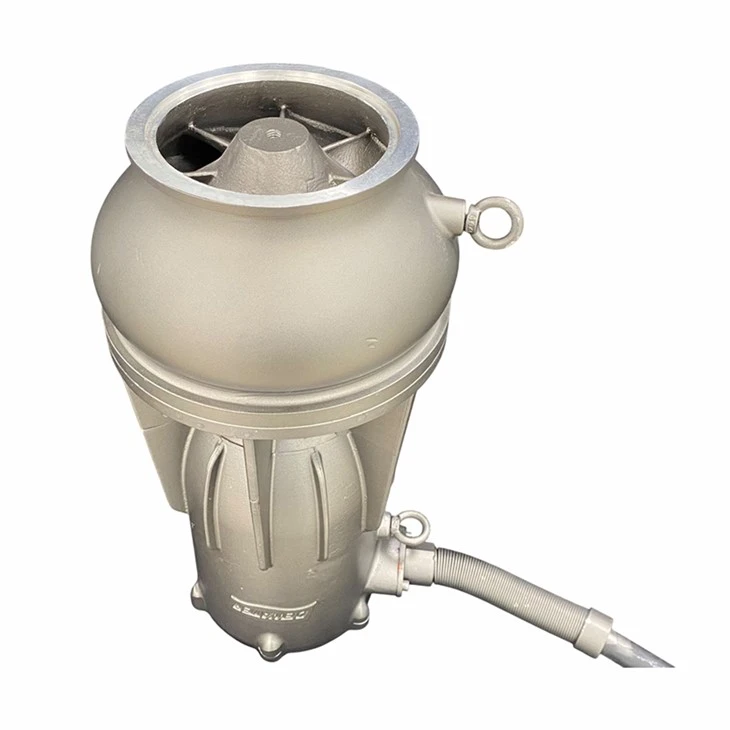
If you're in the market for a fire water supply pump, you might also be interested in some related products. Check out our Municipal Emergency Rescue Pump, which is great for handling emergencies in urban areas. We also have the Drought Emergency Water Supply Pump, perfect for providing water during dry spells. And don't forget our Mobile Water Supply Pump, which offers flexibility in water supply.

Conclusion
So, as you can see, there are many factors that affect the price of a fire water supply pump. When you're looking to buy a pump, it's important to consider your specific needs, budget, and the long - term costs. Don't just go for the cheapest option without thinking about the quality and performance.
If you're interested in purchasing a fire water supply pump or have any questions about our products, feel free to reach out. We're here to help you find the right pump for your needs.
References
- "Fire Pump Handbook" by NFPA (National Fire Protection Association)
- Industry reports on fire water supply pump manufacturing and market trends.