


As a supplier of mobile flooding pumps, I've often been asked about what factors affect the power consumption of these pumps. It's a crucial question, especially for those looking to manage costs and operate efficiently. In this blog, I'll break down the key elements that play a role in how much power a mobile flooding pump uses.
Pump Design and Efficiency
First off, the design of the pump itself has a huge impact on power consumption. A well - designed pump is like a well - tuned engine; it gets the job done with less energy. For instance, the impeller design is super important. An impeller that's properly shaped and sized can move water more effectively. If the impeller is too small for the pump's intended flow rate, the pump has to work harder, using more power to move the same amount of water. On the other hand, an oversized impeller can cause the pump to operate outside its optimal range, also leading to increased power use.
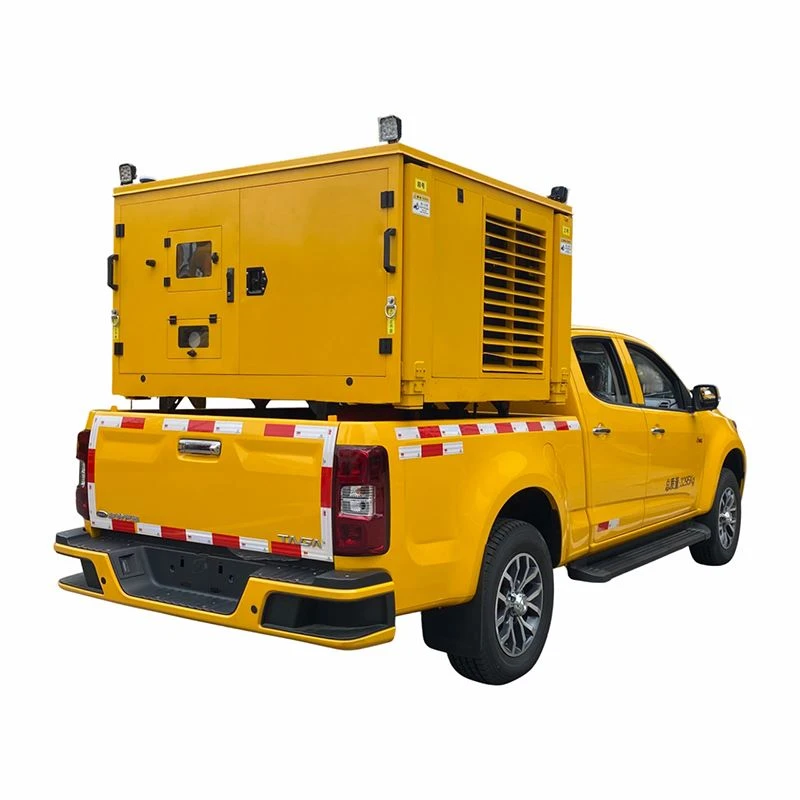
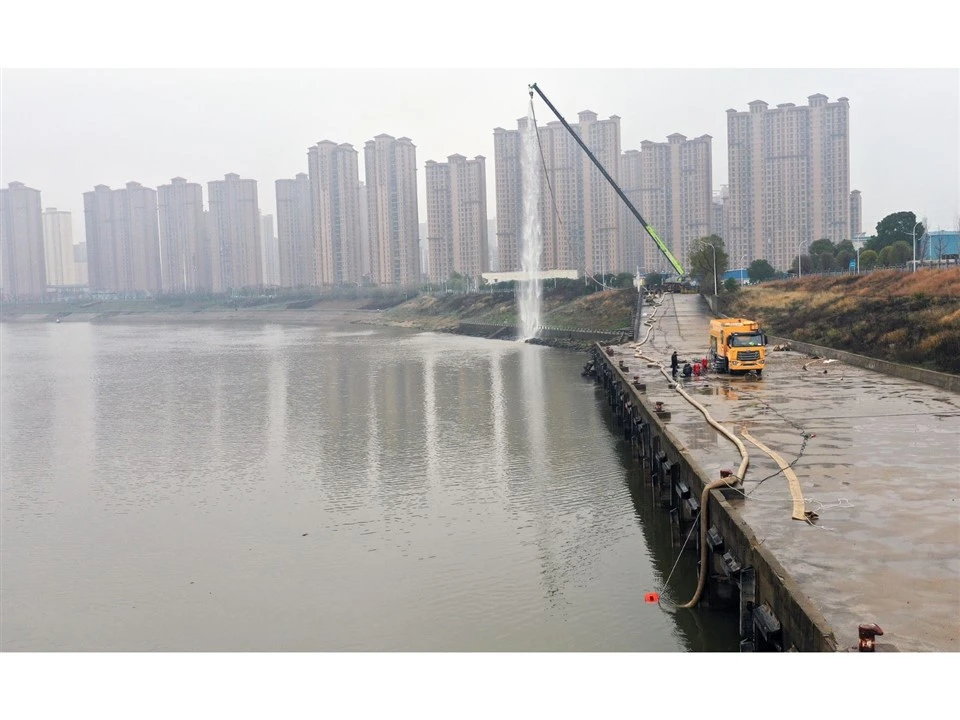
The overall efficiency rating of the pump is another factor. High - efficiency pumps are engineered to convert more of the input power into useful work, i.e., moving water. When shopping for a mobile flooding pump, it's worth looking for models with high efficiency ratings. Our Drought Relief Drainage Pump is designed with advanced impeller technology and high - efficiency components to minimize power consumption while maximizing performance.
Flow Rate and Head
The flow rate, which is the volume of water the pump moves per unit of time, and the head, which is the height the water is pumped, are two major determinants of power consumption. Generally, as the flow rate increases, the power required to move the water also goes up. If you need to pump a large amount of water quickly, the pump has to work harder, and that means more power.
Similarly, the head of the pump affects power use. Pumping water to a greater height requires more energy. Think of it like pushing a heavy object uphill; the steeper the hill (higher head), the more effort (power) you need. For example, if you're using a Fire Water Supply Pump to supply water to a high - rise building, the pump has to overcome the gravitational force to lift the water to the required height, which increases power consumption.
Water Properties
The properties of the water being pumped can't be ignored. The density of the water is a key factor. If the water contains a lot of sediment, solids, or has a high salt content, it becomes denser. A denser fluid is harder to pump, and the pump has to use more power to move it. For example, pumping seawater, which is denser than fresh water, will generally require more power than pumping fresh water.
The viscosity of the water also plays a role. Viscosity is a measure of a fluid's resistance to flow. If the water is thick or has a high viscosity, like water with a lot of oil or other viscous substances mixed in, the pump has to work harder to move it through the system, leading to increased power consumption.
Motor and Drive System
The motor that powers the pump is a critical component when it comes to power consumption. The type of motor, its size, and its efficiency all matter. A motor that's too small for the pump's requirements will run at a high load, using more power and potentially overheating. On the other hand, an oversized motor can be inefficient, as it may not operate at its optimal load.
The drive system, whether it's a direct - drive or a belt - drive system, also affects power use. A direct - drive system is generally more efficient because it has fewer moving parts and less power loss due to friction. However, belt - drive systems can offer more flexibility in terms of speed control. Our Trailer Mounted Drainage Pump is equipped with a high - efficiency motor and a well - designed drive system to ensure optimal power consumption.
Operating Conditions
The conditions under which the pump operates can have a significant impact on power consumption. For example, if the pump is operating in a hot environment, the motor may have to work harder to maintain its performance, leading to increased power use. High ambient temperatures can also reduce the efficiency of the motor and other components.
The altitude at which the pump is operating is another factor. At higher altitudes, the air density is lower, which can affect the performance of the motor. A pump that operates efficiently at sea level may use more power at high altitudes because the motor has to work harder to get the same amount of oxygen for combustion (in the case of a combustion engine - powered pump) or to cool itself.
System Resistance
The resistance in the pumping system can increase power consumption. This includes the resistance in the pipes, valves, and fittings. If the pipes are too narrow or have a lot of bends, the water flow is restricted, and the pump has to work harder to overcome the resistance. Similarly, if the valves are not fully open or are malfunctioning, they can create additional resistance, leading to higher power use.
Regular maintenance of the pumping system is essential to keep the resistance low. This includes cleaning the pipes, checking the valves, and replacing any worn - out components. By reducing system resistance, you can significantly lower the power consumption of the mobile flooding pump.
Conclusion
In conclusion, there are multiple factors that affect the power consumption of a mobile flooding pump, including pump design, flow rate, head, water properties, motor and drive system, operating conditions, and system resistance. As a supplier, we understand the importance of helping our customers choose the right pump for their specific needs and optimize its operation to minimize power consumption.
If you're in the market for a mobile flooding pump or want to learn more about how to reduce power consumption in your pumping system, we're here to help. Contact us to discuss your requirements, and we'll work with you to find the best solution for your situation.
References
- "Pump Handbook" by Igor J. Karassik et al.
- "Fluid Mechanics and Machinery" by S. K. Som and G. Biswas.