


Hey there! As a supplier of Mobile Flooding Pumps, I've had my fair share of experiences in the industrial scene. I'm here to break down the specific requirements for using these pumps in industrial settings.
1. Power Source and Energy Efficiency
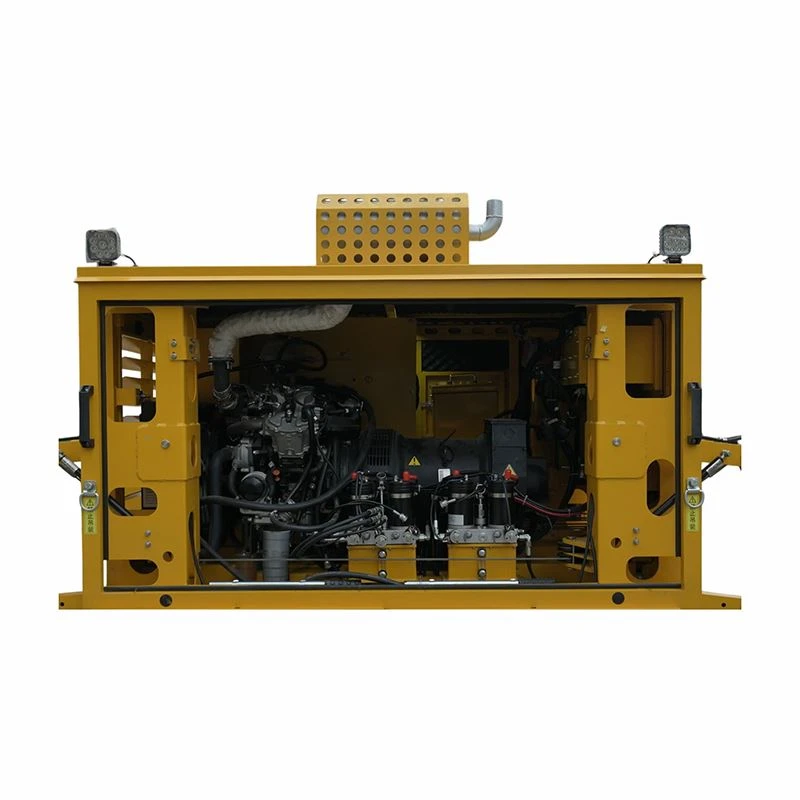
First off, let's talk about the power source. In industrial settings, you've got different options, like diesel, electric, or even hybrid power for mobile flooding pumps. Diesel pumps are a popular choice because they're super reliable and can work in remote areas where there's no access to electricity. They can run for long hours without a hitch, which is crucial during extended flooding situations. For instance, if you're dealing with a large - scale industrial site that's been flooded and there's no power grid nearby, a diesel - powered Portable Mobile Drainage Pump is going to be your best bet.
But here's the thing, energy efficiency matters big time. Industrial operations are all about cost - effectiveness. A pump that guzzles fuel or electricity is going to end up costing a fortune in the long run. So, when choosing a mobile flooding pump, look for models that have high - efficiency motors and advanced control systems. These can adjust the pump's speed and power consumption based on the actual water flow and pressure requirements. This way, you're not wasting energy when you don't need to.

2. Pump Capacity and Flow Rate
The capacity and flow rate of the pump are key factors. Industrial floods can vary in scale, from a small leak in a basement to a massive inundation of an entire factory floor. You need to know the volume of water you're dealing with to select the right pump.
The flow rate is measured in gallons per minute (GPM) or cubic meters per hour (m³/h). For a small industrial space, a pump with a flow rate of around 100 - 200 GPM might be sufficient. But for larger areas, like warehouses or industrial complexes, you'll need pumps with much higher flow rates, perhaps 500 GPM or more.
Our Dam Lake Drainage Emergency Pump is designed for high - volume water removal. It can handle large - scale floods, like those in dam areas or large industrial lakes. It has a high flow rate and can quickly drain large amounts of water, reducing the downtime of your industrial operations.
3. Head and Pressure Requirements
Head refers to the height that the pump can lift water. In an industrial setting, you might need to pump water up to a certain height, like into a drainage system or a storage tank. The head is usually measured in feet or meters.
The pressure requirements are related to the head. The higher the head, the more pressure the pump needs to generate to move the water. When choosing a mobile flooding pump, you need to consider the vertical distance the water has to travel. If you're pumping water up several stories in a building, you'll need a pump with a high head and pressure capacity.
For example, if you're dealing with a multi - level industrial building and you need to pump water from the basement to the rooftop storage tank, a pump with a high - pressure rating is essential. Our pumps are designed to handle different head and pressure requirements, ensuring that they can meet the diverse needs of industrial applications.
4. Durability and Resistance
Industrial environments can be tough on equipment. Mobile flooding pumps need to be durable enough to withstand harsh conditions. They should be resistant to corrosion, abrasion, and impact.
Corrosion is a big problem, especially if the water being pumped contains chemicals or salts. Pumps made from materials like stainless steel or corrosion - resistant plastics are a good choice. These materials can prevent rust and degradation over time.
Abrasion can occur when the water contains sediment or debris. Pumps with hardened impellers and wear - resistant casings can handle this kind of situation. They won't get damaged easily, even when pumping dirty water.
Impact resistance is also important. In an industrial setting, there's always a risk of the pump being bumped or knocked around. A well - built pump with a sturdy frame can withstand these impacts without getting damaged.
5. Mobility and Ease of Installation
As the name suggests, mobile flooding pumps need to be easy to move around. In an industrial site, you might need to relocate the pump to different areas depending on where the flooding is occurring.
The pump should be lightweight and have features like wheels or handles for easy transportation. Some pumps are even designed to be mounted on trucks, like our Diesel Drainage Pump Truck. This allows for quick deployment to different locations within the industrial complex.
Ease of installation is another crucial factor. You don't want to spend hours setting up the pump when there's a flood emergency. Look for pumps that come with simple installation instructions and require minimal tools for assembly. Some pumps can be installed in just a few minutes, which is a huge advantage during an emergency.
6. Safety Features
Safety is non - negotiable in industrial settings. Mobile flooding pumps should have a range of safety features. For example, they should have overload protection to prevent the motor from burning out if there's a sudden increase in load.
They should also have automatic shut - off mechanisms. If the water level drops too low or if there's a problem with the pump's operation, it should shut off automatically to prevent damage.
Electrical pumps should have proper grounding and insulation to prevent electrical shocks. Diesel pumps should have proper ventilation to avoid the buildup of harmful fumes.
7. Maintenance Requirements
Regular maintenance is essential to keep the mobile flooding pump in good working condition. Industrial operations can't afford long - term equipment breakdowns.
The pump should be easy to maintain. It should have accessible parts for inspection and replacement. Filters should be easy to clean or replace to prevent clogging.
Some pumps come with self - diagnostic systems that can detect problems early. These systems can send alerts to the operators, allowing them to take preventive measures before a major breakdown occurs.
8. Compliance with Standards
Mobile flooding pumps used in industrial settings need to comply with relevant safety and performance standards. These standards ensure that the pumps are safe to use and meet the required quality levels.
For example, in the United States, pumps need to meet standards set by organizations like the National Fire Protection Association (NFPA) and the Occupational Safety and Health Administration (OSHA). In other countries, there are similar standards.
When choosing a pump, make sure it has the necessary certifications. This gives you peace of mind knowing that the pump has been tested and meets the required safety and performance criteria.
Contact for Purchase
If you're in the market for a high - quality mobile flooding pump for your industrial needs, I'd love to have a chat with you. We've got a wide range of pumps that can meet all the requirements I've mentioned above. Whether you need a small, portable pump or a large - scale industrial - grade unit, we've got you covered. Reach out to us to start the purchasing process and find the perfect pump for your specific situation.
References
- Industrial Pump Handbook, Second Edition. McGraw - Hill Professional.
- Standards and Guidelines for Industrial Equipment Safety. National Fire Protection Association.
- Pump Selection and Application Guide. American Society of Mechanical Engineers.