


Hey there! As a supplier of Mobile Drainage Pumps, I've seen my fair share of issues with these handy machines. One of the most common problems that can pop up is a clogged pump. A clogged mobile drainage pump can be a real headache, but if you know the signs to look out for, you can catch the problem early and avoid some major hassles. So, let's dive into the signs that your mobile drainage pump might be clogged.
1. Reduced Flow Rate
One of the first things you'll notice if your pump is clogged is a reduced flow rate. When everything's working fine, your pump should be able to move water at a pretty steady pace. But if there's a blockage, the water can't flow through as easily. You might see that the water level in the area you're trying to drain isn't going down as quickly as it used to. It could be a slow and steady decline instead of a rapid drop.
For example, if you're using an Underground Garage Drainage Pump to clear out water from your garage after a heavy rain, and you usually see the water level dropping significantly within 10 minutes, but now it's barely changed after 20 minutes, that's a red flag. The reduced flow rate is a clear indication that something's blocking the water from getting through the pump efficiently.
2. Unusual Noises
Another tell - tale sign of a clogged pump is strange noises. Normally, your mobile drainage pump should run smoothly and quietly. But when there's a blockage, it can cause all sorts of weird sounds. You might hear grinding, rattling, or a high - pitched screeching noise.
The grinding sound could be due to debris getting caught in the impeller, which is the part of the pump that moves the water. When the impeller tries to spin with something stuck in it, it creates that rough, grinding noise. Rattling might indicate that there's a loose object inside the pump housing, perhaps a piece of gravel or a small toy that got sucked in. And the high - pitched screeching could be the pump motor working extra hard because it's struggling to push water through the blockage.
If you're using an Urban Waterlogging Drainage Pump in a flooded street and you start hearing these odd noises, it's time to turn off the pump and check for clogs. Continuing to run the pump with these noises can cause more damage to the pump over time.
3. Overheating
A clogged pump has to work a lot harder to move water. This extra effort can cause the pump to overheat. You might notice that the pump housing feels hot to the touch. In some cases, the pump might even have a built - in thermal protection switch that shuts it off automatically when it gets too hot.
Overheating is a serious issue because it can damage the pump's motor and other internal components. If you're using a Rainstorm Emergency Drainage Equipment during a heavy storm and you notice that the pump is getting unusually hot, it's likely clogged. You should stop using the pump immediately to prevent further damage.
4. Frequent Cycling
If your mobile drainage pump is cycling on and off more frequently than normal, it could be a sign of a clog. The pump is designed to turn on when the water level reaches a certain point and turn off when the water is drained. But when it's clogged, the water doesn't drain properly, so the water level doesn't drop as it should. As a result, the pump keeps turning on and off as it tries to reach the set water level.
For instance, if your pump usually runs for 5 minutes and then turns off for 10 minutes, but now it's turning on and off every 2 minutes, it's trying to do its job but can't because of the blockage. This frequent cycling not only wears out the pump faster but also consumes more energy.
5. Pump Vibration
Excessive vibration is another sign of a clogged pump. A well - functioning pump should have minimal vibration. But when there's a blockage, it can cause the pump to become unbalanced. The uneven flow of water through the pump can make it shake and vibrate more than usual.
You can easily feel this vibration if you place your hand on the pump housing. If it's vibrating so much that it's difficult to keep your hand steady on it, there's definitely a problem. This vibration can also cause damage to the pump's mounting and other parts over time, so it's important to address the clog as soon as possible.
6. Water Leakage
A clogged pump can sometimes lead to water leakage. When the water can't flow through the pump properly, it might start to back up and find other ways out. You might notice water seeping from around the pump housing or from the connections between the pump and the pipes.
This water leakage not only makes a mess but can also cause damage to the surrounding area. For example, if you're using a mobile drainage pump in a basement, the leaked water could damage the flooring or electrical systems. So, if you see water leaking from your pump, check for a clog right away.
What to Do If You Suspect a Clog
If you notice any of these signs, the first thing you should do is turn off the pump. Continuing to run a clogged pump can cause serious damage to the motor and other components. Then, you can try to locate the blockage. Most mobile drainage pumps have an access panel that you can remove to check inside the pump housing. Use a pair of pliers or a small tool to carefully remove any debris that you find.
If you're not comfortable doing this yourself, it's best to call a professional. They have the tools and expertise to safely and effectively clear the clog.
Why Choose Our Mobile Drainage Pumps
As a supplier of Mobile Drainage Pumps, we take pride in offering high - quality products. Our pumps are designed to be durable and efficient, but like any mechanical device, they can get clogged from time to time. However, we provide detailed user manuals that can help you troubleshoot common issues like clogs.
We also offer a wide range of pumps for different applications, whether you need an Underground Garage Drainage Pump, an Urban Waterlogging Drainage Pump, or Rainstorm Emergency Drainage Equipment. Our pumps are built with advanced technology to minimize the risk of clogs, but in case you do encounter a problem, our customer support team is always ready to assist you.

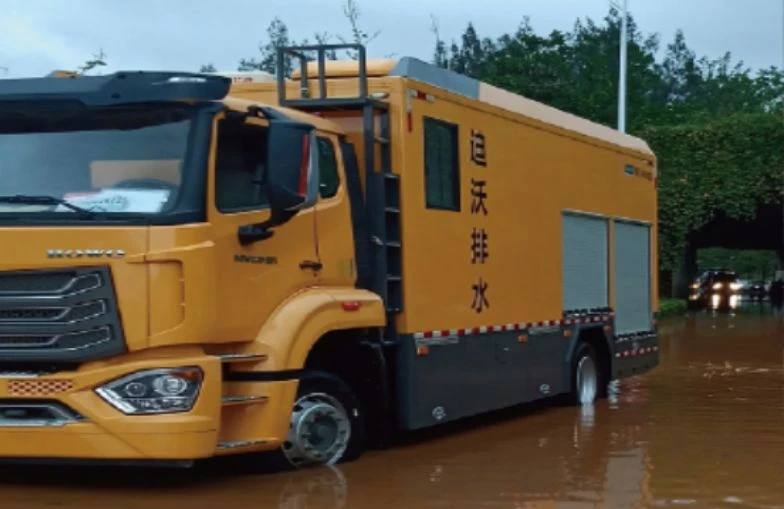
If you're in the market for a new mobile drainage pump or need to replace an old one, don't hesitate to get in touch with us. We can help you choose the right pump for your specific needs and provide you with all the information you need about installation, maintenance, and troubleshooting. Contact us today to start a discussion about your drainage pump requirements and let's find the perfect solution for you.
References
- "Pump Maintenance Handbook" - A comprehensive guide on pump maintenance and troubleshooting.
- Manufacturer's manuals for mobile drainage pumps, which provide detailed information on normal operation and signs of problems.