


Hey there! As a supplier of Mobile Flooding Pumps, I've got a ton of experience and knowledge about what it takes to use these pumps on ships. In this blog, I'll break down the requirements for using a mobile flooding pump on ships, so you'll have a clear idea of what to expect.
1. Regulatory Compliance
First off, regulatory compliance is a must - have. When it comes to using mobile flooding pumps on ships, there are a bunch of international and national regulations that you need to follow. For example, the International Maritime Organization (IMO) sets standards for safety and environmental protection on ships. Your mobile flooding pump has to meet these standards to ensure that it can be used legally and safely on the high seas.
Some of the key regulations cover things like the pump's construction materials, its performance under different conditions, and how it affects the ship's stability. You can't just slap any old pump on a ship; it has to be built to last and operate within the boundaries set by the maritime authorities. If you don't comply, you could face some serious fines and even have your ship taken out of service.
2. Pump Capacity and Performance
The capacity and performance of the mobile flooding pump are super important. You need to choose a pump that can handle the volume of water you might encounter on a ship. This depends on the size of the ship, the type of cargo it carries, and the areas where flooding might occur.
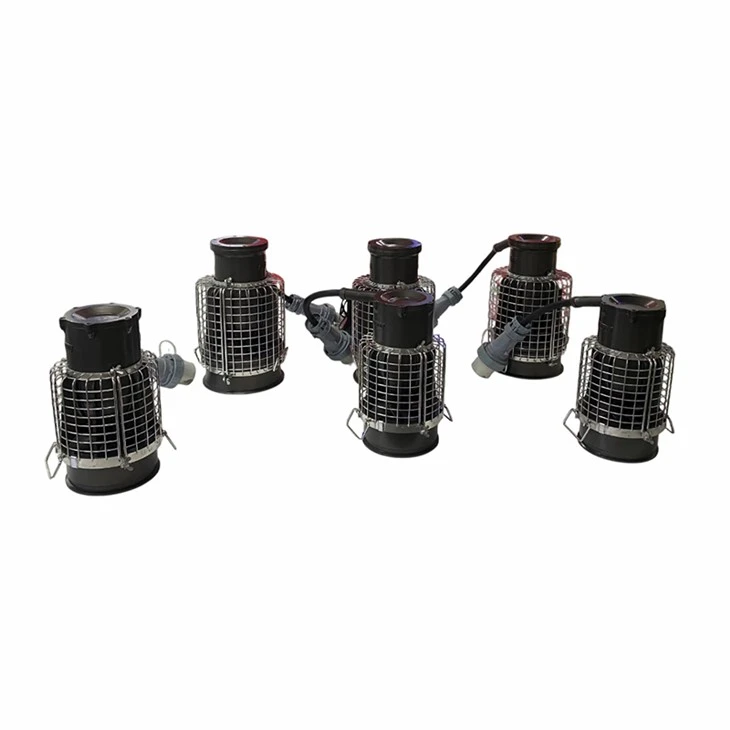

For smaller ships, a pump with a lower flow rate might be sufficient. But for larger vessels, especially those that transport liquids or operate in areas prone to heavy storms, you'll need a high - capacity pump. The pump should also be able to generate enough pressure to move the water out of the ship quickly.
When considering the pump's performance, you should look at its suction and discharge capabilities. A good mobile flooding pump should have a strong suction to draw water from flooded areas and a powerful discharge to expel it overboard. You can check out our Mobile Dewatering Pump which is designed to offer excellent capacity and performance for various ship - related applications.
3. Compatibility with Ship Systems
Your mobile flooding pump needs to be compatible with the ship's existing systems. This includes the electrical system, if the pump is electrically powered, or the fuel system, if it's a diesel - powered pump.
If the pump is electric, it has to be able to connect to the ship's power supply without causing any electrical issues. The voltage and amperage requirements of the pump should match what the ship can provide. On the other hand, if it's a diesel - powered pump, it needs to be able to use the same type of fuel as the ship's main engines and have a proper fuel storage and delivery system.
Also, the pump should be able to integrate with the ship's control systems. This allows the crew to monitor and operate the pump easily, ensuring that it can be used effectively in an emergency. Our Flood - fighting and Rescue Mobile Pump is designed to be highly compatible with different ship systems, making it a great choice for ship operators.
4. Ease of Installation and Mobility
Since it's a mobile flooding pump, it should be easy to install and move around on the ship. The installation process should not be too complicated, so that the crew can set it up quickly in case of an emergency.
The pump should come with clear installation instructions and all the necessary mounting hardware. It should also be lightweight enough to be carried and positioned in different parts of the ship. Mobility is crucial because flooding can occur in various areas, such as the engine room, cargo holds, or deck areas.
Our pumps are designed with portability in mind. They are compact and easy to handle, allowing the crew to move them to the exact location where they are needed most.
5. Maintenance and Serviceability
Regular maintenance is essential to keep the mobile flooding pump in good working condition. You need to have a maintenance schedule in place and ensure that the crew knows how to perform basic maintenance tasks, such as checking the oil levels, cleaning the filters, and inspecting the hoses.
The pump should also be serviceable. This means that it should be easy to access the internal components for repairs and replacements. If a part breaks down, it should be readily available and easy to install.
We offer comprehensive maintenance guides and support for our pumps. And with our Diesel Flood Control Pump, you can be sure that it's built to last and is easy to service.
6. Training for the Crew
The crew on the ship needs to be properly trained to use the mobile flooding pump. They should know how to start and stop the pump, how to adjust its settings, and how to troubleshoot common problems.
Training can be provided by the pump manufacturer or through specialized maritime training courses. It's important that the crew understands the importance of the pump in case of a flooding emergency and knows how to use it effectively to protect the ship and its cargo.
7. Emergency Preparedness
Finally, you need to have an emergency preparedness plan in place. This plan should include procedures for using the mobile flooding pump in case of a flood. It should also specify who is responsible for operating the pump, how to communicate during the emergency, and what to do if the pump fails.
Regular drills should be conducted to ensure that the crew is familiar with the emergency procedures. This helps to reduce panic and increase the chances of a successful response in a real - life situation.
In conclusion, using a mobile flooding pump on ships requires careful consideration of regulatory compliance, pump capacity, compatibility, ease of installation, maintenance, crew training, and emergency preparedness. As a supplier, we are committed to providing high - quality pumps that meet all these requirements. If you're in the market for a reliable mobile flooding pump for your ship, don't hesitate to reach out to us for more information and to discuss your specific needs. We're here to help you make the right choice and ensure the safety and efficiency of your ship.
References
- International Maritime Organization (IMO) regulations
- Maritime safety and environmental protection guidelines
- Manufacturer's manuals for mobile flooding pumps