


Fire safety in residential buildings is a critical aspect of ensuring the well - being of occupants. Fire water supply pumps play a pivotal role in providing the necessary water pressure and volume to suppress fires effectively. As a fire water supply pump supplier, I am well - versed in the regulations governing these essential devices in residential buildings.
National and Local Building Codes
In most countries, national building codes set the baseline for fire safety requirements in residential buildings. These codes are regularly updated to incorporate the latest research and best practices in fire protection. For example, in the United States, the National Fire Protection Association (NFPA) publishes the NFPA 13, which specifically addresses the installation of sprinkler systems, including the requirements for fire water supply pumps.
Local building authorities may also enforce additional regulations that are tailored to the specific risks and conditions of the area. These local codes can sometimes be more stringent than the national standards. It is crucial for building owners, architects, and contractors to be aware of both national and local requirements during the design and construction phases of a residential building.
Pump Capacity and Performance Requirements
The capacity of a fire water supply pump is determined by the size and type of the residential building, as well as the potential fire load. Larger buildings with more floors and a higher occupancy rate will generally require pumps with greater flow rates and higher pressure capabilities.
Flow rate is measured in gallons per minute (GPM) or liters per second (L/s). For small - to medium - sized residential buildings, a pump with a flow rate of 250 - 500 GPM may be sufficient. However, for high - rise apartment buildings or large single - family homes, pumps with flow rates of 1000 GPM or more may be necessary.
Pressure is another critical factor. The pump must be able to provide enough pressure to ensure that water reaches all parts of the sprinkler system or fire hydrants at an effective rate. The pressure requirements are typically specified in pounds per square inch (PSI) or kilopascals (kPa). A common pressure requirement for residential fire protection systems is around 60 - 100 PSI at the highest sprinkler head or hydrant.
Installation and Location
Proper installation of fire water supply pumps is essential for their reliable operation. The pumps should be installed in a dedicated pump room that is easily accessible for maintenance and inspection. The pump room should be well - ventilated to prevent overheating and should be protected from flooding, freezing, and other environmental hazards.
The location of the pump in relation to the water source is also important. The pump should be as close as possible to the water supply, such as a storage tank or a municipal water main, to minimize friction losses in the suction piping. The suction piping should be large enough to ensure an adequate supply of water to the pump without causing cavitation, which can damage the pump.
Power Supply and Backup
Fire water supply pumps must have a reliable power supply. In most cases, the pumps are connected to the building's electrical system. However, to ensure continuous operation during a power outage, backup power sources are required.
Generator sets are a common form of backup power for fire water supply pumps. The generator should be sized to provide enough power to run the pump at its full capacity. It should also be regularly tested and maintained to ensure its reliability. Some codes may also require an additional battery - powered backup system for smaller pumps or as a secondary backup for larger systems.
Maintenance and Testing
Regular maintenance and testing of fire water supply pumps are crucial to ensure their proper functioning when needed. Maintenance tasks include inspecting the pump for leaks, checking the lubrication levels, and testing the electrical components.
Testing should be conducted at regular intervals, as specified by the relevant codes. This may include flow and pressure tests to verify that the pump is operating within the required parameters. The results of these tests should be documented and kept on file for future reference.
Our Product Offerings
As a fire water supply pump supplier, we offer a wide range of pumps to meet the diverse needs of residential buildings. Our pumps are designed and manufactured to comply with all relevant national and local regulations.
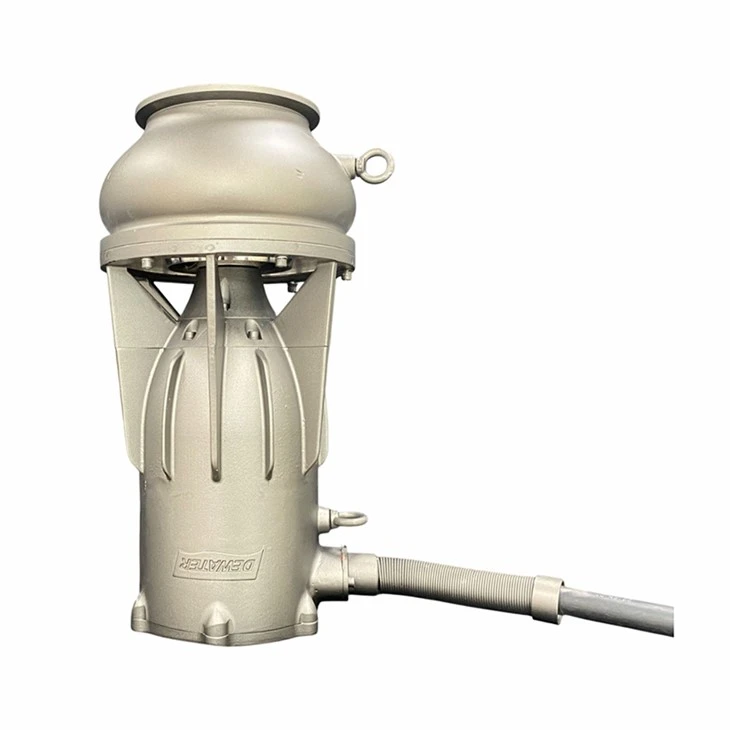
We have the BQS400 - 300 Mining Explosion - Proof Submersible Drainage Pump, which is not only suitable for mining applications but can also be used in certain residential settings where explosion - proof requirements are necessary. This pump offers high - performance and reliable operation, even in challenging environments.
Our Uninterrupted Emergency Drainage Pump is designed to provide continuous water supply during emergencies. It has a robust construction and advanced control systems to ensure reliable performance when it matters most.
For more flexibility, we also offer the Mobile Water Supply Pump. This pump can be easily transported and installed, making it a great option for temporary or mobile fire protection needs in residential construction sites or special events.

Contact Us for Procurement
If you are involved in the construction, renovation, or maintenance of a residential building and are in need of a fire water supply pump, we are here to help. Our team of experts can assist you in selecting the right pump for your specific requirements and ensure that it complies with all relevant regulations.
We understand the importance of fire safety in residential buildings and are committed to providing high - quality products and excellent customer service. Contact us today to start the procurement process and ensure the safety of your residential property.
References
- National Fire Protection Association (NFPA). NFPA 13: Standard for the Installation of Sprinkler Systems.
- Local building codes and regulations of various jurisdictions.
- Manufacturer's product manuals and technical specifications for fire water supply pumps.