


Hey there! As a supplier of Mobile Pump Stations, I often get asked about the power sources that keep these bad boys running. Today, I'm gonna break down the different power sources for a Mobile Pump Station and give you the lowdown on each one.
Diesel Engines
Diesel engines are one of the most common power sources for Mobile Pump Stations. And for good reason! They're reliable, powerful, and can operate in a wide range of conditions. Diesel engines are known for their high torque, which means they can handle heavy loads and pump large volumes of water quickly.
One of the biggest advantages of diesel engines is their fuel efficiency. Diesel fuel has a higher energy density than gasoline, which means you can get more power out of a smaller amount of fuel. This is especially important for Mobile Pump Stations, which often need to operate for long periods of time without refueling.
Another benefit of diesel engines is their durability. They're built to last and can withstand the rigors of heavy use. Diesel engines also require less maintenance than gasoline engines, which can save you time and money in the long run.
However, diesel engines do have some drawbacks. They can be noisy and produce emissions, which can be a concern in certain environments. Diesel fuel is also more expensive than gasoline, which can increase the operating costs of your Mobile Pump Station.
Electric Motors
Electric motors are another popular power source for Mobile Pump Stations. They're clean, quiet, and efficient, making them a great choice for indoor or noise-sensitive applications. Electric motors are also easy to operate and require less maintenance than diesel engines.
One of the biggest advantages of electric motors is their energy efficiency. They convert a higher percentage of electrical energy into mechanical energy than diesel engines, which means you can save money on your energy bills. Electric motors also produce zero emissions, which makes them a more environmentally friendly option.
Another benefit of electric motors is their reliability. They have fewer moving parts than diesel engines, which means there's less that can go wrong. Electric motors also start up quickly and can be controlled more precisely than diesel engines.
However, electric motors do have some limitations. They require a reliable source of electricity, which can be a challenge in remote or off-grid locations. Electric motors also have a lower power output than diesel engines, which means they may not be suitable for applications that require high volumes of water to be pumped.
Gasoline Engines
Gasoline engines are less common than diesel engines and electric motors, but they can still be a viable option for Mobile Pump Stations. They're lightweight, easy to start, and can be used in a variety of applications. Gasoline engines are also less expensive than diesel engines, which can make them a more affordable option for some customers.
One of the biggest advantages of gasoline engines is their portability. They're lightweight and easy to transport, which makes them a great choice for applications that require a Mobile Pump Station to be moved frequently. Gasoline engines also start up quickly and can be used in cold weather conditions.
Another benefit of gasoline engines is their availability. Gasoline is widely available, which means you can easily find fuel for your Mobile Pump Station. Gasoline engines also require less maintenance than diesel engines, which can save you time and money.
However, gasoline engines do have some drawbacks. They're less fuel-efficient than diesel engines, which means you'll need to refuel more often. Gasoline engines also produce more emissions than electric motors, which can be a concern in certain environments.
Hydraulic Power
Hydraulic power is a less common power source for Mobile Pump Stations, but it can be a great option for applications that require high pressure and high flow rates. Hydraulic power systems use a hydraulic pump to generate pressure, which is then used to drive the pump.
One of the biggest advantages of hydraulic power is its ability to generate high pressure. Hydraulic pumps can generate pressures of up to 10,000 psi, which makes them suitable for applications that require high-pressure water to be pumped. Hydraulic power systems are also very efficient and can transfer power over long distances.
Another benefit of hydraulic power is its reliability. Hydraulic systems have fewer moving parts than diesel engines and electric motors, which means there's less that can go wrong. Hydraulic power systems also require less maintenance than diesel engines, which can save you time and money.
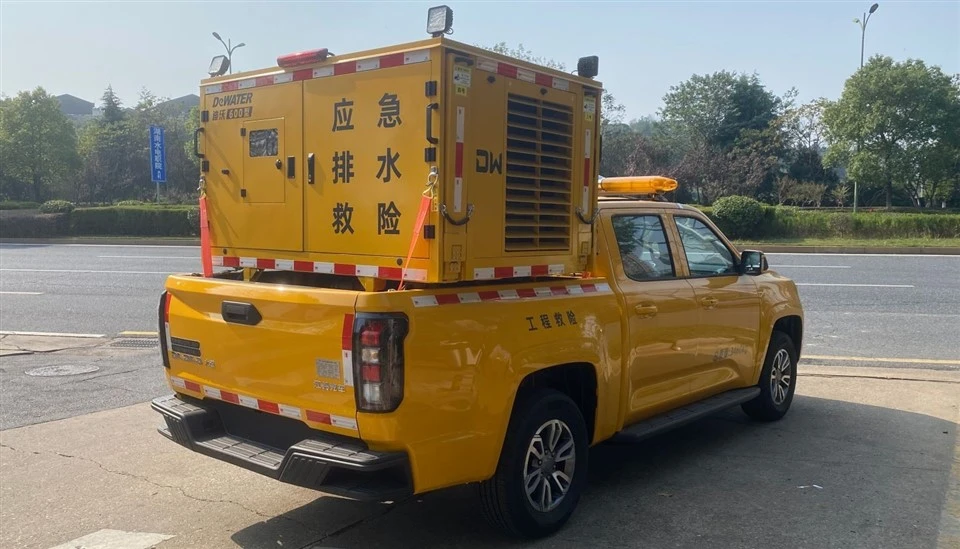

However, hydraulic power systems do have some limitations. They're more complex and expensive than other power sources, which can make them a less affordable option for some customers. Hydraulic power systems also require a hydraulic fluid, which can be a concern in certain environments.
Choosing the Right Power Source
So, which power source is right for your Mobile Pump Station? The answer depends on a variety of factors, including the application, the environment, and your budget.
If you need a Mobile Pump Station that can operate in remote or off-grid locations, a diesel engine or gasoline engine may be the best option. These engines can run on fuel, which means you don't need a reliable source of electricity.
If you need a Mobile Pump Station that's clean, quiet, and efficient, an electric motor may be the best option. Electric motors are a great choice for indoor or noise-sensitive applications.
If you need a Mobile Pump Station that can generate high pressure and high flow rates, a hydraulic power system may be the best option. Hydraulic power systems are suitable for applications that require high-pressure water to be pumped.
Ultimately, the best way to choose the right power source for your Mobile Pump Station is to consult with a professional. As a supplier of Mobile Pump Station, I have the expertise and experience to help you choose the right power source for your specific needs.
Conclusion
In conclusion, there are several power sources available for Mobile Pump Stations, each with its own advantages and disadvantages. Diesel engines are reliable and powerful, electric motors are clean and efficient, gasoline engines are lightweight and portable, and hydraulic power systems can generate high pressure and high flow rates.
When choosing a power source for your Mobile Pump Station, it's important to consider the application, the environment, and your budget. By working with a professional supplier, you can ensure that you choose the right power source for your specific needs.
If you're interested in learning more about Mobile Pump Stations or need help choosing the right power source for your application, please don't hesitate to contact me. I'd be happy to answer any questions you may have and help you find the perfect solution for your needs.
References
- "Diesel Engines 101." Diesel Technology Forum. Accessed August 15, 2023.
- "Electric Motors: How They Work and Why They're Important." Energy.gov. Accessed August 15, 2023.
- "Gasoline Engines: The Basics." HowStuffWorks. Accessed August 15, 2023.
- "Hydraulic Power Systems: An Introduction." Hydraulics & Pneumatics. Accessed August 15, 2023.