


Hey there! As a supplier of Emergency Dewatering Pumps, I've seen firsthand how these machines are lifesavers during emergencies. Whether it's a flood, a burst pipe, or a natural disaster, having a reliable dewatering pump can make all the difference. In this blog, I'm gonna break down the different parts of an Emergency Dewatering Pump, so you can understand how they work and why they're so important.

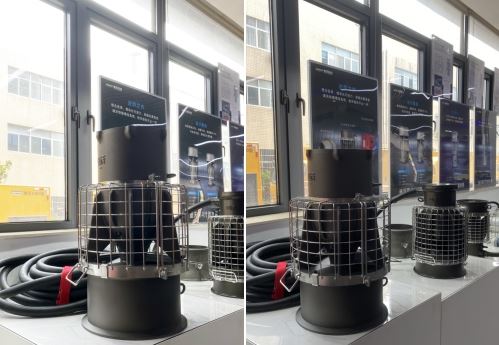
The Pump Body
The pump body is the main housing of the dewatering pump. It's usually made of durable materials like cast iron or stainless steel to withstand the harsh conditions it might face during an emergency. This part holds all the other components together and provides a sealed environment for the water to flow through. The design of the pump body is crucial as it determines the efficiency and the overall performance of the pump.
Impeller
The impeller is like the heart of the dewatering pump. It's a rotating component with vanes that spin at high speeds. When the impeller rotates, it creates a centrifugal force that sucks water into the pump and then pushes it out through the discharge outlet. The shape and size of the impeller can vary depending on the specific requirements of the pump, such as the flow rate and the head (the height the water needs to be pumped). A well - designed impeller can significantly improve the pump's efficiency and its ability to handle different types of water, including those with solids.
Motor
The motor is what powers the impeller. There are different types of motors used in Emergency Dewatering Pumps, such as electric motors and diesel engines. Electric motors are often used in areas where a reliable power source is available. They're relatively quiet, easy to maintain, and energy - efficient. On the other hand, diesel engines are more suitable for remote locations or situations where there's no access to electricity. They're powerful and can run for long periods without refueling, making them ideal for emergency situations.
Suction and Discharge Ports
The suction port is where the water enters the pump. It's usually located at the bottom of the pump body and is designed to prevent debris from entering the pump. Some pumps have a strainer or a filter at the suction port to catch larger particles and protect the impeller from damage. The discharge port, on the other hand, is where the water exits the pump. It's connected to a hose or a pipe that directs the water to the desired location, such as a drainage ditch or a storage tank.
Control Panel
The control panel is the brain of the dewatering pump. It allows the operator to start, stop, and monitor the pump's operation. The control panel typically includes switches, gauges, and indicators that show the pump's status, such as the motor's temperature, the pressure in the system, and the flow rate. Some advanced control panels also have features like automatic shutdown in case of a malfunction or an overload, which helps to protect the pump and prevent damage.
Base Plate
The base plate provides a stable foundation for the pump. It's usually made of heavy - duty metal and is designed to absorb vibrations and prevent the pump from moving during operation. A good base plate also helps to protect the pump from damage caused by uneven surfaces or rough handling.
Seal
Seals are used to prevent water from leaking out of the pump. There are different types of seals, such as mechanical seals and gland packing. Mechanical seals are more efficient and reliable, as they provide a better seal and require less maintenance. They're often used in high - performance dewatering pumps. Gland packing, on the other hand, is a more traditional type of seal that consists of a packing material that's compressed around the shaft to prevent leakage.
Cooling System
In some dewatering pumps, especially those with diesel engines, a cooling system is required to prevent the motor from overheating. The cooling system can be either air - cooled or water - cooled. Air - cooled systems use a fan to blow air over the engine to dissipate heat, while water - cooled systems use a radiator and a water pump to circulate coolant around the engine.
Now that you know the different parts of an Emergency Dewatering Pump, you can see how each component plays a vital role in the pump's operation. At our company, we offer a wide range of high - quality dewatering pumps to meet your emergency needs. Whether you're looking for a Mobile Flooding Control Pump, a Typhoon Emergency Drainage Pump, or a Mobile Drain Pump Truck for Flood Control, we've got you covered.
If you're in the market for an Emergency Dewatering Pump, don't hesitate to reach out. We can help you choose the right pump for your specific requirements and provide you with all the support you need. Whether it's installation, maintenance, or troubleshooting, our team of experts is here to assist you. Contact us today to start the procurement process and ensure you're prepared for any emergency situation.
References
- "Pump Handbook" by Igor Karassik et al.
- "Centrifugal Pumps: Design and Application" by James Paulson.