


Hey there! As a supplier of mobile pump stations, I've been deeply involved in the design and optimization of these nifty pieces of equipment. Mobile pump stations are super handy in various scenarios, from firefighting to disaster - site drainage. In this blog, I'm gonna share some of the optimization methods for mobile pump station design.
1. Performance Optimization
The first thing we need to focus on is the performance of the mobile pump station. After all, if it can't do its job effectively, it's not worth much.
Flow and Head
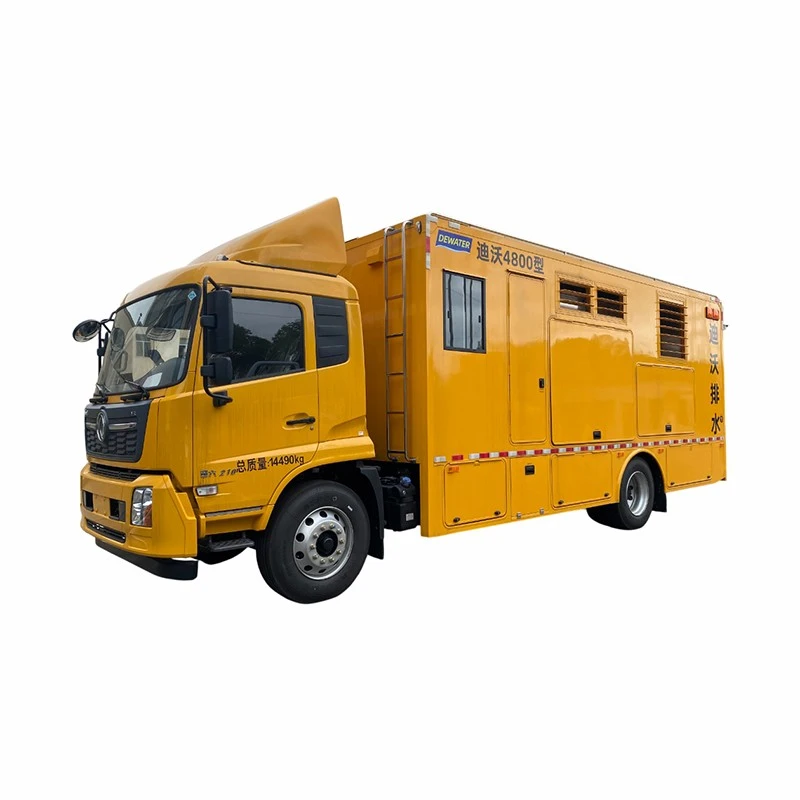
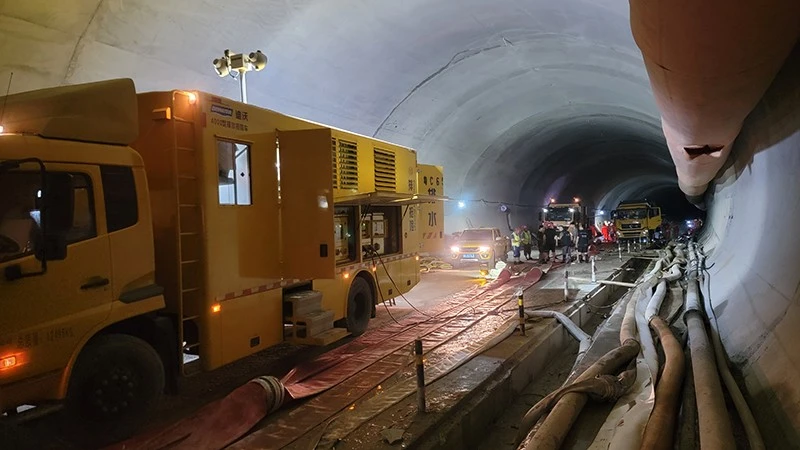
The flow rate and head are two crucial factors. We need to accurately calculate the required flow rate based on the specific application. For example, in a Mobile Fire Water Supply Pump Trailer, a high flow rate is essential to quickly deliver a large volume of water to the fire - fighting site. On the other hand, when dealing with Drainage Pump Vehicles in Disaster Sites, we also need to consider the head, which is the height the water needs to be lifted.
To optimize these, we use advanced computational fluid dynamics (CFD) simulations. These simulations help us analyze the flow patterns inside the pump and make adjustments to the impeller design, volute shape, and other components. By fine - tuning these elements, we can increase the pump's efficiency and achieve the desired flow and head.
Power Efficiency
Another aspect of performance optimization is power efficiency. Mobile pump stations are often powered by engines, and we want to make sure they use fuel as efficiently as possible. We select high - efficiency engines and pair them with pumps that are well - matched in terms of power requirements. Also, we use variable - speed drives (VSDs) in some of our designs. VSDs allow the pump to adjust its speed according to the actual demand, which can significantly reduce energy consumption.
2. Structural Design Optimization
The structure of a mobile pump station is also very important. It needs to be sturdy enough to withstand the rigors of transportation and operation, while also being lightweight for easy mobility.
Material Selection
We carefully choose the materials for different parts of the pump station. For the frame, we often use high - strength steel alloys. These alloys provide excellent strength while keeping the weight relatively low. For the pump housing, we might use corrosion - resistant materials like stainless steel or fiberglass - reinforced plastic (FRP). This not only extends the lifespan of the pump but also reduces maintenance requirements.
Compact Design
A compact design is crucial for mobile pump stations. We aim to minimize the overall size and footprint of the pump station without sacrificing its performance. By using modular design concepts, we can arrange the components in a more space - efficient way. For example, we can integrate the control panel, fuel tank, and other auxiliary equipment into a single unit, which not only saves space but also simplifies the installation and operation process.
3. Mobility and Transportability Optimization
Since these are mobile pump stations, mobility and transportability are key considerations.
Trailer Design
For pump stations that are mounted on trailers, we pay special attention to the trailer design. The trailer needs to have a good suspension system to ensure a smooth ride during transportation. We also design the trailer to be easily towed by different types of vehicles. The coupling mechanism between the pump station and the trailer is carefully engineered to ensure a secure connection.
Weight Distribution
Proper weight distribution is essential for both safety and ease of transportation. We calculate the weight of each component and arrange them in a way that the center of gravity is well - balanced. This helps prevent the pump station from tipping over during transportation and makes it easier to handle on the road.
4. Control System Optimization
A good control system is the brain of a mobile pump station. It allows for easy operation and monitoring of the pump's performance.
Automation
We incorporate automation features into our control systems. For example, the pump can be set to start and stop automatically based on the water level or pressure. This reduces the need for manual intervention and ensures a more efficient operation. We also use sensors to monitor various parameters such as temperature, vibration, and flow rate. If any abnormal conditions are detected, the control system can send out an alarm or even shut down the pump to prevent damage.
Remote Monitoring
In today's digital age, remote monitoring is becoming increasingly important. We offer a remote monitoring system that allows users to access the pump station's data from anywhere using a smartphone or a computer. This enables real - time monitoring of the pump's performance, troubleshooting, and even remote control in some cases.
5. Environmental Adaptability Optimization
Mobile pump stations need to be able to operate in a wide range of environmental conditions.
Temperature and Humidity Resistance
We design the pump station to be resistant to extreme temperatures and high humidity. For example, in hot climates, we use cooling systems to prevent the engine and other components from overheating. In humid environments, we use moisture - resistant coatings and seals to protect the electrical components.
Dust and Debris Protection
When operating in dusty or debris - filled environments, such as construction sites or disaster areas, the pump station needs to be protected from dust and debris. We install air filters and intake screens to prevent foreign particles from entering the engine and the pump. This not only protects the equipment but also improves its reliability and lifespan.
6. Maintenance and Serviceability Optimization
Easy maintenance and serviceability are essential for reducing downtime and ensuring the long - term performance of the mobile pump station.
Accessibility
We design the pump station to have easy access to all the components. The panels can be easily removed for inspection and maintenance. The filters, belts, and other consumable parts are located in accessible positions, making it quick and easy to replace them.
Diagnostic Tools
We provide diagnostic tools that can help technicians quickly identify and troubleshoot problems. These tools can analyze the pump's performance data and provide detailed reports on the status of the components. This reduces the time and cost associated with maintenance and repairs.
If you're in the market for a high - quality mobile pump station, whether it's for Flooding and Dainage Pump Truck applications or other needs, we'd love to have a chat with you. Our team of experts can work with you to understand your specific requirements and provide you with the best - optimized pump station solution. So, don't hesitate to reach out for a purchase negotiation!
References
- Pump Handbook, Karassik et al.
- Fluid Mechanics and Machinery, Dr. R. K. Bansal
- Mobile Equipment Design and Engineering Handbook, Various Authors