


Hey there! As a supplier of Mobile Flooding Pumps, I've seen firsthand the many uses and benefits of these handy machines. They're great for a variety of tasks, from draining floodwaters to dewatering construction sites. But when it comes to firefighting, they've got their limitations. Let's dive into what those are.
1. Water Supply Limitations
First off, a major limitation is the water supply. Mobile flooding pumps rely on a nearby water source. In a firefighting scenario, if there's no easily accessible water body like a lake, river, or a large water tank close by, the pump is pretty much useless. You can't just expect it to create water out of thin air, right?
Most mobile flooding pumps are designed to draw water from open sources. But in an urban firefighting situation, the water might be contaminated with debris, chemicals, or other pollutants. This can clog the pump, reducing its efficiency and potentially causing damage. And if the pump breaks down during a fire, well, that's a huge problem.
Another issue is the volume of water needed for firefighting. Fires can be massive, and they require a large amount of water to be extinguished. Mobile flooding pumps typically have a limited flow rate. For instance, a standard mobile flooding pump might have a flow rate of around 500 - 1000 gallons per minute. But for a large - scale fire, you might need several thousand gallons per minute. So, trying to fight a big fire with just one or a few mobile flooding pumps can be like trying to put out a forest fire with a squirt gun.
2. Pressure and Reach
Firefighting often requires water to be delivered at high pressure and over a long distance. Mobile flooding pumps are generally not designed to generate extremely high pressures. They're more focused on moving large volumes of water at relatively lower pressures.
When it comes to reaching the fire, especially in multi - story buildings or large industrial complexes, the limited pressure of mobile flooding pumps can be a real drawback. Firefighters need to be able to direct water to the source of the fire, whether it's on the top floor of a skyscraper or deep inside a factory. A mobile flooding pump might not be able to provide enough pressure to get the water where it needs to go.
Let's say there's a fire on the 10th floor of an apartment building. The water needs to be pumped up several stories, and it has to have enough force to penetrate the building and reach the flames. A mobile flooding pump might struggle to achieve this, leaving firefighters at a disadvantage.
3. Mobility and Setup
While they're called "mobile," mobile flooding pumps still have some limitations in terms of mobility. They can be heavy and bulky, which makes them difficult to transport quickly to the scene of a fire. In an emergency, every second counts, and if it takes too long to get the pump to the fire, the situation can quickly get out of control.
Setting up a mobile flooding pump also takes time. You need to find a suitable location, connect hoses, and ensure that the pump is properly primed and functioning. In a high - stress firefighting situation, this setup time can be a significant drawback. Firefighters don't have the luxury of spending 30 minutes or an hour setting up a pump when the fire is spreading rapidly.
4. Lack of Specialized Features
Firefighting requires specialized equipment with features designed specifically for extinguishing fires. Mobile flooding pumps, on the other hand, are more general - purpose machines. They don't have features like foam injection systems, which are commonly used in firefighting to smother fires more effectively.
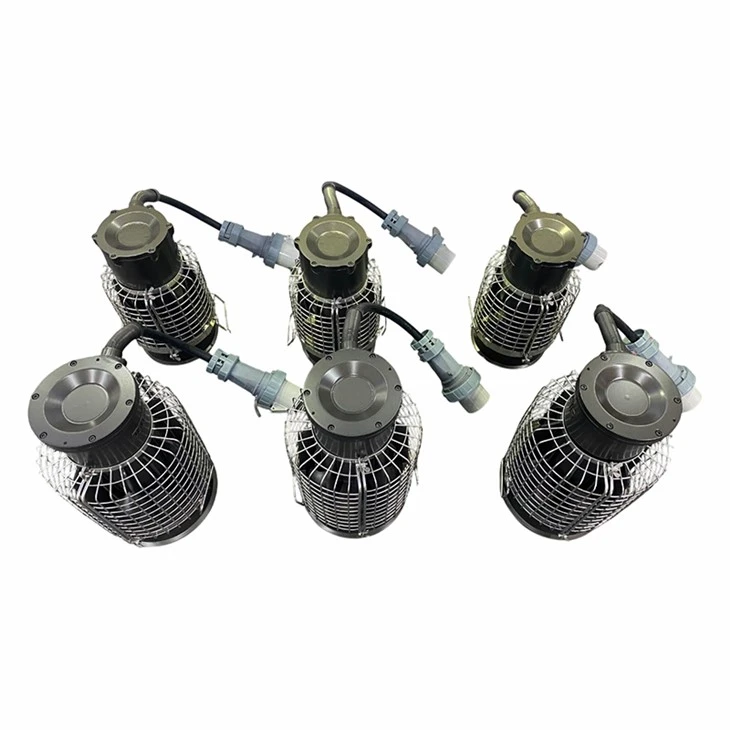
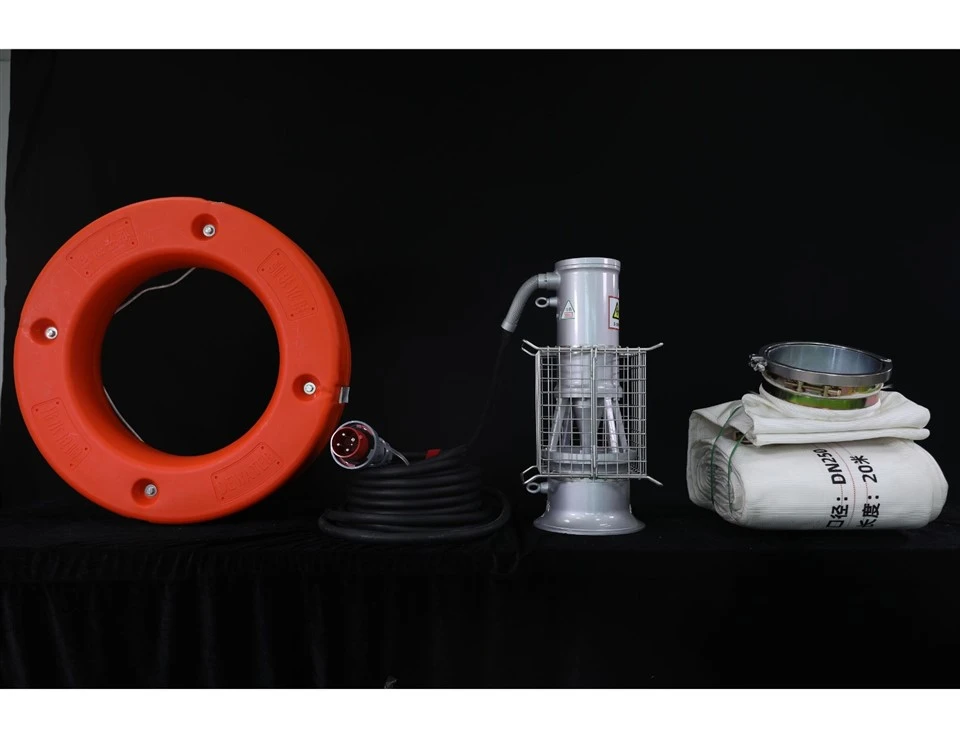
Foam can be crucial in fighting certain types of fires, such as oil or chemical fires. It creates a barrier that cuts off the oxygen supply to the fire, helping to extinguish it faster. Since mobile flooding pumps usually don't have this capability, they're not as effective in dealing with these types of fires.
5. Maintenance and Reliability
Maintaining a mobile flooding pump is essential for its proper functioning. However, in a firefighting situation, there might not be time for regular maintenance checks. If the pump hasn't been properly maintained, it's more likely to break down when you need it the most.
Also, the harsh conditions during a fire, such as high temperatures, smoke, and debris, can put a lot of stress on the pump. Mobile flooding pumps might not be built to withstand these extreme conditions for long periods. A breakdown during a fire can not only delay the firefighting efforts but also put the lives of firefighters at risk.
Alternatives and Complementary Solutions
Now, don't get me wrong. Mobile flooding pumps still have their place in firefighting. They can be used in conjunction with other firefighting equipment. For example, they can be used to supply water to more specialized firefighting pumps that are designed to generate higher pressures and have additional features.
If you're looking for other types of pumps that might be more suitable for different situations, you can check out our Mobile Dewatering Pump, Floodwater Drainage Mobile Pump, and Rescue Mobile Drainage Pump. These pumps are designed with specific functions in mind and can be great additions to your firefighting or water - management arsenal.
Conclusion
In conclusion, while mobile flooding pumps are versatile machines, they have significant limitations when it comes to firefighting. The issues with water supply, pressure, mobility, lack of specialized features, and maintenance all need to be considered. But as a supplier, I'm here to help you find the right equipment for your needs. Whether you're dealing with floods, dewatering projects, or firefighting, we've got a range of pumps that can fit the bill.
If you're interested in learning more about our products or have any questions regarding how our pumps can be used in different scenarios, don't hesitate to reach out. We're always ready to have a chat and discuss how we can help you with your water - related challenges. Let's work together to find the best solutions for you.
References
- Fire Protection Handbook, National Fire Protection Association
- Mobile Pump Technology Manuals, Industry Publications