


Hey there! As a supplier of drainage pump vehicles, I've seen firsthand how these machines are crucial in various scenarios, from flood control to construction site dewatering. But what exactly affects the performance of a drainage pump vehicle? Well, let's dive right in and explore the key factors.
Pump Design and Specifications
The heart of any drainage pump vehicle is, of course, the pump itself. The design and specifications of the pump play a massive role in determining its performance.
First off, the pump type matters a lot. There are different types like centrifugal pumps, which are great for moving large volumes of water at relatively low pressures. They work by using a rotating impeller to create a centrifugal force that pushes the water out. On the other hand, positive displacement pumps are better for handling thick or viscous fluids and can generate high pressures. They work by trapping a fixed amount of fluid and then forcing it into the discharge pipe.
The size of the pump also affects performance. A larger pump can generally move more water, but it might also consume more fuel and require more power. You need to strike a balance between the flow rate you need and the resources available. For instance, if you're dealing with a small - scale construction site, a smaller pump might be sufficient. But for large - scale flood control operations, you'll probably need a bigger one.
Another important specification is the head of the pump. The head refers to the height that the pump can lift the water. If you're pumping water from a low - lying area to a higher elevation, you'll need a pump with a high head. Otherwise, the water won't reach the desired destination.
Engine Power and Efficiency
The engine that powers the drainage pump vehicle is another critical factor. A powerful engine can ensure that the pump operates at its optimal capacity. If the engine doesn't have enough power, the pump might not be able to achieve the desired flow rate or head.
Fuel efficiency is also a big deal. An engine that guzzles fuel can quickly become expensive to operate, especially if you're using the drainage pump vehicle for long periods. Modern engines are designed to be more fuel - efficient, using technologies like direct injection and variable valve timing. These features help the engine burn fuel more efficiently, reducing operating costs.
Regular maintenance of the engine is essential. A well - maintained engine will perform better and last longer. This includes things like changing the oil regularly, checking the air filters, and ensuring that the cooling system is working properly. Neglecting engine maintenance can lead to reduced performance and even breakdowns, which can be a real headache, especially during an emergency situation.
Vehicle Mobility and Accessibility
The mobility of the drainage pump vehicle is crucial, especially in emergency situations. You need to be able to quickly move the vehicle to the location where it's needed. A vehicle with good off - road capabilities can reach remote or hard - to - access areas, which is often the case during flood events or in some construction sites.
The size and weight of the vehicle also play a role. A smaller and lighter vehicle might be more maneuverable, but it might not be able to carry a large - capacity pump. On the other hand, a larger vehicle can carry a more powerful pump but might have trouble navigating narrow streets or rough terrain.
Accessibility to the pump and other components is also important. If it's difficult to access the pump for maintenance or repairs, it can lead to delays in getting the vehicle back into operation. The design of the vehicle should allow for easy access to all the critical parts, so that any issues can be addressed quickly.
Water Quality and Composition
The quality and composition of the water being pumped can have a significant impact on the performance of the drainage pump vehicle. If the water contains a lot of debris, such as rocks, sticks, or mud, it can clog the pump. This reduces the flow rate and can even damage the pump over time.
To deal with debris, many drainage pump vehicles are equipped with filters or screens. These help to remove the larger particles before they enter the pump. However, if the water is extremely dirty, the filters might need to be cleaned or replaced frequently, which can be time - consuming.
The chemical composition of the water can also be a problem. For example, if the water is highly acidic or alkaline, it can corrode the pump components. This not only reduces the performance of the pump but also shortens its lifespan. In such cases, you might need to use pumps made from corrosion - resistant materials, like stainless steel or certain plastics.
Operator Skill and Training
Last but not least, the skill and training of the operator can make a huge difference in the performance of the drainage pump vehicle. An experienced operator knows how to start and stop the pump properly, how to adjust the settings for different conditions, and how to troubleshoot common problems.
Proper training is essential. Operators should be trained on the specific model of the drainage pump vehicle they're using, as well as on general safety procedures. They should know how to perform basic maintenance tasks, like checking the oil level and tightening loose bolts.
A well - trained operator can also make the most of the vehicle's features. For example, they can adjust the pump speed based on the water level and flow rate, which can improve efficiency and reduce wear and tear on the pump.
In conclusion, there are many factors that affect the performance of a drainage pump vehicle. From the pump design and engine power to water quality and operator skill, each aspect plays a crucial role. As a supplier, we understand these factors and strive to provide high - quality drainage pump vehicles that can meet the diverse needs of our customers.
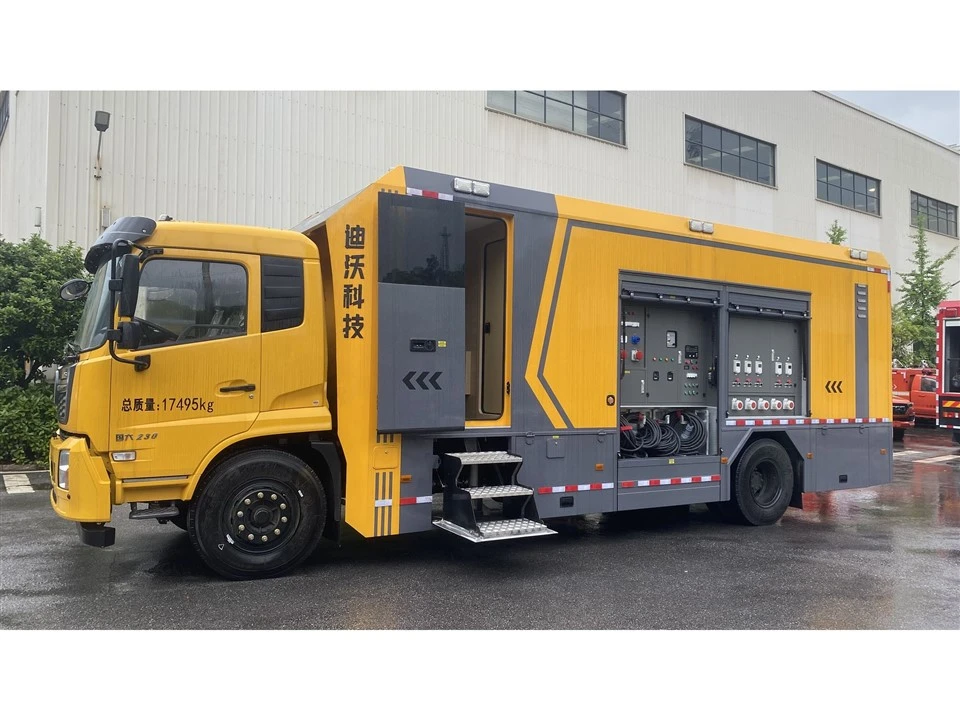
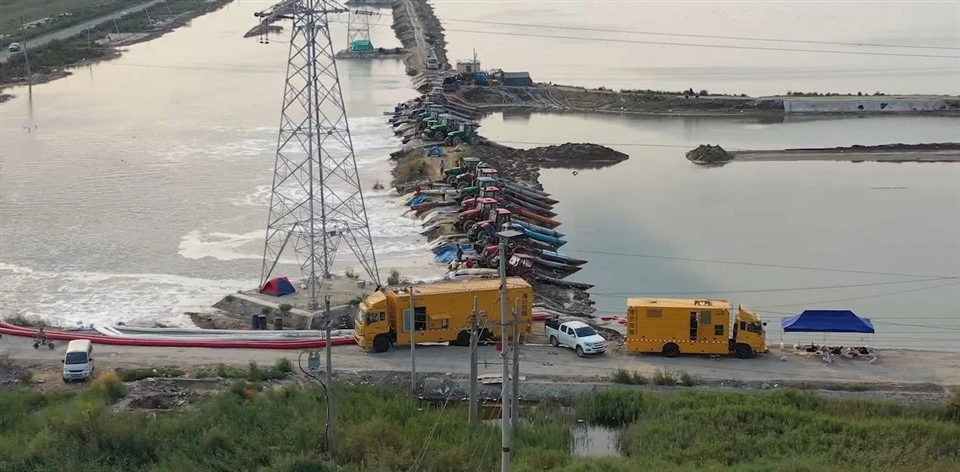
If you're in the market for a drainage pump vehicle, whether it's a Dewatering Pump Truck, Engineering Water Drainage Rescue Vehicles, or Large Mobile Drainage Pump Station, we're here to help. We can provide you with the right vehicle based on your specific requirements and offer support throughout the process. Feel free to reach out to us to discuss your needs and start the procurement process.
References
- "Pump Handbook" by Igor J. Karassik et al.
- "Diesel Engine Fundamentals" by John Heywood.
- Industry reports on drainage pump vehicle performance and technology.