


A mobile pump station is a versatile and essential piece of equipment in various industries, especially in water management, construction, and emergency response. As a leading supplier of Mobile Pumping Station, I am often asked about the connection methods of a mobile pump station to a pipeline. In this blog post, I will explore the different connection methods, their advantages, and considerations for choosing the right one.
Flange Connections
Flange connections are one of the most common methods used to connect a mobile pump station to a pipeline. A flange is a flat, circular disc with holes around the perimeter that is bolted to another flange on the pipeline. This creates a tight seal that prevents leakage and ensures a secure connection.
Advantages
- High Strength: Flange connections are strong and can withstand high pressures, making them suitable for use in high-pressure pumping applications.
- Easy to Install and Remove: Flanges are relatively easy to install and remove, which makes maintenance and repair of the pump station and pipeline more convenient.
- Versatile: Flanges come in a variety of sizes and materials, allowing for compatibility with different types of pipelines and pump stations.
Considerations
- Alignment: Proper alignment of the flanges is crucial to ensure a leak-free connection. Misalignment can cause stress on the bolts and gaskets, leading to leakage and potential damage to the equipment.
- Gasket Selection: The choice of gasket is important to ensure a proper seal. Different gaskets are suitable for different applications, depending on the pressure, temperature, and fluid being pumped.
- Bolt Torque: Bolts must be tightened to the correct torque specification to ensure a secure connection. Over-tightening can damage the flanges and gaskets, while under-tightening can result in leakage.
Threaded Connections
Threaded connections are another common method of connecting a mobile pump station to a pipeline. Threaded pipes have male and female threads that are screwed together to create a seal. This type of connection is often used in smaller diameter pipelines and low-pressure applications.
Advantages
- Simple Installation: Threaded connections are easy to install and do not require special tools or equipment.
- Cost-Effective: Threaded pipes are generally less expensive than flanged pipes, making them a cost-effective option for smaller projects.
- Flexibility: Threaded connections can be easily disassembled and reassembled, allowing for easy maintenance and modification of the pipeline system.
Considerations
- Thread Sealant: A thread sealant is required to ensure a leak-free connection. The type of sealant used depends on the application and the fluid being pumped.
- Thread Damage: Threads can be easily damaged during installation or disassembly, which can lead to leakage. Care must be taken to avoid cross-threading and over-tightening.
- Limited Pressure Rating: Threaded connections are generally not suitable for high-pressure applications, as the threads may not be able to withstand the pressure.
Cam and Groove Couplings
Cam and groove couplings, also known as camlock couplings, are a quick and easy way to connect a mobile pump station to a pipeline. These couplings consist of a male adapter with two cam arms and a female coupler with a groove. The cam arms are inserted into the groove and locked in place, creating a secure connection.
Advantages
- Quick Connection and Disconnection: Cam and groove couplings can be connected and disconnected quickly, making them ideal for applications where frequent connection and disconnection are required.
- Versatile: Cam and groove couplings are available in a variety of sizes and materials, allowing for compatibility with different types of pipelines and pump stations.
- Leak-Free: When properly installed, cam and groove couplings provide a leak-free connection.
Considerations
- Proper Installation: Cam and groove couplings must be installed correctly to ensure a secure connection. The cam arms must be fully inserted into the groove and locked in place.
- Seal Integrity: The seal integrity of cam and groove couplings can be affected by factors such as wear, damage, and improper installation. Regular inspection and maintenance are required to ensure the seals are in good condition.
- Pressure Rating: Cam and groove couplings have a limited pressure rating, so they are not suitable for high-pressure applications.
Hose Connections
Hose connections are commonly used to connect a mobile pump station to a pipeline, especially in applications where flexibility is required. Hoses are available in a variety of materials, sizes, and lengths, allowing for customization to meet specific application requirements.
Advantages
- Flexibility: Hoses can be easily bent and maneuvered, making them suitable for applications where the pipeline layout is complex or where the pump station needs to be moved frequently.
- Vibration Isolation: Hoses can help to isolate vibrations from the pump station, reducing noise and preventing damage to the pipeline system.
- Easy Installation: Hoses are relatively easy to install and can be connected to the pump station and pipeline using clamps or couplings.
Considerations
- Hose Material: The choice of hose material depends on the application and the fluid being pumped. Different materials have different chemical resistance, temperature ratings, and pressure ratings.
- Hose Length and Diameter: The length and diameter of the hose can affect the performance of the pump station. Longer hoses and smaller diameters can result in increased friction loss, reducing the flow rate and efficiency of the system.
- Hose Maintenance: Hoses require regular inspection and maintenance to ensure they are in good condition. Damaged hoses should be replaced immediately to prevent leakage and potential damage to the equipment.
Choosing the Right Connection Method
When choosing a connection method for a mobile pump station to a pipeline, several factors need to be considered, including:
- Application Requirements: The type of application, such as the fluid being pumped, the pressure and flow rate requirements, and the operating conditions, will determine the most suitable connection method.
- Pipeline Material and Size: The material and size of the pipeline will also affect the choice of connection method. Different connection methods are compatible with different types of pipelines.
- Installation and Maintenance: The ease of installation and maintenance is an important consideration. Some connection methods are more complex and require special tools or equipment, while others are simpler and can be installed and maintained by the end-user.
- Cost: The cost of the connection method, including the cost of the components and the installation, should also be taken into account.
As a supplier of Water Drainage Pump Truck and Dewatering Pump Truck, we understand the importance of choosing the right connection method for your mobile pump station. Our team of experts can provide you with professional advice and guidance to help you select the most suitable connection method for your specific application.
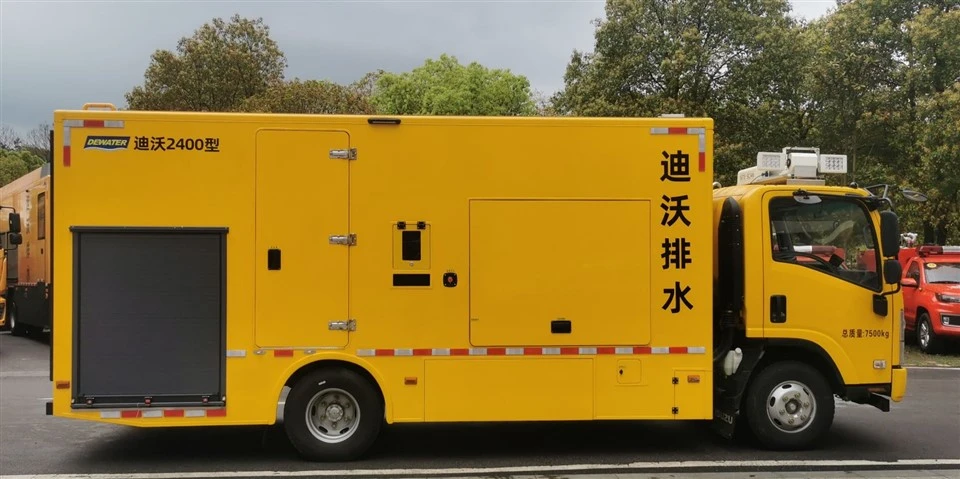

If you are interested in our mobile pump stations or have any questions about the connection methods, please feel free to contact us. We are committed to providing high-quality products and excellent customer service, and we look forward to discussing your requirements and helping you find the best solution for your needs.
References
- Crane, D. P. (2009). Pipeline Design for the Oil and Gas Industries. Butterworth-Heinemann.
- Perry, R. H., & Green, D. W. (2007). Perry's Chemical Engineers' Handbook. McGraw-Hill.
- TEMA Standards. (2019). Tubular Exchanger Manufacturers Association, Inc.