


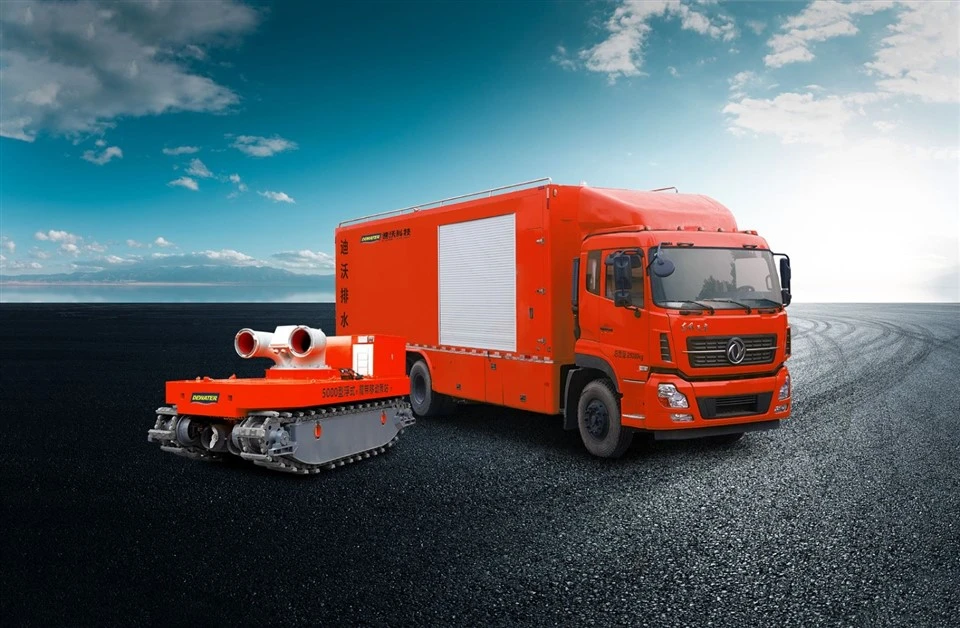
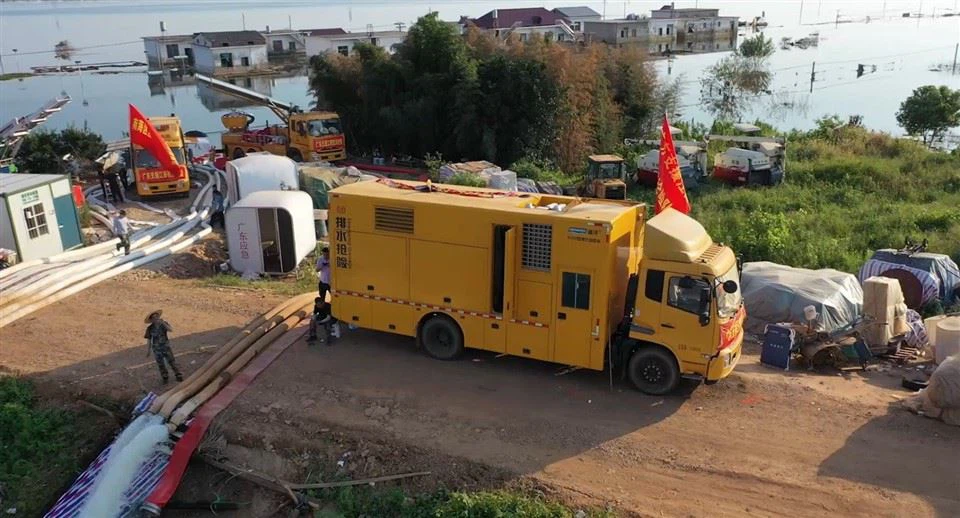
Hey there! As a supplier of Mobile Drainage Pump Stations, I've seen my fair share of issues that these bad boys can run into. In this blog, I'm gonna break down some of the common problems you might face with a mobile drainage pump station and how to deal with 'em.
1. Mechanical Failures
One of the most frequent issues we come across is mechanical failures. The pumps in a mobile drainage pump station are the heart of the operation, and if they start acting up, it can spell disaster. For example, the impeller, which is responsible for moving the water, can get damaged over time. This could be due to debris in the water, like rocks or sticks, getting caught in it. When that happens, the impeller might not spin properly, reducing the pump's efficiency or even causing it to stop working altogether.
Another mechanical problem is wear and tear on the bearings. Bearings are what allow the moving parts of the pump to rotate smoothly. But with constant use, they can start to wear out. If you notice strange noises coming from the pump, like grinding or squealing, it could be a sign that the bearings are on their last legs. And if you don't replace them in time, it could lead to more serious damage to the pump.
2. Electrical Issues
Electrical problems are also pretty common in mobile drainage pump stations. These stations rely on electrical systems to power the pumps and control their operation. One issue we often see is faulty wiring. Over time, the wires can become frayed or damaged, which can cause short circuits or other electrical malfunctions. This not only affects the performance of the pump but can also be a safety hazard.
Another electrical problem is issues with the control panel. The control panel is like the brain of the pump station, allowing you to start, stop, and monitor the pumps. If there are glitches in the control panel, you might not be able to operate the pumps properly. For example, the panel might not display accurate readings of the pump's performance, or it might not respond when you try to turn the pumps on or off.
3. Clogging
Clogging is a major headache for mobile drainage pump stations. When the water being pumped contains a lot of debris, like leaves, twigs, or even trash, it can clog up the intake or the pipes. This restricts the flow of water into the pump, reducing its efficiency. And if the clog isn't cleared quickly, it can cause the pump to overheat and eventually break down.
To prevent clogging, it's important to have proper filtration systems in place. Some mobile drainage pump stations come with built-in filters that can catch larger debris before it enters the pump. But even with filters, you still need to regularly check and clean them to make sure they're working effectively.
4. Lack of Maintenance
One of the biggest mistakes people make with mobile drainage pump stations is neglecting maintenance. These stations are complex pieces of equipment, and they need regular upkeep to keep them running smoothly. If you don't perform routine maintenance tasks, like checking the oil levels, inspecting the belts, and cleaning the filters, you're just asking for trouble.
For example, if you don't change the oil in the pump regularly, it can become dirty and lose its lubricating properties. This can cause increased friction between the moving parts, leading to premature wear and tear. And if you don't inspect the belts for signs of wear, they could snap while the pump is running, bringing the whole operation to a halt.
5. Inadequate Sizing
Choosing the right size of mobile drainage pump station is crucial. If the pump station is too small for the job, it won't be able to handle the volume of water that needs to be pumped. This can lead to slow drainage, which can cause flooding in the area. On the other hand, if the pump station is too large, it can be a waste of energy and money.
When selecting a mobile drainage pump station, you need to consider factors like the volume of water that needs to be pumped, the distance the water needs to be pumped, and the head pressure (the height the water needs to be lifted). It's always a good idea to consult with a professional to make sure you're getting the right size for your specific needs.
Solutions to These Problems
Now that we've talked about the common problems, let's look at some solutions. For mechanical failures, regular inspections and maintenance are key. Make sure to check the impeller, bearings, and other moving parts for signs of wear and tear. If you notice any issues, replace the parts as soon as possible.
For electrical issues, have a qualified electrician inspect the wiring and control panel regularly. They can identify and fix any problems before they become major headaches. And if you're not comfortable working with electrical systems, it's best to leave it to the professionals.
To prevent clogging, invest in a good filtration system and make sure to clean it regularly. You can also use a trash rack or screen at the intake to catch larger debris before it enters the pump.
As for maintenance, create a maintenance schedule and stick to it. This should include tasks like checking the oil levels, inspecting the belts, and cleaning the filters. And don't forget to keep a record of all the maintenance tasks you perform.
When it comes to sizing, do your research and consult with experts. They can help you determine the right size of mobile drainage pump station for your needs. And if you're not sure, it's better to err on the side of caution and go for a slightly larger pump station.
Conclusion
In conclusion, mobile drainage pump stations are incredibly useful pieces of equipment, but they're not without their problems. By being aware of the common issues and taking proactive steps to prevent and address them, you can ensure that your pump station operates smoothly and efficiently.
If you're in the market for a Mobile Drainage Pump Station, Flood Control Pump Truck, or Dewatering Pump Trailer, we're here to help. We offer high-quality products and expert advice to make sure you get the right equipment for your needs. So don't hesitate to reach out and start the procurement negotiation process. We're looking forward to working with you!
References
- "Pump Handbook" by Igor J. Karassik et al.
- "Drainage and Sewerage Engineering" textbooks
- Industry reports on mobile drainage pump station performance and maintenance