


Hey there! I'm a supplier of mobile pump stations, and today I wanna talk about the alarm systems of these nifty machines. Mobile pump stations are super handy in a whole bunch of situations, like drought relief, fire - fighting, and emergency rescue. They're like the Swiss Army knives of the water - handling world.
First off, let's understand why alarm systems are so important in mobile pump stations. These stations operate in various challenging environments, and any malfunction can lead to big problems. An alarm system acts as an early warning sign, letting us know when something's not right so we can take action before it's too late.
Temperature Alarm
One of the most common alarm systems in a mobile pump station is the temperature alarm. The pumps in these stations generate a lot of heat when they're running. If the temperature gets too high, it can damage the pump's components, like the motor or the bearings.
The temperature sensors are usually placed in key areas of the pump, like near the motor windings or the bearing housing. When the temperature exceeds a pre - set limit, the alarm goes off. It could be a simple beeping sound or a signal sent to a control panel. This gives the operators a heads - up that they need to check the pump and figure out why it's overheating. Maybe there's a problem with the cooling system, or the pump is being overloaded.
Pressure Alarm
Pressure is another crucial factor in the operation of a mobile pump station. The pressure alarm monitors the pressure in the pump's discharge and suction lines. There are two main types of pressure - related alarms: high - pressure alarms and low - pressure alarms.
A high - pressure alarm is triggered when the pressure in the discharge line gets too high. This could happen if there's a blockage in the pipeline, or if the pump is running at too high a speed. High pressure can cause damage to the pipes, valves, and even the pump itself. When the high - pressure alarm goes off, the operators need to shut down the pump and check for blockages or adjust the pump's settings.
On the other hand, a low - pressure alarm indicates that the pressure in the suction line is too low. This could be due to a leak in the suction line, or if the pump is not getting enough water. A low - pressure situation can lead to cavitation, which is when bubbles form in the liquid inside the pump. Cavitation can cause serious damage to the pump's impeller and other internal components. When the low - pressure alarm sounds, the operators need to find and fix the source of the problem.
Flow Alarm
Flow rate is also closely monitored in a mobile pump station. The flow alarm keeps track of the amount of water flowing through the pump. If the flow rate is too low, it could mean that there's a problem with the pump's performance, like a clogged impeller or a malfunctioning valve. A low - flow alarm alerts the operators that they need to check the pump and make sure it's working properly.
Conversely, a high - flow alarm can be an indication of a problem as well. It could mean that there's a break in the pipeline downstream, causing more water to flow than normal. This can lead to a waste of water and potential damage to the surrounding area. When the high - flow alarm is triggered, the operators need to locate and repair the break in the pipeline.
Vibration Alarm
Vibration is a sign of how smoothly a pump is running. Excessive vibration can indicate a problem with the pump's alignment, balance, or the condition of its bearings. The vibration alarm system uses sensors to detect the level of vibration in the pump.
When the vibration exceeds a certain threshold, the alarm is activated. This could be a sign that the pump needs to be realigned, or that the bearings need to be replaced. Ignoring excessive vibration can lead to premature wear and tear of the pump's components and eventually, pump failure.
Oil Level and Quality Alarm
In pumps that use oil for lubrication, the oil level and quality are monitored by an alarm system. The oil level alarm ensures that there's enough oil in the pump's lubrication system. If the oil level drops below a certain level, it can cause insufficient lubrication, leading to increased friction and wear on the moving parts.
The oil quality alarm checks the condition of the oil. Over time, the oil can become contaminated with dirt, water, or other impurities. This can reduce its lubricating properties and cause damage to the pump. When the oil quality alarm goes off, it's time to change the oil and clean the lubrication system.

Power Supply Alarm
Since mobile pump stations rely on a power source, a power supply alarm is essential. It monitors the voltage, current, and frequency of the power supply. If there's a power outage, a voltage spike, or a frequency deviation, the alarm will notify the operators.
A power outage can stop the pump from working, and a voltage spike or frequency deviation can damage the pump's electrical components. When the power supply alarm goes off, the operators need to check the power source and make sure it's stable. They might need to switch to a backup power supply if available.
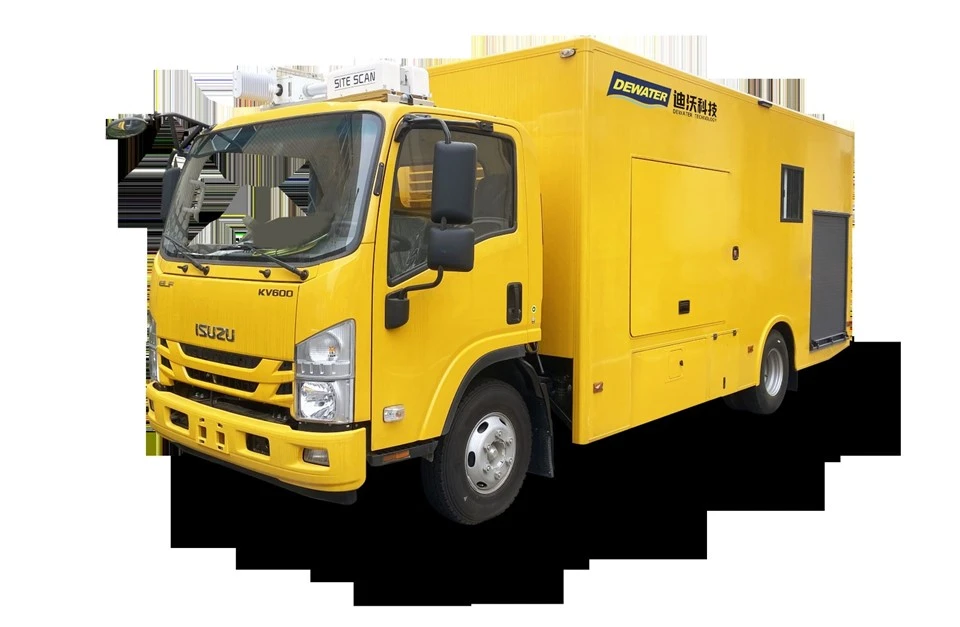
Now, let's talk about some of the different types of mobile pump stations that these alarm systems are used in. We have the Drought Relief Drainage Pump Truck. These trucks are designed to provide water during droughts. They can pump water from wells, rivers, or other sources and distribute it to where it's needed. The alarm systems in these trucks are crucial to ensure that they operate smoothly and efficiently, especially in areas where water is scarce.
The Mobile Fire Water Supply Pump Trailer is another important type of mobile pump station. In case of a fire, these trailers can quickly supply water to the fire - fighting equipment. The alarm systems in these trailers help to ensure that the water supply is continuous and that the pumps are working properly under high - pressure conditions.
And then there are the Emergency Rescue Drainage Pump Trucks. These trucks are used in flood - affected areas or other emergency situations to drain water quickly. The alarm systems in these trucks are vital to prevent any breakdowns that could delay the rescue operations.
If you're in the market for a mobile pump station, you know how important these alarm systems are. They ensure the safety and efficiency of the pump station, and can save you a lot of time and money in the long run. Whether you need a pump for drought relief, fire - fighting, or emergency rescue, we've got you covered.
If you're interested in learning more about our mobile pump stations and their alarm systems, or if you're ready to start a purchase negotiation, don't hesitate to reach out. We're here to answer all your questions and help you find the perfect pump station for your needs.
References
- "Pump Handbook" by Igor Karassik
- "Industrial Pumping Systems" by Heinz P. Bloch