


Hey there! As a supplier of Dewatering Pump Trucks, I've seen firsthand how important it is to keep fuel consumption in check. Not only does it save you money, but it's also better for the environment. In this blog, I'm gonna share some tips on how to reduce the fuel consumption of a dewatering pump truck.

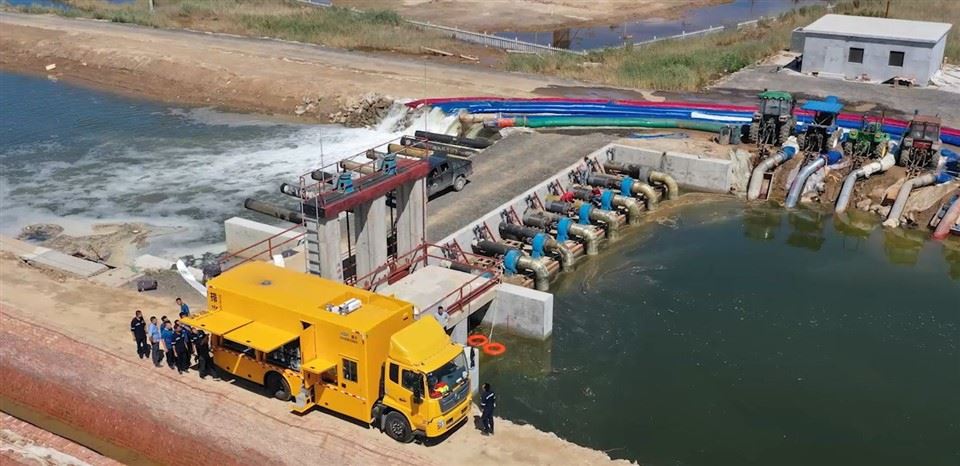
1. Regular Maintenance
One of the most crucial things you can do to reduce fuel consumption is to keep your dewatering pump truck well - maintained. Just like a car, if the engine and other components aren't in good shape, it'll guzzle more fuel.
- Engine Tuning: Make sure the engine is properly tuned. A poorly tuned engine can burn more fuel than necessary. You should check the spark plugs, fuel injectors, and ignition timing regularly. If the spark plugs are worn out, they won't ignite the fuel - air mixture efficiently, leading to wasted fuel.
- Air Filter Replacement: The air filter prevents dirt and debris from entering the engine. A clogged air filter restricts the airflow to the engine, making it work harder and consume more fuel. Replace the air filter according to the manufacturer's recommendations. Usually, it's a good idea to check it every few months and replace it when it looks dirty.
- Tire Pressure: Don't forget about the tires. Under - inflated tires increase rolling resistance, which means the engine has to work harder to move the truck. Check the tire pressure regularly and keep it at the recommended level. You can find the recommended tire pressure in the owner's manual or on a sticker inside the driver's door.
2. Optimize Pump Operation
The way you operate the dewatering pump also has a big impact on fuel consumption.
- Proper Pump Sizing: When choosing a dewatering pump for your truck, make sure it's the right size for the job. A pump that's too large for the task will use more energy than necessary, while a pump that's too small will have to work overtime, also consuming more fuel. Consider the flow rate, head pressure, and the type of fluid you're pumping when selecting a pump.
- Avoid Over - Pumping: Don't run the pump at full capacity when it's not needed. Monitor the water level and adjust the pump speed accordingly. For example, if the water level is low, you can reduce the pump speed to save fuel. Some modern dewatering pumps have variable speed controls that allow you to easily adjust the speed based on the demand.
- Pump Efficiency: Look for pumps with high efficiency ratings. Newer pump models often use advanced technology to improve efficiency, such as better impeller designs and more efficient motors. Upgrading to a more efficient pump can significantly reduce fuel consumption in the long run. You can check out our Water Drainage Pump Truck and Dewatering Pump Trailer for some high - efficiency options.
3. Route and Load Planning
How you plan your routes and manage the load on the truck can also affect fuel consumption.
- Route Optimization: Plan your routes in advance to avoid unnecessary detours and traffic congestion. Traffic jams can cause the engine to idle for long periods, wasting fuel. Use a GPS navigation system that can suggest the most fuel - efficient routes. Some GPS devices even take into account traffic conditions in real - time to help you find the best way to your destination.
- Reduce Unnecessary Load: Don't carry any extra weight on the truck that you don't need. Every additional pound of weight makes the engine work harder and consume more fuel. Before you head out, remove any tools, equipment, or materials that aren't essential for the job.
4. Driver Training
The driver's behavior plays a significant role in fuel consumption.
- Smooth Driving: Encourage drivers to drive smoothly. Aggressive driving, such as rapid acceleration and hard braking, uses more fuel. Teach drivers to accelerate gradually and anticipate stops in advance to avoid sudden braking. For example, if they see a red light up ahead, they can start coasting instead of continuing to drive at full speed until the last minute.
- Idle Time Management: Minimize idle time. Idling the engine for long periods is a waste of fuel. If the truck is going to be stationary for more than a minute or two, it's better to turn off the engine. However, make sure to follow the manufacturer's guidelines regarding engine start - stop cycles to avoid any damage to the engine.
5. Use Alternative Fuels or Hybrid Technology
If possible, consider using alternative fuels or hybrid technology for your dewatering pump truck.
- Alternative Fuels: Some dewatering pump trucks can run on alternative fuels such as biodiesel or natural gas. These fuels are often more environmentally friendly and can be more cost - effective in some cases. Biodiesel, for example, is made from renewable resources and can reduce greenhouse gas emissions.
- Hybrid Technology: Hybrid dewatering pump trucks combine a traditional combustion engine with an electric motor. The electric motor can assist the engine during acceleration and low - load operations, reducing fuel consumption. Hybrid technology is becoming more common in the automotive industry, and it's starting to make its way into the dewatering pump truck market as well. You can explore our Dewatering Pump Truck for some options that may incorporate these technologies.
In conclusion, reducing the fuel consumption of a dewatering pump truck is a combination of proper maintenance, optimized operation, smart planning, and the use of new technologies. By following these tips, you can save money on fuel costs, reduce your environmental impact, and improve the overall efficiency of your dewatering operations.
If you're interested in learning more about our dewatering pump trucks or have any questions about reducing fuel consumption, feel free to reach out to us. We're here to help you find the best solutions for your dewatering needs. Contact us to start a procurement discussion and find the perfect dewatering pump truck for your business.
References
- "Fuel Efficiency Best Practices for Heavy - Duty Vehicles", Federal Highway Administration
- "Pump Handbook", Igor Karassik et al.
- Manufacturer's manuals for dewatering pump trucks and pumps