


Drought relief drainage pumps play a crucial role in mitigating the impacts of water scarcity and excessive water accumulation. As a supplier of drought relief drainage pumps, I understand the importance of optimizing their operation to ensure maximum efficiency and effectiveness. In this blog post, I will share some valuable insights and practical tips on how to optimize the operation of a drought relief drainage pump.
Understanding the Basics of Drought Relief Drainage Pumps
Before delving into optimization strategies, it is essential to have a clear understanding of the basic components and working principles of drought relief drainage pumps. These pumps are designed to transfer water from one location to another, typically from a water source to an area in need of irrigation or from a flooded area to a drainage point.
There are several types of drought relief drainage pumps available in the market, including centrifugal pumps, axial flow pumps, and mixed flow pumps. Each type has its own unique characteristics and is suitable for different applications. Centrifugal pumps, for example, are commonly used for high-head applications, while axial flow pumps are more suitable for low-head, high-flow applications.
Selecting the Right Pump for the Job
One of the most critical factors in optimizing the operation of a drought relief drainage pump is selecting the right pump for the specific application. This involves considering several factors, such as the required flow rate, head, and the type of water being pumped.
- Flow Rate: The flow rate is the volume of water that the pump can deliver per unit of time. It is typically measured in gallons per minute (GPM) or cubic meters per hour (m³/h). To determine the required flow rate, you need to consider the size of the area to be irrigated or drained and the rate at which water needs to be transferred.
- Head: The head is the height that the pump needs to lift the water. It is typically measured in feet or meters. To determine the required head, you need to consider the vertical distance between the water source and the discharge point, as well as any friction losses in the piping system.
- Type of Water: The type of water being pumped can also affect the selection of the pump. For example, if the water contains solids or abrasive materials, you may need to choose a pump that is designed to handle such conditions.
Proper Installation and Maintenance
Once you have selected the right pump for the job, it is essential to ensure that it is installed and maintained properly. Improper installation or maintenance can lead to reduced efficiency, increased energy consumption, and premature pump failure.
- Installation: When installing a drought relief drainage pump, it is important to follow the manufacturer's instructions carefully. This includes ensuring that the pump is installed on a level surface, the piping system is properly sized and connected, and the electrical connections are secure.
- Maintenance: Regular maintenance is essential to keep the pump operating at peak efficiency. This includes checking the oil level, inspecting the impeller and volute for wear, and cleaning the intake screen. It is also important to follow the manufacturer's recommended maintenance schedule and to use only genuine replacement parts.
Optimizing Pump Performance
In addition to proper installation and maintenance, there are several other strategies that you can use to optimize the performance of a drought relief drainage pump. These include:
- Adjusting the Pump Speed: Most modern drought relief drainage pumps are equipped with variable speed drives, which allow you to adjust the pump speed to match the required flow rate and head. By adjusting the pump speed, you can reduce energy consumption and improve the overall efficiency of the pump.
- Using a Pump Controller: A pump controller is a device that monitors the water level in the source and automatically starts and stops the pump as needed. This can help to prevent the pump from running dry, which can cause damage to the pump and reduce its efficiency.
- Implementing a Water Management Plan: A water management plan is a comprehensive strategy for managing water resources in a drought-prone area. This can include measures such as water conservation, rainwater harvesting, and the use of alternative water sources. By implementing a water management plan, you can reduce the demand for water and optimize the operation of your drought relief drainage pump.
Utilizing Advanced Technologies
Advancements in technology have led to the development of several innovative solutions for optimizing the operation of drought relief drainage pumps. These include:
- Remote Monitoring and Control: Remote monitoring and control systems allow you to monitor the performance of your pump from anywhere in the world using a smartphone, tablet, or computer. This can help you to detect and address any issues quickly, reducing downtime and improving the overall efficiency of the pump.
- Energy-Efficient Pump Designs: Many modern drought relief drainage pumps are designed to be more energy-efficient than traditional pumps. These pumps use advanced technologies such as variable speed drives, high-efficiency motors, and optimized impeller designs to reduce energy consumption and lower operating costs.
- Smart Water Management Systems: Smart water management systems use sensors, data analytics, and artificial intelligence to optimize the use of water resources. These systems can help you to monitor water levels, detect leaks, and adjust the operation of your pump based on real-time data.
Choosing the Right Accessories
In addition to the pump itself, there are several accessories that you can use to optimize the operation of your drought relief drainage pump. These include:
- Long Distance Water Supply Equipment: Long Distance Water Supply Equipment is designed to transport water over long distances. This can be useful in situations where the water source is located far away from the area in need of irrigation or drainage.
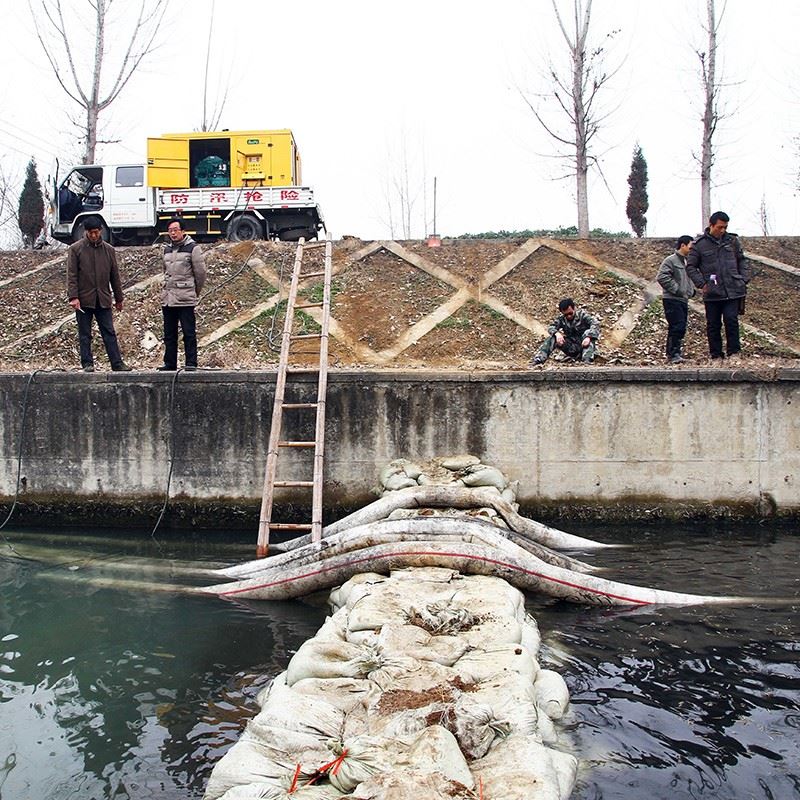
- Mobile Water Drain Pump Trailer: Mobile Water Drain Pump Trailer is a portable pump system that can be easily transported to different locations. This can be useful in situations where you need to quickly deploy a pump to a flooded area or a remote location.
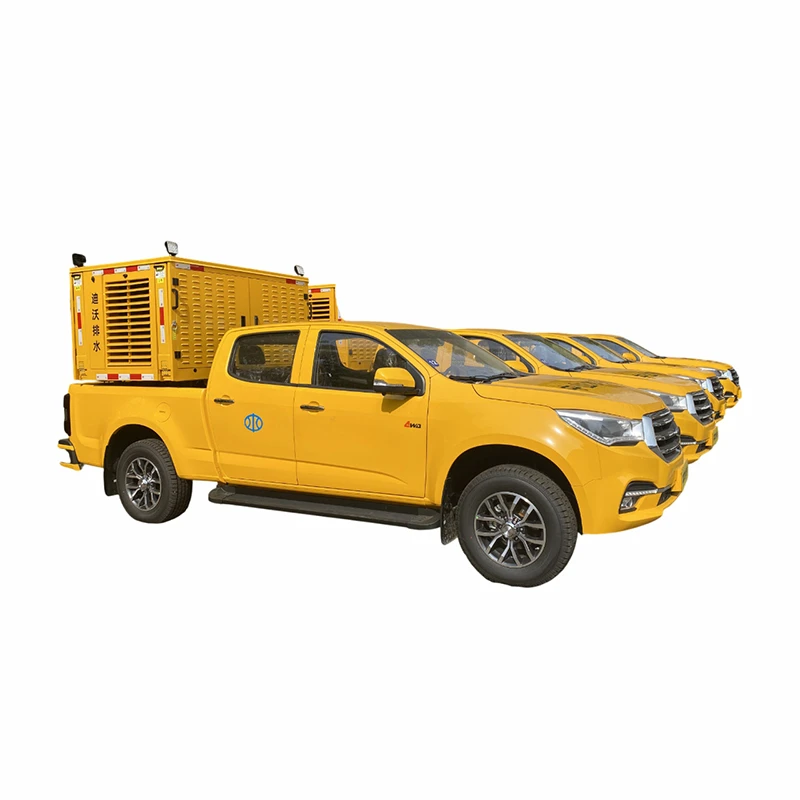
- Mobile Pump Truck: Mobile Pump Truck is a self-contained pump system that is mounted on a truck. This can be useful in situations where you need to quickly deploy a pump to a large area or a location that is difficult to access.
Conclusion
Optimizing the operation of a drought relief drainage pump is essential to ensure maximum efficiency and effectiveness. By selecting the right pump for the job, installing and maintaining it properly, optimizing its performance, utilizing advanced technologies, and choosing the right accessories, you can reduce energy consumption, lower operating costs, and improve the overall reliability of your pump.
If you are interested in learning more about how to optimize the operation of your drought relief drainage pump or if you are looking for a high-quality pump and accessories, please feel free to contact us. We are a leading supplier of drought relief drainage pumps and related equipment, and we are committed to providing our customers with the best products and services.
References
- Pump Handbook, 4th Edition, by Igor J. Karassik, Joseph P. Messina, Paul Cooper, and Charles C. Heald
- Water Supply and Sewerage, 6th Edition, by B.C. Punmia, Ashok Kumar Jain, and Arun K. Jain
- Handbook of Applied Hydraulics, 2nd Edition, by Robert L. Daugherty and Joseph B. Franzini