


Optimizing the energy consumption of a diesel flood control pump is crucial for both cost - efficiency and environmental sustainability. As a supplier of diesel flood control pumps, I have witnessed firsthand the importance of energy optimization in the field of flood control. In this blog, I will share some effective strategies to achieve this goal.
Understanding the Basics of Diesel Flood Control Pump Energy Consumption
Before delving into optimization strategies, it is essential to understand the factors that contribute to the energy consumption of a diesel flood control pump. The primary energy - consuming component is the diesel engine, which powers the pump. The energy consumption of the engine is influenced by several factors, including the pump's flow rate, head pressure, and the efficiency of the engine itself.
The flow rate, measured in cubic meters per hour (m³/h), represents the volume of water that the pump can move in a given time. A higher flow rate generally requires more power from the engine. The head pressure, measured in meters (m), is the height to which the pump can lift the water. A greater head pressure also demands more energy. Additionally, the efficiency of the diesel engine plays a significant role. Older engines or those in poor condition may consume more fuel to produce the same amount of power as a newer, more efficient engine.
Selecting the Right Pump for the Job
One of the most effective ways to optimize energy consumption is to select the right pump for the specific flood control task. Using an oversized pump will result in excessive energy consumption, as the engine will be operating at a lower efficiency point. On the other hand, an undersized pump may not be able to handle the required flow rate and head pressure, leading to longer operation times and increased energy use.
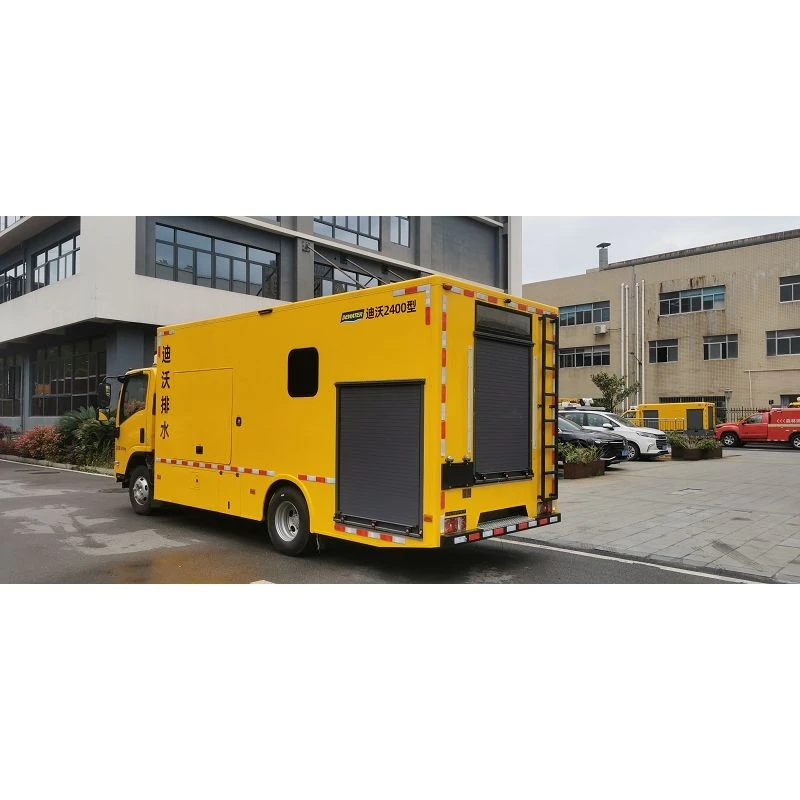
When choosing a pump, consider the expected flood conditions, such as the volume of water to be pumped and the height it needs to be lifted. Our company offers a range of pumps, including Emergency Dewatering Pump, Flood Control Mobile Pump Truck, and Mobile Water Drain Pump Trailer, which are designed to meet different flood control requirements. By carefully matching the pump to the job, you can ensure that the engine operates at its optimal efficiency.
Regular Maintenance of the Diesel Engine
Regular maintenance of the diesel engine is essential for optimizing energy consumption. A well - maintained engine will operate more efficiently, consuming less fuel while producing the same amount of power. Here are some key maintenance tasks:
- Oil and Filter Changes: Regularly changing the engine oil and filters helps to keep the engine clean and lubricated. Dirty oil and clogged filters can increase friction within the engine, leading to higher energy consumption.
- Air Filter Cleaning or Replacement: A clean air filter ensures that the engine receives an adequate supply of air for combustion. A dirty air filter can restrict airflow, causing the engine to work harder and consume more fuel.
- Fuel System Maintenance: The fuel system, including the fuel injectors and pumps, should be inspected and maintained regularly. Faulty fuel injectors can lead to incomplete combustion, resulting in wasted fuel and increased emissions.
- Cooling System Checks: The cooling system helps to keep the engine at an optimal operating temperature. Overheating can cause the engine to lose efficiency and consume more fuel. Regularly check the coolant level and the condition of the radiator and hoses.
Optimizing Pump Operation
Proper pump operation can also contribute to energy savings. Here are some tips:
- Control the Flow Rate: Adjust the flow rate of the pump according to the actual flood conditions. If the floodwater level is low, reducing the flow rate can save energy. Many modern pumps are equipped with variable speed drives, which allow for precise control of the flow rate.
- Avoid Idle Time: Minimize the idle time of the pump. Idling consumes fuel without performing any useful work. If the pump is not needed immediately, shut it down.
- Use Multiple Pumps Strategically: In some cases, using multiple smaller pumps instead of one large pump can be more energy - efficient. This allows for better control of the flow rate and can reduce the overall energy consumption.
Monitoring and Data Analysis
Monitoring the energy consumption of the diesel flood control pump is crucial for identifying areas for improvement. Install energy monitoring devices to track the fuel consumption and power output of the engine. Analyze the data regularly to identify trends and patterns. For example, if you notice a sudden increase in fuel consumption, it may indicate a problem with the engine or the pump.
By using data - driven insights, you can make informed decisions about pump operation, maintenance, and replacement. This proactive approach can help to optimize energy consumption over the long term.
Upgrading to Energy - Efficient Technologies
As technology advances, there are many new energy - efficient technologies available for diesel flood control pumps. Consider upgrading your pumps to take advantage of these technologies:

- High - Efficiency Diesel Engines: Newer diesel engines are designed to be more fuel - efficient, with advanced combustion technologies and improved engine management systems.
- Variable Frequency Drives (VFDs): VFDs allow the pump to operate at variable speeds, adjusting the flow rate according to the demand. This can significantly reduce energy consumption, especially in applications where the flow rate varies.
- Advanced Pump Designs: Some pumps are designed with improved hydraulic efficiency, which means they can move more water with less energy.
Conclusion
Optimizing the energy consumption of a diesel flood control pump is a multi - faceted process that involves selecting the right pump, regular maintenance, proper operation, monitoring, and upgrading to energy - efficient technologies. By implementing these strategies, you can reduce the cost of flood control operations while minimizing the environmental impact.
If you are interested in learning more about our diesel flood control pumps or need assistance with energy optimization, please feel free to contact us for procurement and further discussion. We are committed to providing high - quality, energy - efficient solutions for your flood control needs.
References
- "Diesel Engine Handbook" by Richard Stone
- "Pump Handbook" by Igor Karassik et al.
- Industry reports on flood control pump technologies and energy efficiency.