


Integrating a fire water supply pump with a fire sprinkler system is a critical process that requires careful planning, technical expertise, and adherence to safety standards. As a supplier of Fire Water Supply Pumps, I've witnessed firsthand the importance of a well - integrated system in protecting lives and property from the devastating effects of fires. In this blog, I'll share a comprehensive guide on how to integrate a fire water supply pump with a fire sprinkler system.
Understanding the Basics
Before delving into the integration process, it's essential to understand the fundamental components of both the fire water supply pump and the fire sprinkler system.
A fire water supply pump is designed to provide the necessary water pressure and flow rate to ensure that the fire sprinkler system functions effectively. These pumps can be powered by electricity, diesel, or steam, depending on the specific requirements of the installation.
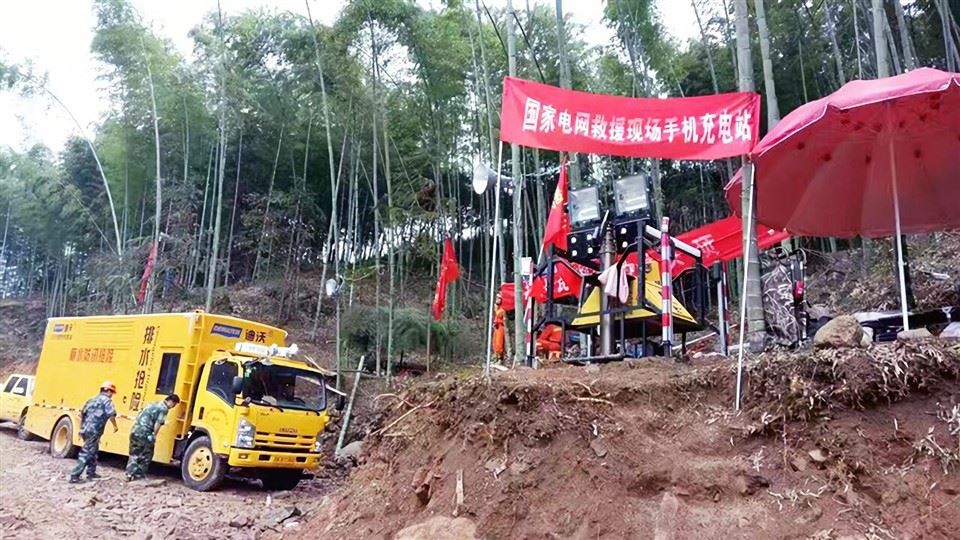
A fire sprinkler system consists of a network of pipes, sprinkler heads, and valves. When a fire is detected, the sprinkler heads activate, releasing water to suppress the fire. The effectiveness of the sprinkler system depends largely on the water pressure and flow rate provided by the fire water supply pump.
Step 1: System Assessment
The first step in integrating a fire water supply pump with a fire sprinkler system is to conduct a thorough assessment of the existing or planned sprinkler system. This assessment should include:
- Flow and Pressure Requirements: Determine the required flow rate and water pressure for the sprinkler system. This information can usually be found in the building's fire protection design documents or can be calculated based on the size and layout of the protected area.
- Water Source: Identify a reliable water source for the fire water supply pump. This could be a municipal water supply, a storage tank, or a natural water body such as a lake or river. The water source must be able to provide an adequate supply of water during a fire event.
- Building Layout: Consider the layout of the building and the location of the sprinkler system. This will help determine the best location for the fire water supply pump and the most efficient routing of the water supply pipes.
Step 2: Selecting the Right Fire Water Supply Pump
Once the system assessment is complete, it's time to select the appropriate fire water supply pump. When choosing a pump, consider the following factors:
- Flow Rate and Pressure: The pump must be capable of delivering the required flow rate and water pressure for the sprinkler system. Make sure to select a pump with a slightly higher capacity than the calculated requirements to account for any potential losses in the system.
- Power Source: Choose a power source that is reliable and suitable for the specific application. Electric pumps are often preferred for indoor installations, while diesel - powered pumps are more commonly used in areas where a reliable electrical supply is not available.
- Pump Type: There are several types of fire water supply pumps available, including centrifugal pumps, positive displacement pumps, and turbine pumps. Centrifugal pumps are the most commonly used type for fire sprinkler systems due to their high flow rate and relatively simple design.
As a Fire Water Supply Pump supplier, we offer a wide range of pumps to meet different requirements. You can explore our Mobile Fire Water Pump Trailer for more flexible and mobile fire - fighting solutions.
Step 3: Installation of the Fire Water Supply Pump
Proper installation of the fire water supply pump is crucial for its efficient and reliable operation. Here are the key steps in the installation process:
- Location: Choose a location for the pump that is easily accessible for maintenance and inspection. The pump should be installed on a level and stable surface, away from sources of heat, vibration, and moisture.
- Piping: Connect the pump to the water source and the sprinkler system using appropriate piping. The pipes should be sized correctly to minimize pressure losses and ensure an adequate flow of water. Use high - quality pipes and fittings that are compatible with the pump and the water source.
- Electrical or Fuel Connections: If the pump is electrically powered, make sure to connect it to a reliable electrical supply. Follow all electrical safety codes and regulations. For diesel - powered pumps, connect the fuel tank and ensure proper ventilation to prevent the buildup of fumes.
Step 4: Integration with the Fire Sprinkler System
Once the fire water supply pump is installed, it's time to integrate it with the fire sprinkler system. This involves the following steps:
- Valve Installation: Install isolation valves between the pump and the sprinkler system to allow for maintenance and testing. These valves should be easily accessible and clearly labeled.
- Control System Connection: Connect the pump to the fire sprinkler system's control panel. The control panel should be able to monitor the pump's operation and activate it automatically in the event of a fire.
- Pressure Regulation: Install pressure regulators to ensure that the water pressure in the sprinkler system remains within the required range. These regulators can help prevent damage to the sprinkler heads and ensure the efficient operation of the system.
Step 5: Testing and Commissioning
After the integration is complete, it's essential to test and commission the system to ensure that it functions correctly. Here are the key steps in the testing and commissioning process:
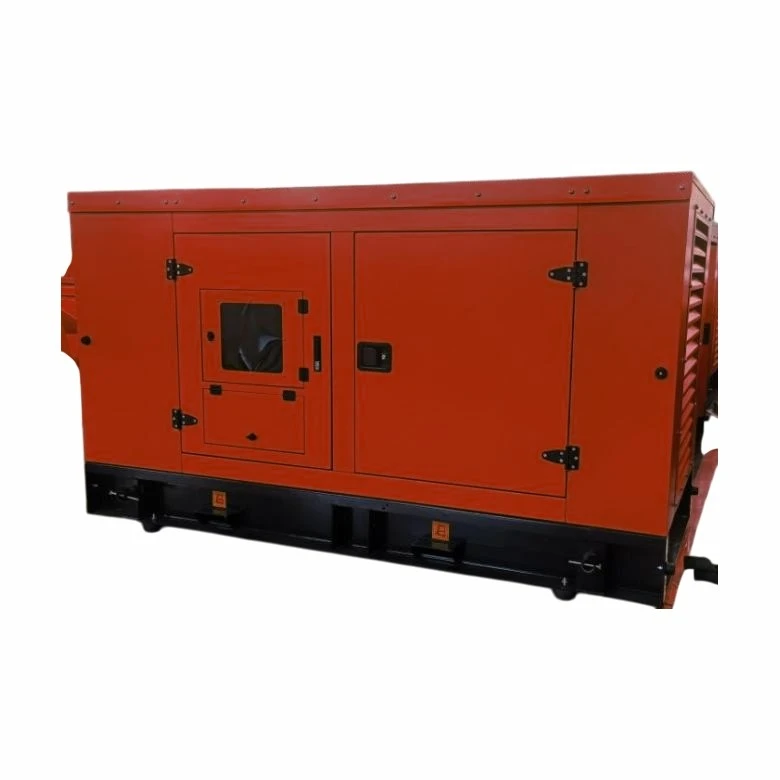
- Pump Testing: Conduct a series of tests on the fire water supply pump to verify its performance. This includes testing the pump's flow rate, water pressure, and power consumption. Make sure to follow the manufacturer's instructions for testing the pump.
- Sprinkler System Testing: Test the entire fire sprinkler system to ensure that all sprinkler heads are working properly and that the water is being distributed evenly. This can be done by activating a test valve or using a flow meter to measure the water flow.
- System Integration Testing: Test the integration between the fire water supply pump and the sprinkler system. This includes simulating a fire event and verifying that the pump activates automatically and provides the required water pressure and flow rate to the sprinkler system.
Step 6: Maintenance and Monitoring
Once the system is commissioned, regular maintenance and monitoring are essential to ensure its continued reliability. Here are some key maintenance tasks:
- Pump Maintenance: Follow the manufacturer's recommended maintenance schedule for the fire water supply pump. This includes regular inspections, lubrication, and replacement of worn parts.
- Sprinkler System Maintenance: Inspect the sprinkler system regularly for any signs of damage or blockage. Clean or replace any clogged sprinkler heads and check the integrity of the pipes and valves.
- System Monitoring: Install a monitoring system to continuously monitor the operation of the fire water supply pump and the sprinkler system. This can help detect any potential problems early and allow for timely repairs.
In addition to fire - fighting equipment, we also offer Disaster Water Drainage Equipment and Tunnel Emergency Drainage Equipment for various emergency situations.
Conclusion
Integrating a fire water supply pump with a fire sprinkler system is a complex but essential process. By following the steps outlined in this blog, you can ensure that your fire protection system is reliable, efficient, and compliant with safety standards. As a Fire Water Supply Pump supplier, we are committed to providing high - quality products and technical support to help you achieve a successful integration. If you have any questions or need assistance with integrating a fire water supply pump with your fire sprinkler system, please feel free to contact us for procurement and further discussions.
References
- National Fire Protection Association (NFPA). NFPA 20: Standard for the Installation of Stationary Pumps for Fire Protection.
- American Society of Mechanical Engineers (ASME). ASME B73.1: Specification for Horizontal End Suction Centrifugal Pumps for Chemical Process.
- International Building Code (IBC). Requirements for Fire Protection Systems in Buildings.