


Hey there! As a supplier of dewatering pump trailers, I've seen firsthand how these bad boys can be a game - changer when it comes to removing water from various sites. Whether it's a construction site, a flooded basement, or an industrial area, a dewatering pump trailer can get the job done efficiently. In this blog, I'm gonna walk you through the steps of installing a dewatering pump trailer.
Step 1: Site Assessment
Before you even think about installing the dewatering pump trailer, you need to assess the site. First off, check the terrain. Is it flat and stable? You don't want your pump trailer tipping over during operation. A flat surface ensures that the pump operates smoothly and reduces the risk of any mechanical issues.
Next, look at the water source. How deep is the water? What's the distance between the water source and the area where you want to discharge the water? This will help you determine the appropriate length of hoses and the power requirements of the pump.
Also, consider the environmental factors. Are there any obstacles around the site? You need to make sure there's enough space for the pump trailer and for you to move around safely. If there are trees, rocks, or other equipment in the way, you might need to clear them before installation.
Step 2: Gather Your Tools and Equipment
Once you've assessed the site, it's time to gather all the tools and equipment you'll need. You'll definitely need a set of wrenches for tightening bolts and nuts. A level is also essential to make sure the pump trailer is installed perfectly horizontal. You'll also need hoses, couplings, and maybe some sealant to prevent any leaks.
Don't forget about safety equipment. Wear safety goggles, gloves, and steel - toed boots. Safety should always be your top priority, especially when working with heavy machinery.
Step 3: Position the Pump Trailer
Now, it's time to position the dewatering pump trailer. Use a forklift or a crane to lift the trailer and place it on the prepared site. Make sure it's centered and aligned with the water source and the discharge area. Use the level to check if the trailer is horizontal. If it's not, adjust the legs of the trailer until it is.
Once the trailer is in position, secure it. You can use stakes or tie - downs to prevent the trailer from moving during operation. This is crucial, especially if you're working in an area with high winds or if the ground is a bit unstable.
Step 4: Connect the Hoses
Connecting the hoses is a critical step. Start by attaching the suction hose to the pump inlet. Make sure the coupling is tight and sealed properly. You can use a wrench to tighten the coupling if needed. Then, connect the discharge hose to the pump outlet. Again, ensure a tight and leak - free connection.
Before you start the pump, check the hoses for any kinks or blockages. A kinked hose can reduce the flow of water and put extra strain on the pump. If you find any blockages, remove them immediately.
Step 5: Electrical and Fuel Connections
If your dewatering pump trailer is powered by electricity, you need to connect it to a suitable power source. Make sure the power source can handle the electrical load of the pump. If you're using a generator, check its capacity and make sure it's in good working condition.
If it's a fuel - powered pump, fill the fuel tank with the appropriate fuel. Check the fuel lines for any leaks. You don't want fuel spilling everywhere, as it's not only a waste but also a fire hazard.
Step 6: Prime the Pump
Priming the pump is necessary to remove any air from the pump and the suction hose. This allows the pump to start drawing water effectively. Most dewatering pumps have a priming port. Fill the priming port with water until it's full. Some pumps may have a self - priming feature, but it's still a good idea to check and make sure.

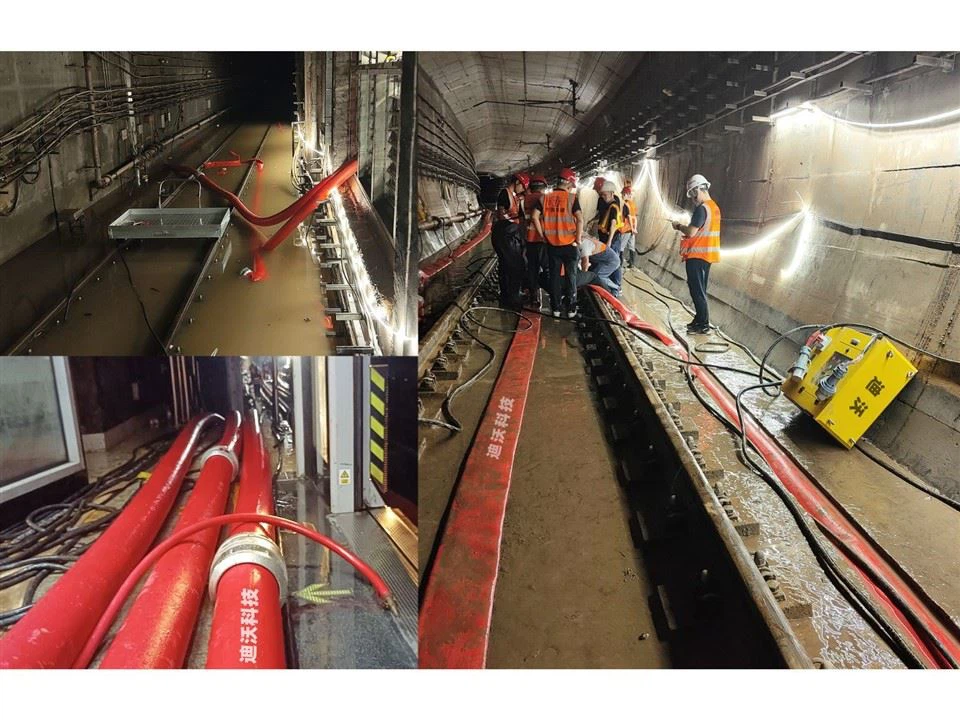
Step 7: Test the Pump
Before you start full - scale operation, it's a good idea to test the pump. Turn on the power or start the engine. Listen for any unusual noises. If the pump is making a grinding or rattling noise, there might be a problem. Check the hoses for any leaks again.
Let the pump run for a few minutes to make sure it's pumping water properly. Monitor the flow rate and the pressure. If everything looks good, you're ready to start dewatering the site.
Step 8: Maintenance and Monitoring
Once the pump is up and running, you need to maintain and monitor it regularly. Check the oil level in the engine if it's a fuel - powered pump. Change the oil and filters according to the manufacturer's recommendations.
Keep an eye on the hoses and connections. Look for any signs of wear and tear. Replace any damaged parts immediately. Also, monitor the water level at the source and the discharge area. If the water level changes significantly, you may need to adjust the pump settings.
Why Our Dewatering Pump Trailers?
We offer high - quality dewatering pump trailers that are built to last. Our trailers are designed with the latest technology to ensure maximum efficiency and reliability. Whether you need a small - scale pump for a residential basement or a large - scale pump for an industrial site, we've got you covered.
If you're also interested in other types of pump vehicles, we have some great options. Check out our Mobile Fire Water Supply Pump Trailer, Flood Control Pump Truck, and Mobile Pumping Station. These products are also top - notch and can meet a variety of needs.
If you're thinking about purchasing a dewatering pump trailer or any of our other products, don't hesitate to contact us. We're here to answer all your questions and help you make the right choice. Our team of experts can provide you with all the information you need and assist you with the installation process if required.
References
- Manufacturer's manual for dewatering pump trailers
- Industry best practices for pump installation and maintenance