



In the field of fluid transfer and drainage, mobile pumping stations play a crucial role. They are widely used in various scenarios such as construction sites, flood - prone areas, and industrial wastewater treatment. However, one of the most common and challenging problems faced by mobile pumping stations is blockage. As a supplier of mobile pumping stations, I understand the importance of improving the anti - blockage ability of these stations. In this blog, I will share some effective ways to enhance the anti - blockage performance of mobile pumping stations.
Understanding the Causes of Blockage
Before we discuss how to improve the anti - blockage ability, it is essential to understand the root causes of blockage in mobile pumping stations. There are several factors that can lead to blockage.

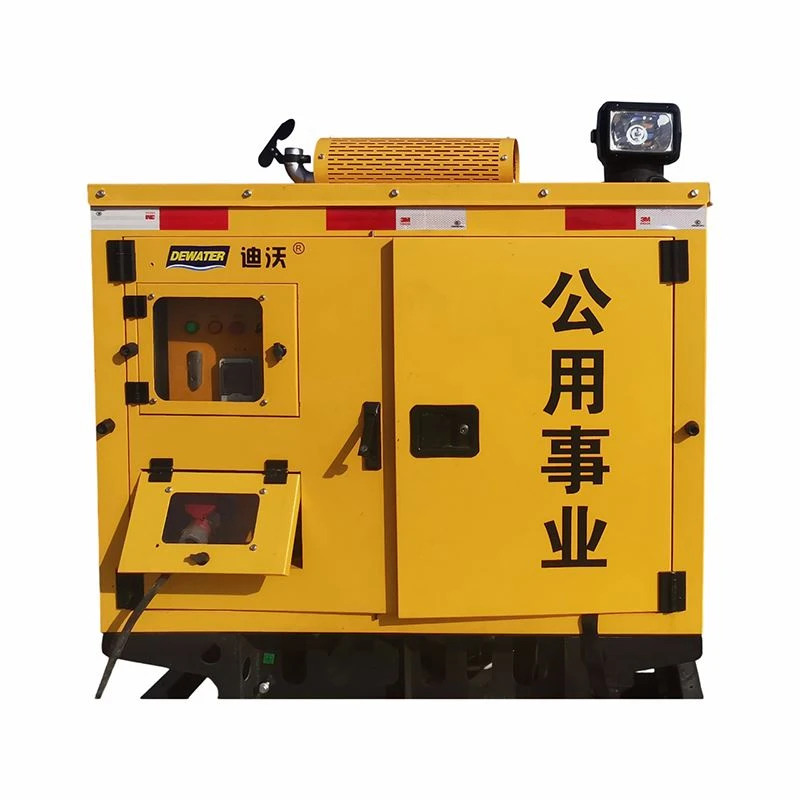
Firstly, the nature of the fluid being pumped is a significant factor. If the fluid contains large solid particles, fibrous materials, or debris, these substances can easily get stuck in the pump impeller, volute, or pipeline. For example, in a construction site, the wastewater may contain sand, gravel, and pieces of wood. In a sewage system, there may be sanitary products, rags, and other non - degradable materials.
Secondly, the design and configuration of the pumping station can also contribute to blockage. A pump with a small passage size is more likely to be blocked than one with a larger passage. In addition, improper installation of the pump, such as incorrect alignment or insufficient clearance between components, can create areas where debris can accumulate.
Selecting the Right Pump Type
One of the most fundamental ways to improve the anti - blockage ability of a mobile pumping station is to select the right pump type. There are several types of pumps available on the market, each with its own advantages and disadvantages in terms of anti - blockage performance.
Centrifugal Pumps with Large Passages
Centrifugal pumps are widely used in mobile pumping stations due to their high efficiency and simplicity. For applications where blockage is a concern, it is advisable to choose centrifugal pumps with large passages. These pumps are designed with wider impeller vanes and volute casings, which allow large solid particles to pass through without getting stuck. For example, some centrifugal pumps are specifically designed with open or semi - open impellers, which provide more space for the passage of debris.
Chopper Pumps
Chopper pumps are another excellent option for improving anti - blockage ability. These pumps are equipped with a cutting mechanism at the inlet, which can shred large solid particles and fibrous materials into smaller pieces before they enter the pump. This significantly reduces the risk of blockage. Chopper pumps are particularly suitable for applications where the fluid contains long - stringy materials or large solid objects, such as in sewage treatment plants and industrial wastewater systems.
Submersible Pumps with Anti - Clogging Features
Submersible pumps are often used in mobile pumping stations because of their compact design and ability to operate underwater. Some submersible pumps are designed with anti - clogging features, such as self - cleaning impellers or special coatings on the pump components. Self - cleaning impellers are designed to rotate in such a way that they prevent debris from accumulating on the impeller surface. Special coatings can reduce the adhesion of debris to the pump components, making it easier for the debris to be washed away.
Implementing Pretreatment Measures
In addition to selecting the right pump type, implementing pretreatment measures can also effectively improve the anti - blockage ability of a mobile pumping station. Pretreatment can remove large solid particles and debris from the fluid before it enters the pump, reducing the load on the pump and minimizing the risk of blockage.
Screening
Screening is one of the most common pretreatment methods. A screen or a strainer can be installed at the inlet of the pumping station to trap large solid particles. Screens can be made of various materials, such as stainless steel or plastic, and they can have different mesh sizes depending on the size of the particles to be removed. For example, a coarse screen with a large mesh size can be used to remove large objects like branches and stones, while a fine screen can be used to remove smaller particles.
Grinder Pumps
Grinder pumps can be used as a pretreatment device in some cases. These pumps are similar to chopper pumps, but they are usually installed upstream of the main pump. Grinder pumps can break down large solid particles into smaller pieces, making it easier for the main pump to handle the fluid.
Sedimentation Tanks
Sedimentation tanks can be used to separate solid particles from the fluid based on their density. The fluid enters the sedimentation tank, and the solid particles settle to the bottom of the tank over time. The clarified fluid can then be pumped out by the mobile pumping station. Sedimentation tanks are particularly useful for applications where the fluid contains a high concentration of suspended solids.
Regular Maintenance and Inspection
Regular maintenance and inspection are essential for ensuring the long - term anti - blockage performance of a mobile pumping station. By performing routine maintenance tasks, we can detect and address potential blockage issues before they become serious problems.
Cleaning the Pump
Regularly cleaning the pump is crucial for preventing blockage. The pump impeller, volute, and other components should be inspected and cleaned to remove any accumulated debris. This can be done by disassembling the pump and using a brush or a high - pressure water jet to clean the components.
Checking the Pipeline
The pipeline connected to the pumping station should also be inspected regularly for blockage. Any signs of reduced flow or pressure can indicate a blockage in the pipeline. If a blockage is detected, the pipeline can be cleared using methods such as flushing with water or using a pipe - cleaning tool.
Monitoring the Pump Performance
Monitoring the performance of the pump is an important part of maintenance. Parameters such as flow rate, pressure, and power consumption should be monitored regularly. Any significant changes in these parameters can indicate a problem with the pump, such as blockage. By detecting these changes early, we can take appropriate measures to prevent further damage to the pump.
Conclusion
Improving the anti - blockage ability of a mobile pumping station is a multi - faceted task that requires careful consideration of pump selection, pretreatment measures, and regular maintenance. As a supplier of Mobile Pumping Station, we are committed to providing high - quality products and solutions to our customers. Our mobile pumping stations are designed with advanced anti - blockage features, and we also offer comprehensive after - sales service to ensure the long - term performance of our products.
If you are looking for a reliable mobile pumping station for your application, whether it is for Drainage Pump Vehicles in Disaster Sites or Mobile Drainage Pump Trailer, please feel free to contact us. We are more than happy to discuss your specific requirements and provide you with the most suitable pumping solution.
References
- Simpson, A. T., & Castledine, B. J. (2006). Pump Handbook. McGraw - Hill Professional.
- Cooper, P. S., & Alley, W. M. (2013). Water Supply and Sewerage. McGraw - Hill Education.
- Tchobanoglous, G., Burton, F. L., & Stensel, H. D. (2003). Wastewater Engineering: Treatment and Reuse. McGraw - Hill.