


Hey there! As a supplier of Emergency Dewatering Pumps, I know how crucial it is to keep these pumps in top - notch condition. A big part of that is regularly checking the motor, which is the heart of the pump. So, let's dive into how to check the motor of an Emergency Dewatering Pump.
Visual Inspection
First things first, start with a visual inspection. This is a simple yet important step. Look for any obvious signs of damage on the motor. Check for cracks in the motor housing. These cracks can let in water or dust, which can seriously mess up the motor's performance. You might also want to look for any loose wires. Loose wires can cause electrical problems, like short - circuits or power outages. If you spot any frayed or damaged wires, it's time to replace them.

Another thing to check visually is the motor's cooling fins. These fins help dissipate heat, and if they're clogged with dirt or debris, the motor can overheat. Use a soft brush to gently clean the fins if you find them dirty. And don't forget to check the mounting bolts. Make sure they're tight. Loose mounting bolts can cause vibrations, which can damage the motor over time.
Electrical Checks
Now, let's move on to the electrical checks. You'll need a multimeter for this part. First, check the resistance of the motor windings. This will tell you if there are any breaks in the windings. Set your multimeter to the resistance setting and touch the probes to the motor terminals. You should get a reading within a certain range, which you can find in the motor's manual. If the reading is way off or shows infinite resistance, there's a problem with the windings.
Next, check the voltage. Make sure the motor is getting the right amount of voltage. If the voltage is too low, the motor might not run properly, and if it's too high, it can damage the motor. Again, use your multimeter to measure the voltage at the motor terminals. Compare the reading with the voltage specified on the motor nameplate.
Also, check the insulation resistance. This is important to prevent electrical shocks. Use an insulation tester to measure the insulation resistance between the motor windings and the motor frame. A low insulation resistance can indicate moisture or damage to the insulation.
Bearing Checks
The bearings in the motor are another critical component. You can check them by listening for any unusual noises. Start the pump and listen carefully. A grinding or squealing noise can be a sign of worn - out bearings. If you hear such noises, it's best to replace the bearings as soon as possible.
You can also check the bearings for play. With the motor turned off, try to move the motor shaft up and down and side to side. There should be very little movement. Excessive play can mean the bearings are damaged.
Temperature Checks
Monitoring the motor's temperature is also vital. You can use an infrared thermometer to measure the surface temperature of the motor. If the motor is running too hot, it can lead to premature failure. The normal operating temperature can vary depending on the motor type, but generally, if the temperature is above 80 - 90 degrees Celsius, there's a problem. High temperatures can be caused by overloading, poor ventilation, or electrical issues.
Lubrication Checks
Some motors require lubrication. Check the motor's manual to see if it has lubrication points. If it does, make sure the lubricant levels are correct. Over - lubrication can be just as bad as under - lubrication. Too much lubricant can cause the motor to overheat, while too little can lead to increased friction and wear.
Performance Checks
Finally, run a performance check. Start the pump and see how it performs. Check the flow rate and pressure. If the pump isn't delivering the expected flow rate or pressure, there could be an issue with the motor. You can compare the actual performance with the pump's specifications.
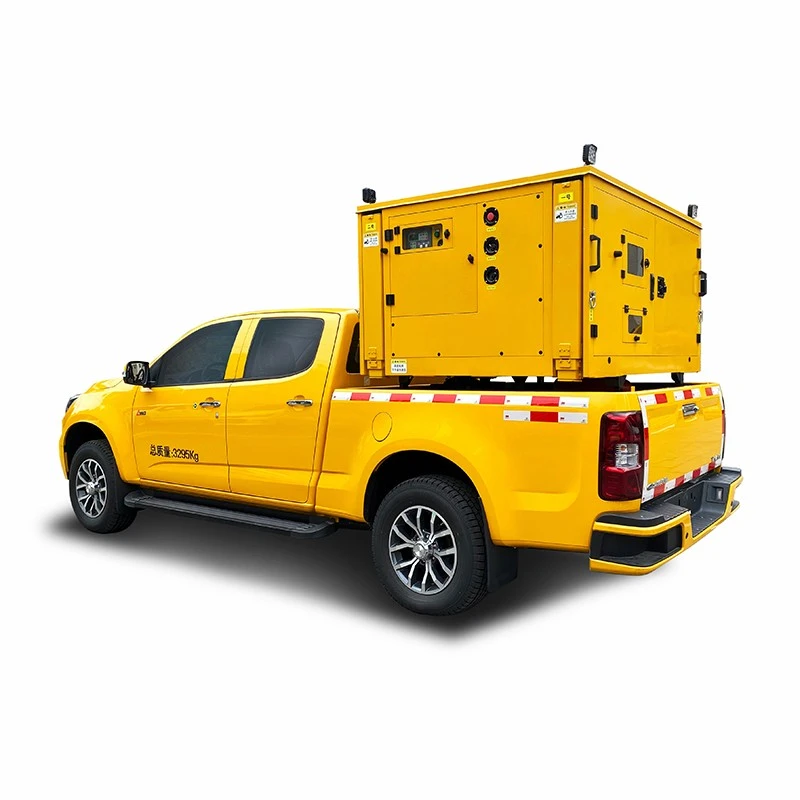
Now, as an Emergency Dewatering Pump supplier, we offer a wide range of pumps to meet different needs. For example, if you're looking for a mobile solution, our Diesel Drainage Pump Truck is a great option. It's powerful and can be easily transported to different locations.
If you're dealing with typhoon - related emergencies, our Typhoon Emergency Drainage Pump is designed to handle large volumes of water quickly and efficiently.
And for agricultural needs, our Agricultural Emergency Water Supply Pump can provide the necessary water supply during emergencies.
If you're interested in any of our products or have questions about motor checks or pump maintenance, don't hesitate to reach out. We're here to help you make the right choice and keep your pumps running smoothly.
References
- Electrical Engineering Handbook, Third Edition
- Pump Handbook, Fourth Edition
- Motor Maintenance and Troubleshooting Guidebooks