


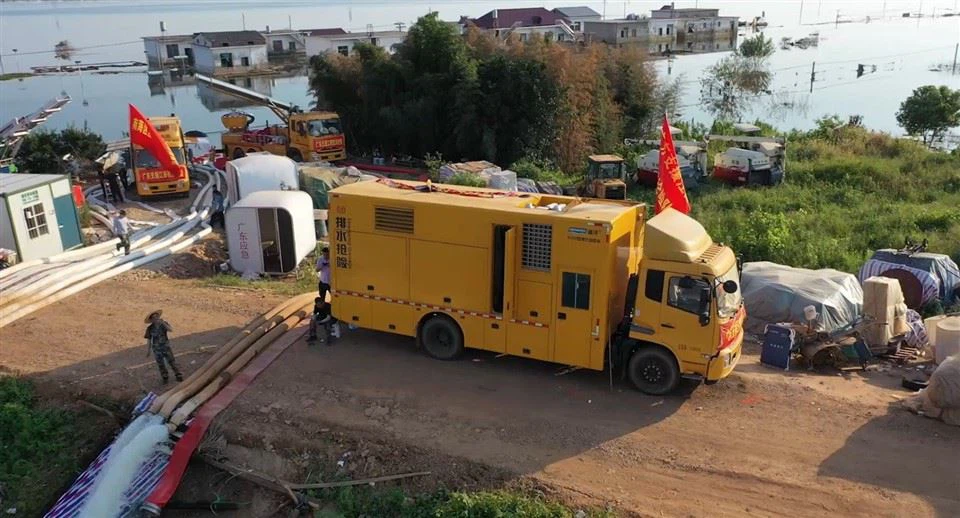
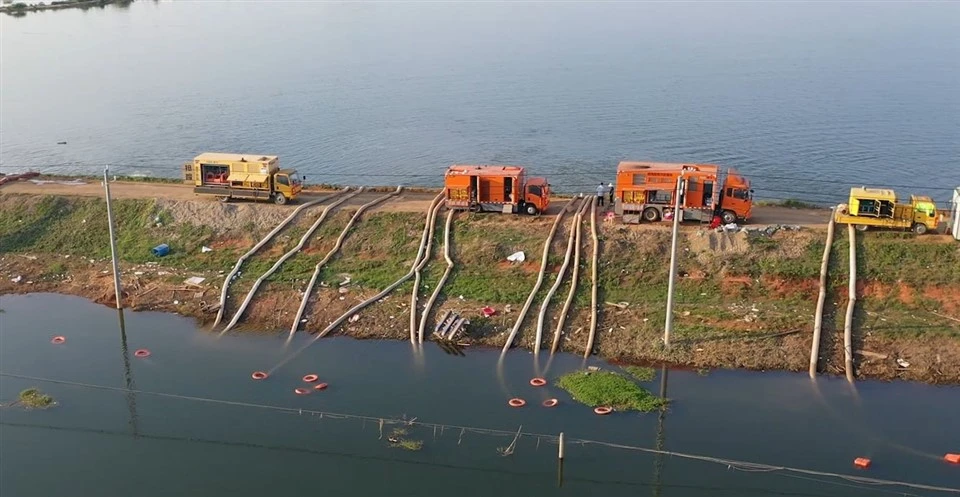
As a supplier of Light Duty Rescue Pump Trucks, ensuring the proper functioning of these vehicles is of utmost importance. One critical aspect that often gets overlooked is the belt tension in the pump system. In this blog post, I'll share with you how to check the belt tension in a light-duty rescue pump truck, which can help maintain the efficiency and longevity of your equipment.
Understanding the Importance of Belt Tension
Before we dive into the checking process, it's essential to understand why proper belt tension is crucial. In a light-duty rescue pump truck, the belts are responsible for transferring power from the engine to the pump. If the belt is too loose, it can slip, resulting in reduced pump performance and potential damage to the belt itself. On the other hand, if the belt is too tight, it can put excessive stress on the bearings and other components, leading to premature wear and tear.
Tools You'll Need
To check the belt tension in your light-duty rescue pump truck, you'll need the following tools:
- Belt tension gauge: This tool measures the tension in the belt and provides an accurate reading.
- Wrench or socket set: You'll need this to adjust the belt tension if necessary.
- Safety glasses and gloves: Always wear safety gear to protect yourself from any potential hazards.
Step-by-Step Guide to Checking Belt Tension
- Locate the Belt: The first step is to locate the belt that you need to check. In a light-duty rescue pump truck, the belt is usually connected to the engine and the pump. Refer to your vehicle's manual if you're having trouble finding it.
- Inspect the Belt: Before checking the tension, visually inspect the belt for any signs of wear, cracks, or damage. If you notice any issues, replace the belt immediately.
- Measure the Belt Tension: Use the belt tension gauge to measure the tension in the belt. Place the gauge on the belt and apply pressure until it reaches the recommended tension specified in your vehicle's manual. Make sure to measure the tension at the midpoint of the longest span of the belt.
- Adjust the Belt Tension: If the belt tension is too loose or too tight, you'll need to adjust it. To do this, loosen the bolts or nuts that hold the belt in place using a wrench or socket set. Then, move the pulley or adjuster to increase or decrease the tension in the belt. Once you've adjusted the tension, tighten the bolts or nuts to secure the belt in place.
- Recheck the Belt Tension: After adjusting the belt tension, recheck it using the belt tension gauge to ensure that it's within the recommended range. If necessary, make further adjustments until the tension is correct.
Tips for Maintaining Proper Belt Tension
- Regular Inspections: Make it a habit to inspect the belt tension in your light-duty rescue pump truck regularly. This will help you catch any issues early on and prevent more significant problems from occurring.
- Follow the Manufacturer's Recommendations: Always refer to your vehicle's manual for the recommended belt tension and adjustment procedures. Different vehicles may have different requirements, so it's essential to follow the manufacturer's guidelines.
- Keep the Belt Clean: Dirt, debris, and oil can cause the belt to slip and reduce its lifespan. Make sure to keep the belt clean by wiping it down regularly with a clean, dry cloth.
- Replace the Belt as Needed: Even with proper maintenance, belts will eventually wear out and need to be replaced. Keep an eye on the condition of the belt and replace it when necessary to ensure the continued performance of your light-duty rescue pump truck.
Conclusion
Checking the belt tension in a light-duty rescue pump truck is a simple but essential maintenance task that can help keep your equipment running smoothly. By following the steps outlined in this blog post and maintaining proper belt tension, you can extend the lifespan of your belts and prevent costly repairs. If you have any questions or need further assistance, don't hesitate to contact us. We're here to help you keep your light-duty rescue pump truck in top condition.
As a leading supplier of Light Duty Rescue Pump Trucks, we also offer a range of related products, including Flood Control Pump Truck, Flooding and Dainage Pump Truck, and Mobile Flood Pump Trailer. If you're interested in learning more about our products or would like to discuss your specific needs, please feel free to contact us. We look forward to working with you.
References
- Vehicle Manufacturer's Manual
- Belt Tension Gauge Instruction Manual