


How to Check the Alignment of the Pump and Motor in a Mobile Drainage Pump Trailer
As a supplier of Mobile Drainage Pump Trailers, I understand the critical importance of ensuring the proper alignment of the pump and motor in these units. Misalignment can lead to a host of problems, including reduced efficiency, increased wear and tear, and even premature failure of the equipment. In this blog post, I will share some practical tips on how to check the alignment of the pump and motor in a Mobile Drainage Pump Trailer.
Why Alignment Matters
Before delving into the alignment checking process, it's essential to understand why proper alignment is so crucial. When the pump and motor are not aligned correctly, it can cause excessive vibration, which in turn can lead to mechanical stress on the components. This stress can result in premature bearing failure, coupling damage, and shaft misalignment, all of which can significantly reduce the lifespan of the equipment and increase maintenance costs. Additionally, misalignment can also lead to reduced pumping efficiency, as the pump may not be able to operate at its optimal performance level.
Tools Required
To check the alignment of the pump and motor, you will need the following tools:
- Dial indicators: These are used to measure the relative position of the pump and motor shafts.
- Straightedge: A straightedge can be used to visually check the alignment of the pump and motor flanges.
- Feeler gauges: Feeler gauges are used to measure the gap between the pump and motor flanges.
- Torque wrench: A torque wrench is used to ensure that the bolts holding the pump and motor in place are tightened to the correct specifications.
Step-by-Step Alignment Checking Process
The following is a step-by-step guide on how to check the alignment of the pump and motor in a Mobile Drainage Pump Trailer:
Step 1: Prepare the Equipment
Before starting the alignment check, make sure that the pump and motor are properly installed and secured to the trailer. Check that all the bolts are tightened to the correct torque specifications and that there are no loose or damaged components.
Step 2: Visual Inspection
Perform a visual inspection of the pump and motor to check for any obvious signs of misalignment. Look for any gaps or unevenness between the pump and motor flanges, as well as any signs of wear or damage on the shafts or couplings. Use a straightedge to check the alignment of the flanges visually.
Step 3: Install the Dial Indicators
Install the dial indicators on the pump and motor shafts. The dial indicators should be positioned perpendicular to the shafts and should be able to measure the radial and axial movement of the shafts. Make sure that the dial indicators are securely attached to the shafts and that they are properly calibrated.
Step 4: Measure the Radial Alignment
To measure the radial alignment, rotate the pump and motor shafts slowly by hand while observing the readings on the dial indicators. The readings should be within the specified tolerance range. If the readings are outside the tolerance range, adjust the position of the pump or motor using shims or other adjustment methods until the readings are within the acceptable range.
Step 5: Measure the Axial Alignment
To measure the axial alignment, use a feeler gauge to measure the gap between the pump and motor flanges. The gap should be uniform around the circumference of the flanges. If the gap is not uniform, adjust the position of the pump or motor until the gap is within the specified tolerance range.
Step 6: Check the Coupling Alignment
In addition to checking the alignment of the pump and motor shafts, it's also important to check the alignment of the coupling. The coupling should be properly aligned and should be able to transmit the torque from the motor to the pump without excessive vibration or stress. Use a straightedge and feeler gauges to check the alignment of the coupling.
Step 7: Recheck the Alignment
After making any adjustments to the pump or motor, recheck the alignment using the dial indicators and feeler gauges. Make sure that the alignment is within the specified tolerance range and that there are no signs of misalignment or excessive vibration.
Step 8: Tighten the Bolts
Once the alignment has been checked and verified, tighten the bolts holding the pump and motor in place to the correct torque specifications using a torque wrench. Make sure that all the bolts are tightened evenly to prevent any further misalignment.
Additional Tips
- Regularly inspect the alignment of the pump and motor: It's important to regularly inspect the alignment of the pump and motor to ensure that it remains within the specified tolerance range. This can help prevent premature wear and tear on the components and can extend the lifespan of the equipment.
- Use the correct shims: When making adjustments to the pump or motor, make sure to use the correct shims. The shims should be made of a high-quality material and should be the correct thickness to ensure proper alignment.
- Follow the manufacturer's instructions: Always follow the manufacturer's instructions when checking the alignment of the pump and motor. The manufacturer's instructions will provide specific guidelines and tolerance ranges for the alignment process.
Conclusion
Proper alignment of the pump and motor in a Mobile Drainage Pump Trailer is essential for ensuring the efficient and reliable operation of the equipment. By following the steps outlined in this blog post and using the right tools, you can easily check the alignment of the pump and motor and make any necessary adjustments to ensure that it remains within the specified tolerance range. If you have any questions or need further assistance with checking the alignment of your Mobile Drainage Pump Trailer, please don't hesitate to contact us for procurement and negotiation. Our team of experts is always ready to help you with your drainage pump needs.
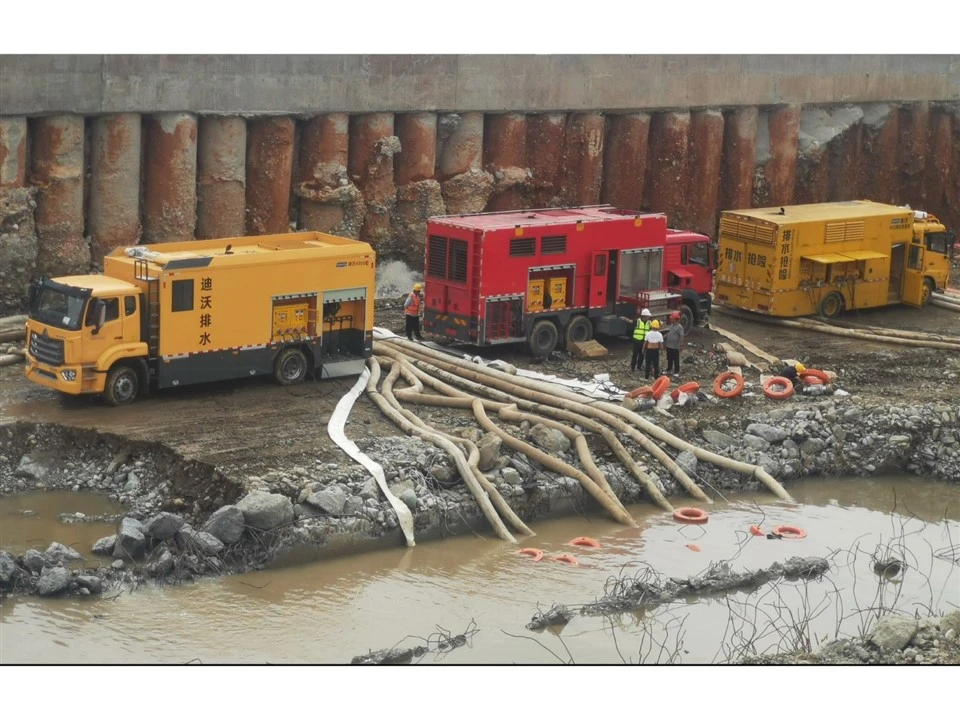
In addition to Mobile Drainage Pump Trailers, we also offer a wide range of other drainage pump vehicles, including Flooding and Dainage Pump Truck, Engineering Water Drainage Rescue Vehicles, and Mobile Pump Drainage Rescue Trucks. These vehicles are designed to provide efficient and reliable drainage solutions for a variety of applications, including flood control, construction sites, and industrial facilities.
References
- "Pump Installation and Alignment Guide," XYZ Pump Company
- "Motor and Pump Alignment Best Practices," ABC Motor Corporation