


Hey there! As a supplier of Trailer Mounted Pumps, I often get asked about how to adjust the pressure settings of these pumps. It's a crucial aspect that can significantly impact the performance of the pump in various applications, whether it's for Engineering Water Drainage Rescue Vehicles, Mobile Pumping Station, or Mobile Drainage Pump Station. So, let's dive right in and break it down step by step.
Understanding the Basics
First things first, you gotta understand what the pressure settings on a trailer - mounted pump actually do. The pressure of a pump determines how forcefully the fluid (usually water) is pushed through the system. Higher pressure means the water can be sent over longer distances or lifted to greater heights. On the other hand, lower pressure is suitable for situations where you just need a steady flow without too much force.
The pressure of a trailer - mounted pump is usually measured in pounds per square inch (PSI) or bars. Most pumps come with a pressure gauge that shows you the current pressure. Before you start adjusting anything, take a look at this gauge to get an idea of where you're starting from.
Safety First
Before you even think about adjusting the pressure settings, safety should be your top priority. Make sure the pump is turned off and disconnected from any power source. Wear appropriate safety gear, like gloves and safety glasses. You don't want to get splashed with water or have any parts flying at you if something goes wrong.
Locating the Pressure Adjustment Mechanism
Different trailer - mounted pumps have different ways of adjusting the pressure. Some pumps have a simple knob or screw that you can turn to increase or decrease the pressure. Others might have a more complex system with a control panel or a digital interface.

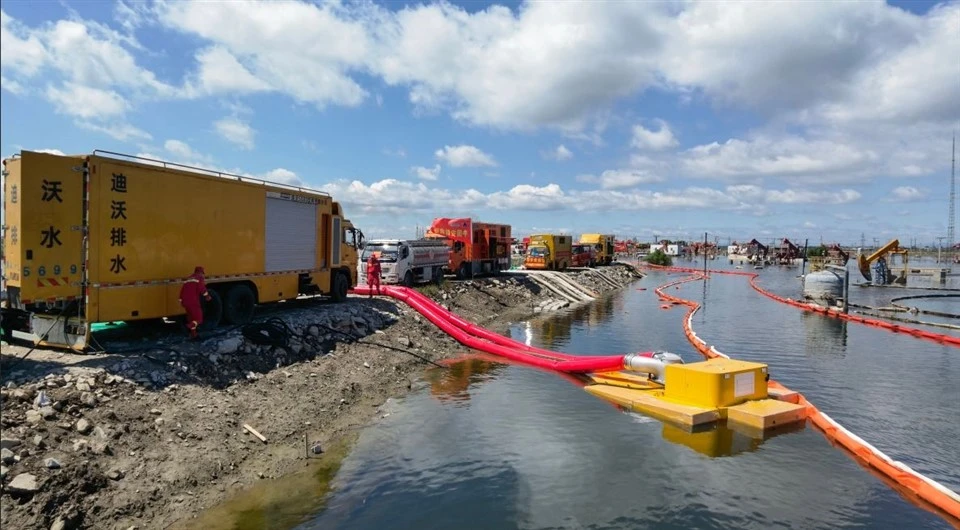
If you're not sure where the pressure adjustment mechanism is, check the pump's manual. It should have a detailed diagram and instructions on how to find and use it. If you've lost the manual, don't worry. You can usually find a digital copy on the manufacturer's website.
Making the Adjustment
Once you've located the pressure adjustment mechanism, it's time to start making changes. Here's a general guide on how to do it:
For Knob or Screw - Type Adjustments
- Turn the Knob or Screw Slowly: If you're increasing the pressure, turn the knob or screw clockwise. If you're decreasing it, turn it counter - clockwise. Make small adjustments at a time, about a quarter - turn at most.
- Check the Pressure Gauge: After each adjustment, wait a few seconds for the pressure to stabilize and then check the gauge. This way, you can see the effect of your adjustment.
- Repeat Until You Reach the Desired Pressure: Keep making small adjustments and checking the gauge until you get the pressure you need.
For Control Panel or Digital Interface Adjustments
- Access the Pressure Settings Menu: On the control panel or digital interface, look for a menu option related to pressure settings. It might be labeled something like "Pressure Adjust" or "Pump Pressure".
- Use the Up and Down Arrows: Once you're in the pressure settings menu, use the up and down arrows to increase or decrease the pressure. Just like with the knob or screw method, make small changes at a time.
- Confirm Your Selection: After you've set the desired pressure, look for a "Confirm" or "Enter" button to save your settings.
Testing the Pump
After you've adjusted the pressure settings, it's time to test the pump. Reconnect the power source and turn the pump on. Let it run for a few minutes and observe how it's performing. Check the pressure gauge again to make sure the pressure remains stable.
If the pump is making strange noises or the pressure is fluctuating, there might be a problem. In this case, turn off the pump immediately and double - check your adjustments. If you're still having issues, it might be a good idea to call a professional for help.
Factors to Consider
When adjusting the pressure settings of a trailer - mounted pump, there are a few factors you need to keep in mind:
The Type of Fluid
Different fluids have different viscosities, which can affect the pump's performance. For example, pumping thick sludge will require more pressure than pumping clean water. Make sure you adjust the pressure according to the type of fluid you're pumping.
The Distance and Height
If you need to pump the fluid over a long distance or to a high elevation, you'll need to increase the pressure. On the other hand, if the distance is short and the elevation is low, you can use a lower pressure.
The Pipe Size
The size of the pipes in your system also matters. Smaller pipes will require more pressure to maintain a good flow rate, while larger pipes can handle lower pressures.
Troubleshooting
Sometimes, you might run into problems when adjusting the pressure settings. Here are some common issues and how to fix them:
Pressure Not Changing
If you're turning the adjustment knob or screw and the pressure isn't changing, there could be a blockage in the system. Check the pipes and valves for any obstructions and clear them if necessary. It's also possible that the adjustment mechanism is damaged. In this case, you'll need to replace it.
Pressure Fluctuating
If the pressure is fluctuating, it could be due to air in the system. Try bleeding the air out of the pump and pipes. You can do this by opening a valve at the highest point in the system and letting the air escape until only water comes out.
Conclusion
Adjusting the pressure settings of a trailer - mounted pump isn't rocket science, but it does require a bit of knowledge and caution. By following the steps outlined in this blog, you should be able to adjust the pressure settings to meet your specific needs.
If you're in the market for a high - quality trailer - mounted pump or need more information on pressure adjustment or any other aspect of pump operation, don't hesitate to reach out. We're here to help you make the most of your pumping system. Whether it's for Engineering Water Drainage Rescue Vehicles, Mobile Pumping Station, or Mobile Drainage Pump Station, we've got the expertise and the products to meet your requirements. Contact us today to start a conversation about your pumping needs.
References
- Manufacturer's manuals for trailer - mounted pumps
- Industry standards and guidelines for pump operation and pressure adjustment