


Hey there! I'm a supplier of Trailer Mounted Pumps, and today I'm gonna share with you how to adjust the flow rate of a trailer mounted pump. It's a crucial skill, especially when you're dealing with different pumping needs, like water drainage or flooding control.
First off, let's understand what flow rate is. Flow rate, in simple terms, is the volume of fluid that passes through the pump in a given amount of time. It's usually measured in gallons per minute (GPM) or cubic meters per hour (m³/h). The right flow rate is super important. If it's too low, you won't be able to move enough water, and if it's too high, you might damage the pump or the piping system.
Understanding Your Pump
Before you start adjusting the flow rate, you need to know your pump inside out. Different trailer mounted pumps have different features and capabilities. Some pumps are designed for high - flow, low - pressure applications, like Water Drainage Pump Truck, which is great for quickly removing large volumes of water from a relatively flat area. Others are better for low - flow, high - pressure tasks, such as Flooding Control Pickup, which can pump water up to higher elevations or through long pipes.

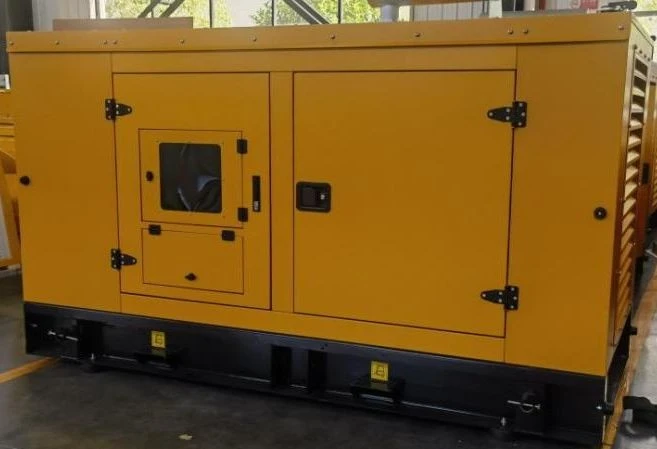
Check the pump's manual. It's your best friend when it comes to understanding the pump's specifications, including the maximum and minimum flow rates it can handle. The manual will also tell you about the pump's impeller size, motor power, and other important details that can affect the flow rate.
Adjusting the Flow Rate
1. Throttle Control
One of the simplest ways to adjust the flow rate is by using the throttle control. Most trailer mounted pumps have a throttle lever that you can move to increase or decrease the engine speed. When you increase the engine speed, the pump's impeller spins faster, which generally increases the flow rate. However, be careful not to over - rev the engine, as this can cause excessive wear and tear and may even damage the pump.
For example, if you're using a Mobile Pumping Station and you need to increase the flow rate to quickly drain a large pool of water, you can gently push the throttle lever forward. But keep an eye on the engine's RPM (revolutions per minute) gauge to make sure you're within the safe operating range.
2. Valve Adjustment
Another common method is to adjust the valves in the pumping system. There are usually two types of valves: suction valves and discharge valves.
The suction valve controls the amount of fluid that enters the pump. If you close the suction valve partially, it restricts the flow of fluid into the pump, which in turn reduces the flow rate. On the other hand, opening the suction valve fully allows more fluid to enter the pump, increasing the flow rate.
The discharge valve, located on the outlet side of the pump, controls the flow of fluid out of the pump. Closing the discharge valve increases the pressure inside the pump and reduces the flow rate. Opening it allows the fluid to flow out more freely, increasing the flow rate.
For instance, if you're pumping water into a tank and you want to slow down the filling process, you can close the discharge valve slightly.
3. Impeller Change
In some cases, you may need to change the impeller to adjust the flow rate. The impeller is the rotating part of the pump that creates the centrifugal force to move the fluid. Different impellers have different sizes and blade designs, which can significantly affect the pump's flow rate and pressure.
If you need a higher flow rate, you can install a larger impeller or an impeller with a more aggressive blade design. However, changing the impeller is a more advanced procedure and may require some technical knowledge. Make sure you follow the manufacturer's instructions carefully.
Factors Affecting Flow Rate Adjustment
1. Fluid Viscosity
The viscosity of the fluid being pumped can have a big impact on the flow rate. Viscous fluids, like oil or sludge, are thicker and more resistant to flow than water. When pumping a viscous fluid, you may need to adjust the pump settings differently to achieve the desired flow rate. For example, you may need to increase the engine speed or use a larger impeller.
2. Pipe Diameter and Length
The diameter and length of the pipes in the pumping system also affect the flow rate. A smaller pipe diameter creates more friction, which reduces the flow rate. Similarly, a longer pipe increases the resistance to flow. If you're using long or narrow pipes, you may need to adjust the pump to compensate for the additional resistance.
3. Elevation
The elevation difference between the source of the fluid and the discharge point can affect the flow rate. Pumping water uphill requires more energy and may reduce the flow rate. You may need to increase the pump's pressure or flow rate to overcome the gravitational force.
Troubleshooting Flow Rate Issues
Sometimes, you may encounter problems when trying to adjust the flow rate. Here are some common issues and how to fix them:
1. Low Flow Rate
- Clogged Suction Line: Check the suction line for any blockages, such as debris or sediment. Clean the suction strainer if necessary.
- Air Leaks: Air leaks in the suction line can cause a loss of prime and reduce the flow rate. Inspect the suction line for any cracks or loose connections and repair them.
- Worn Impeller: If the impeller is worn out, it may not be able to create enough centrifugal force to move the fluid. Replace the impeller if needed.
2. High Flow Rate
- Excessive Engine Speed: Reduce the engine speed using the throttle control. Make sure you're operating the pump within the recommended RPM range.
- Open Valves: Check that all the valves in the system are properly adjusted. If a valve is fully open when it shouldn't be, it can cause a high flow rate.
Conclusion
Adjusting the flow rate of a trailer mounted pump is a skill that can be mastered with a little practice and knowledge. By understanding your pump, using the right adjustment methods, and considering the factors that affect flow rate, you can ensure that your pump operates efficiently and effectively.
If you're in the market for a high - quality trailer mounted pump or need more advice on flow rate adjustment, don't hesitate to reach out. We're here to help you find the perfect pump for your needs and ensure that you get the most out of it. Whether it's for water drainage, flooding control, or any other pumping application, we've got you covered.
References
- Pump Manufacturer's Manuals
- Industry Standards for Pumping Systems