


Hey there! I'm a supplier of drainage pump vehicles, and today I wanna share with you how to adjust the flow rate of a drainage pump vehicle. It's a pretty crucial skill, whether you're dealing with normal water drainage jobs or emergency situations.
First off, let's understand why adjusting the flow rate matters. Different tasks require different flow rates. For instance, when you're dealing with a small - scale flood in a basement, you might not need a super - high flow rate. But if you're trying to drain a large area like a flooded construction site or a disaster - hit region, a higher flow rate could be necessary.
Factors Affecting the Flow Rate
Before we get into the adjustment methods, it's important to know what factors can influence the flow rate of a drainage pump vehicle.
- Pump Type: There are various types of pumps used in drainage pump vehicles, such as centrifugal pumps and positive displacement pumps. Centrifugal pumps are commonly used because they can handle large volumes of water at relatively high flow rates. Positive displacement pumps, on the other hand, are better for applications where a constant flow rate is needed, regardless of the pressure.
- Pipe Diameter: The diameter of the pipes connected to the pump plays a significant role. Larger diameter pipes generally allow for a higher flow rate because there's less resistance to the flow of water. However, you also need to consider the capacity of the pump to fill the larger pipes.
- Pump Speed: The rotational speed of the pump impeller affects the flow rate. Faster speeds usually result in a higher flow rate, but there are limits to how fast you can run the pump without causing damage.
Methods to Adjust the Flow Rate
1. Changing the Pump Speed
One of the most common ways to adjust the flow rate is by changing the speed of the pump. Most modern drainage pump vehicles have adjustable speed controls.
- Using a Variable Frequency Drive (VFD): A VFD is a device that can control the speed of an electric motor. By adjusting the frequency of the electrical power supplied to the pump motor, you can change the speed of the pump. For example, if you need a lower flow rate, you can reduce the frequency, which in turn slows down the pump. On the other hand, increasing the frequency will speed up the pump and increase the flow rate. This method is quite precise and allows for fine - tuning of the flow rate.
- Mechanical Speed Adjustment: Some older or simpler drainage pump vehicles may use mechanical means to adjust the speed. This could involve changing the pulley sizes on the pump drive system. A smaller pulley on the motor and a larger pulley on the pump will result in a slower pump speed and a lower flow rate. Conversely, a larger pulley on the motor and a smaller pulley on the pump will increase the pump speed and the flow rate.
2. Throttling the Discharge Valve
Another way to adjust the flow rate is by throttling the discharge valve. The discharge valve is located at the outlet of the pump and controls the amount of water that is allowed to flow out.
- Partially Closing the Valve: If you close the discharge valve partially, it creates more resistance to the flow of water, which reduces the flow rate. However, you need to be careful not to close the valve too much, as this can cause excessive pressure build - up inside the pump, which may damage the pump or the pipes. It's a bit of a balancing act, and you may need to make small adjustments and monitor the flow rate and pressure.
3. Changing the Impeller
In some cases, you may need to change the impeller of the pump to adjust the flow rate. The impeller is the rotating part of the pump that moves the water.
- Selecting a Different Impeller Size: A larger impeller generally results in a higher flow rate because it can move more water with each rotation. If you need a lower flow rate, you can install a smaller impeller. However, changing the impeller is a more involved process and may require some technical expertise. You also need to make sure that the new impeller is compatible with the pump and the motor.
Practical Tips for Adjusting the Flow Rate
- Monitor the Pressure: While adjusting the flow rate, it's important to monitor the pressure inside the pump and the pipes. Excessive pressure can lead to leaks, pipe bursts, or pump damage. Use pressure gauges to keep an eye on the pressure and make adjustments accordingly.
- Test and Adjust: Don't be afraid to make small adjustments and test the flow rate. You can use flow meters to measure the flow rate accurately. Make a note of the adjustments you make and the corresponding changes in the flow rate, so you can learn from your experience and make more precise adjustments in the future.
- Consider the Application: Always consider the specific application when adjusting the flow rate. For example, if you're draining water from a contaminated area, you may need to adjust the flow rate to ensure that the water is being treated properly before it's discharged.
Our Drainage Pump Vehicles
As a supplier of drainage pump vehicles, we offer a wide range of products to meet your needs. Our Mobile Drainage Pump Trailer is perfect for situations where you need a portable and easy - to - move drainage solution. It's equipped with high - quality pumps and adjustable flow rate controls, so you can easily adjust the flow rate according to your requirements.
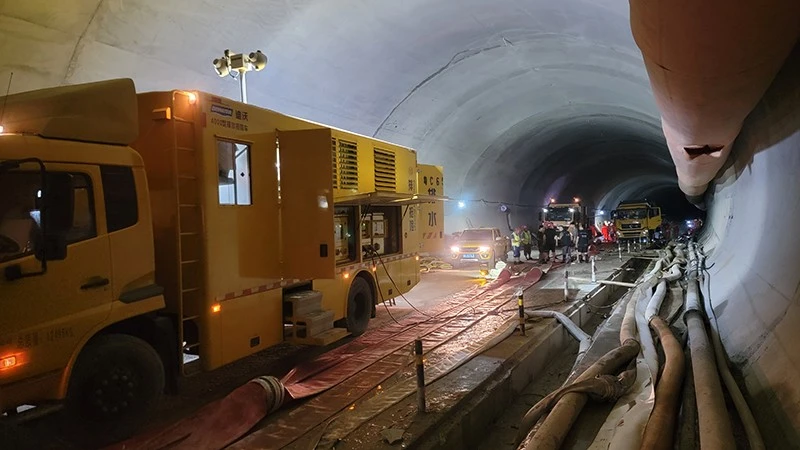
If you're dealing with disaster sites, our Drainage Pump Vehicles in Disaster Sites are designed to handle large - scale water drainage tasks. These vehicles are built to be rugged and reliable, and they can be adjusted to provide the optimal flow rate for different disaster scenarios.
For more heavy - duty applications, our Dewatering Pump Truck is a great choice. It has a powerful pump and advanced flow rate adjustment features, allowing you to handle even the most challenging drainage jobs.

Contact Us for Purchase and Consultation
If you're interested in our drainage pump vehicles or have any questions about adjusting the flow rate, we'd love to hear from you. Whether you're a contractor, a municipality, or an emergency response team, we can provide you with the right solution for your water drainage needs. Just reach out to us, and our team of experts will be happy to assist you.
References
- "Pump Handbook" by Igor J. Karassik et al.
- Technical manuals of various drainage pump vehicle manufacturers.