


Mobile flood relief systems are crucial assets in mitigating the impacts of flooding. As a supplier of these systems, I understand the importance of proper maintenance to ensure their reliability and effectiveness when needed most. In this blog, I will discuss how often mobile flood relief systems should be maintained, considering various factors that influence maintenance intervals.
Understanding Mobile Flood Relief Systems
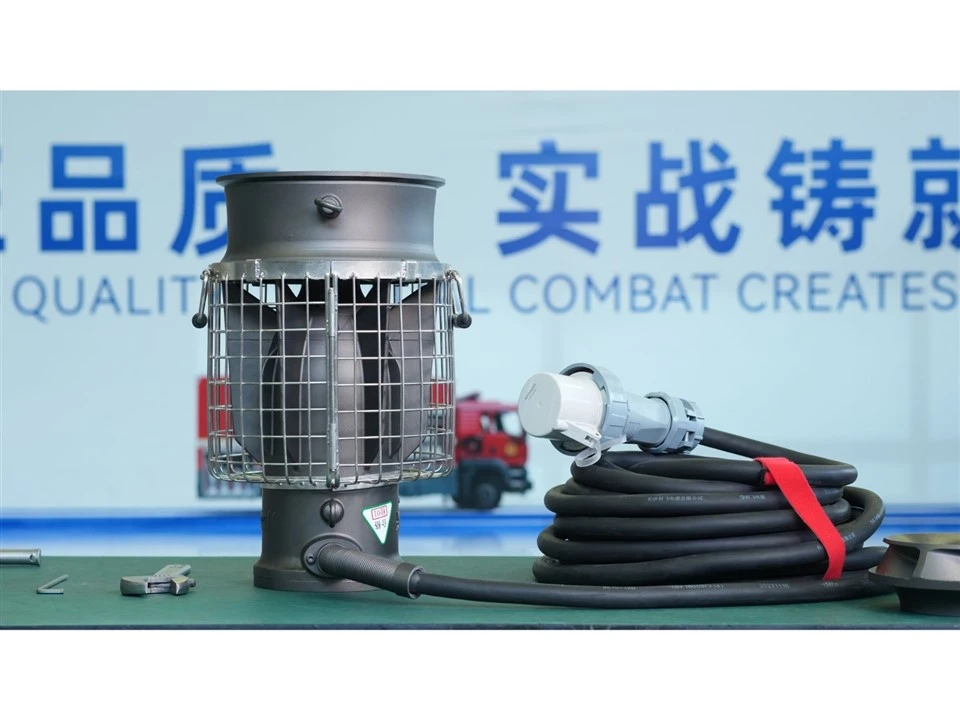
Mobile flood relief systems encompass a range of equipment designed to quickly respond to flood events. These may include Emergency Dewatering Pump, Large Flow Mobile Pump Station, and Fire Water Supply Pump. Each type of equipment has its own specific functions and requirements, but all share the common goal of removing water from flooded areas or providing water for firefighting and other emergency needs.

Factors Influencing Maintenance Intervals
Several factors determine how often mobile flood relief systems should be maintained. These factors can be broadly categorized into equipment - related factors, environmental factors, and usage factors.
Equipment - Related Factors
- Age of the Equipment: Newer equipment generally requires less frequent maintenance compared to older models. As equipment ages, its components are more likely to wear out, and the risk of breakdowns increases. For example, a brand - new emergency dewatering pump may only need basic inspections and minor maintenance every six months, while a pump that is five years old might require more in - depth maintenance every three months.
- Complexity of the System: More complex systems with multiple components and advanced technologies need more frequent maintenance. A large - flow mobile pump station, which may consist of multiple pumps, control systems, and power units, requires more attention than a simple single - pump dewatering system. The complexity increases the number of potential failure points, so regular maintenance is essential to identify and address any emerging issues.
Environmental Factors
- Operating Conditions: If the mobile flood relief systems are used in harsh environments, such as areas with high levels of sediment, corrosive substances, or extreme temperatures, they will need more frequent maintenance. For instance, pumps used in coastal areas where the water is salty are more prone to corrosion. In such cases, monthly inspections and maintenance may be necessary to prevent damage to the pump's components.
- Storage Conditions: Improper storage can also affect the maintenance requirements. If the equipment is stored in a damp or dirty environment, it can lead to rust, mold growth, and other problems. Systems stored in a well - ventilated, dry, and clean facility are likely to need less frequent maintenance than those stored in sub - optimal conditions.
Usage Factors
- Frequency of Use: The more often the mobile flood relief system is used, the more frequently it should be maintained. A system that is used multiple times during a flood season will experience more wear and tear compared to one that is only used occasionally. For example, a fire water supply pump that is used regularly for training exercises as well as actual emergencies will require more frequent maintenance checks to ensure its reliability.
- Duration of Use: Long - term continuous use can also take a toll on the equipment. If a pump is run for extended periods during a major flood event, it may need immediate post - use maintenance and more in - depth inspections in the following weeks.
General Maintenance Intervals
Based on the above factors, here are some general guidelines for maintaining different types of mobile flood relief systems:
Emergency Dewatering Pump
- New Pumps (less than 1 year old): Monthly visual inspections to check for any signs of damage or leaks. A more comprehensive maintenance, including checking the impeller, motor, and seals, should be done every six months.
- Pumps between 1 - 3 years old: Weekly visual inspections, and in - depth maintenance every three months. This may involve testing the pump's performance, lubricating moving parts, and replacing any worn - out components.
- Pumps over 3 years old: Weekly inspections and maintenance every two months. Special attention should be paid to the motor, as it is one of the most critical components of the pump.
Large Flow Mobile Pump Station
- New Station (less than 1 year old): Weekly visual inspections of all components, including pumps, control panels, and power units. A full - scale maintenance, which includes system calibration, component testing, and fluid checks, should be carried out every four months.
- Station between 1 - 3 years old: Daily visual checks of key components, and comprehensive maintenance every two months. This may involve replacing filters, checking electrical connections, and testing the backup power system.
- Station over 3 years old: Daily inspections and maintenance every month. At this stage, it is important to closely monitor the performance of all components and be prepared to replace major parts if necessary.
Fire Water Supply Pump
- New Pump (less than 1 year old): Bi - weekly visual inspections and a full maintenance check every six months. This includes checking the pump's pressure, flow rate, and the integrity of the fire - fighting hoses.
- Pump between 1 - 3 years old: Weekly inspections and maintenance every three months. The pump's performance should be tested regularly, and the fire - suppression system should be checked for any blockages or malfunctions.
- Pump over 3 years old: Weekly inspections and maintenance every two months. Special attention should be given to the pump's ability to deliver the required water pressure for firefighting purposes.
Importance of Regular Maintenance
Regular maintenance of mobile flood relief systems offers several benefits:
- Reliability: Ensuring that the systems are in good working condition when needed is of utmost importance. During a flood or fire emergency, there is no room for equipment failure. Regular maintenance reduces the risk of breakdowns and increases the reliability of the systems.
- Longevity: Proper maintenance extends the lifespan of the equipment. By replacing worn - out parts, lubricating moving components, and preventing corrosion, the system can continue to function effectively for many years, providing a better return on investment.
- Safety: Well - maintained equipment is safer to operate. For example, a properly maintained fire water supply pump reduces the risk of accidents during firefighting operations, protecting both the operators and the public.
Conclusion
Determining how often mobile flood relief systems should be maintained is not a one - size - fits - all answer. It depends on a variety of factors, including the age of the equipment, environmental conditions, and usage patterns. By following the general guidelines outlined above and considering these factors, users can ensure that their mobile flood relief systems are in optimal condition when an emergency strikes.
As a supplier of mobile flood relief systems, I am committed to providing high - quality products and supporting our customers with maintenance advice and services. If you are interested in purchasing our Emergency Dewatering Pump, Large Flow Mobile Pump Station, or Fire Water Supply Pump, or if you have any questions about maintenance or other aspects of our products, please feel free to contact us for a purchase negotiation. We look forward to working with you to enhance your flood and emergency response capabilities.
References
- American Society of Mechanical Engineers (ASME). Standards for Pump Maintenance.
- National Fire Protection Association (NFPA). Guidelines for Fire Water Supply Systems.
- Manufacturer's Manuals for Mobile Flood Relief Equipment.