


As a supplier of Emergency Dewatering Pumps, I often get asked the question: How often should an Emergency Dewatering Pump be maintained? This is a crucial question because proper maintenance not only ensures the pump's long - term performance but also its reliability when it's most needed during an emergency.
The Importance of Regular Maintenance
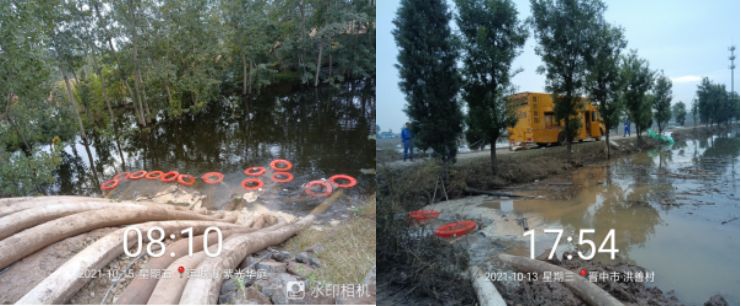
Emergency dewatering pumps are designed to handle unexpected water removal situations, such as urban waterlogging, dam and lake drainage emergencies, and other flood - related scenarios. For instance, an Urban Waterlogging Drainage Pump is essential for quickly draining water from flooded city streets, preventing damage to infrastructure and property. Similarly, a Dam Lake Drainage Emergency Pump can be a lifesaver during heavy rainfall when the water level in a dam or lake rises dangerously.
Regular maintenance of these pumps is like giving them a health check - up. It helps in identifying and fixing potential problems before they turn into major breakdowns. A well - maintained pump is less likely to fail during an emergency, which can save lives and reduce economic losses.
Factors Affecting Maintenance Frequency
The frequency of maintaining an Emergency Dewatering Pump depends on several factors. One of the primary factors is the usage of the pump. If a pump is used frequently, it will naturally require more maintenance compared to a pump that is only used occasionally. For example, a pump that is used for regular flood control in an area prone to heavy rainfall will need more attention than a pump that is kept as a standby for rare emergencies.
The operating environment also plays a significant role. Pumps operating in harsh conditions, such as in areas with high levels of sediment, corrosive chemicals, or extreme temperatures, will need more frequent maintenance. Sediment can cause abrasion inside the pump, while corrosive chemicals can damage the pump's components over time. Extreme temperatures can affect the performance of the pump's seals and lubricants.
The type and model of the pump are other important factors. Different pumps have different design features and components, which can influence their maintenance requirements. Some pumps may have more complex mechanisms that require more frequent inspections and servicing.
General Maintenance Schedule Guidelines
Based on industry standards and our experience as a Emergency Dewatering Pump supplier, here are some general guidelines for maintenance frequency:
Daily Checks
For pumps that are in continuous or frequent use, daily checks are recommended. These checks should include visual inspections of the pump for any signs of leaks, damage, or abnormal vibrations. The operator should also check the pump's fluid levels, such as the oil level in the engine (if it's a diesel - powered pump) and the coolant level. Additionally, the suction and discharge hoses should be inspected for any signs of wear or blockages.
Weekly Checks
On a weekly basis, a more in - depth inspection should be carried out. This includes checking the pump's electrical connections (if it's an electric - powered pump) for tightness and signs of corrosion. The pump's filters should also be inspected and cleaned or replaced if necessary. For pumps with belts or couplings, the tension and alignment should be checked to ensure proper operation.
Monthly Checks
Monthly maintenance involves more comprehensive tasks. The pump's performance should be tested to ensure that it is operating at its rated capacity. This can be done by measuring the flow rate and pressure of the pump. The pump's impeller should be inspected for wear and damage, as a worn impeller can significantly reduce the pump's efficiency. The pump's seals should also be checked for leaks and replaced if they are worn out.

Quarterly Checks
Quarterly maintenance is a more thorough process. The pump's engine (if applicable) should be serviced according to the manufacturer's recommendations. This may include changing the oil, replacing the air filter, and inspecting the spark plugs (for gasoline - powered engines). The pump's bearings should be lubricated, and their condition should be checked for any signs of wear or damage.
Annual Checks
An annual maintenance check is a major overhaul of the pump. All the pump's components should be disassembled, inspected, and cleaned. Any worn or damaged parts should be replaced. The pump's alignment should be checked and adjusted if necessary. The pump should also be repainted if the paint has worn off, as this can help prevent corrosion.
Importance of Following Manufacturer's Recommendations
It is crucial to follow the manufacturer's maintenance recommendations for your Emergency Dewatering Pump. The manufacturer has the most in - depth knowledge of the pump's design and components, and their recommendations are based on extensive testing and research. Deviating from these recommendations can void the pump's warranty and may lead to premature failure of the pump.
In addition to the regular maintenance schedule, it is also important to keep detailed records of all maintenance activities. These records can help in tracking the pump's maintenance history, identifying any recurring problems, and planning for future maintenance.
Conclusion
In conclusion, the frequency of maintaining an Emergency Dewatering Pump depends on multiple factors, including usage, operating environment, and pump type. By following the general maintenance schedule guidelines and the manufacturer's recommendations, you can ensure that your pump is in good working condition and ready to perform when an emergency strikes.
As a leading supplier of Emergency Dewatering Pumps, we are committed to providing our customers with high - quality pumps and comprehensive maintenance support. If you have any questions about the maintenance of your pump or are interested in purchasing a new pump, please feel free to contact us. We are here to help you make the right decisions to protect your property and lives during emergencies.
References
- American Society of Mechanical Engineers (ASME) standards for pump maintenance.
- Manufacturer's manuals for various Emergency Dewatering Pump models.
- Industry research on pump reliability and maintenance best practices.