


As a supplier of Mobile Drainage Pumps, I've witnessed firsthand the profound impact that water quality can have on the performance and longevity of these vital machines. In this blog, I'll delve into the various ways water quality affects mobile drainage pumps, drawing on my years of experience in the industry.
Chemical Composition of Water
The chemical composition of water is one of the most significant factors that can influence the operation of a mobile drainage pump. Water can contain a wide range of chemicals, including acids, alkalis, salts, and heavy metals. These chemicals can cause corrosion, erosion, and scaling within the pump, leading to reduced efficiency and increased maintenance requirements.
- Corrosion: Acids and alkalis in water can react with the metal components of the pump, causing corrosion. Corrosion can weaken the pump's structure, leading to leaks and failures. For example, in areas with acidic groundwater, the impellers and casings of pumps can corrode rapidly, reducing their ability to move water effectively.
- Erosion: Suspended solids in water, such as sand and gravel, can cause erosion of the pump's internal components. Erosion can wear away the surfaces of the impeller and casing, reducing the pump's efficiency and increasing the risk of cavitation. Cavitation occurs when the pressure in the pump drops below the vapor pressure of the water, causing bubbles to form and collapse. This can damage the pump's components and reduce its lifespan.
- Scaling: Hard water, which contains high levels of calcium and magnesium salts, can cause scaling within the pump. Scaling can reduce the flow of water through the pump, increasing the energy consumption and reducing the pump's efficiency. Over time, scaling can also block the pump's impeller and casing, leading to pump failure.
Biological Contaminants
Water can also contain a variety of biological contaminants, such as bacteria, viruses, and algae. These contaminants can cause fouling, clogging, and corrosion within the pump, leading to reduced efficiency and increased maintenance requirements.
- Fouling: Biological contaminants can adhere to the surfaces of the pump's components, forming a layer of biofilm. Biofilm can reduce the flow of water through the pump, increasing the energy consumption and reducing the pump's efficiency. Over time, biofilm can also cause corrosion of the pump's components, leading to pump failure.
- Clogging: Biological contaminants can also clog the pump's intake and discharge pipes, reducing the flow of water through the pump. Clogging can cause the pump to work harder, increasing the energy consumption and reducing the pump's efficiency. In severe cases, clogging can cause the pump to overheat and fail.
- Corrosion: Some biological contaminants, such as sulfate-reducing bacteria, can produce hydrogen sulfide gas, which can cause corrosion of the pump's components. Corrosion can weaken the pump's structure, leading to leaks and failures.
Temperature and Viscosity of Water
The temperature and viscosity of water can also affect the performance of a mobile drainage pump. Water with a high temperature or viscosity can require more energy to pump, reducing the pump's efficiency and increasing the operating costs.
- Temperature: As the temperature of water increases, its viscosity decreases, making it easier to pump. However, high temperatures can also cause the pump's components to expand, increasing the risk of leaks and failures. In addition, high temperatures can reduce the solubility of oxygen in water, increasing the risk of corrosion.
- Viscosity: The viscosity of water is a measure of its resistance to flow. Water with a high viscosity, such as oil or sludge, can require more energy to pump than water with a low viscosity. This can reduce the pump's efficiency and increase the operating costs. In addition, high-viscosity fluids can cause clogging and fouling of the pump's components, leading to reduced efficiency and increased maintenance requirements.
Impact on Different Types of Mobile Drainage Pumps
The impact of water quality can vary depending on the type of mobile drainage pump being used. Different types of pumps are designed to handle different types of water and operating conditions.
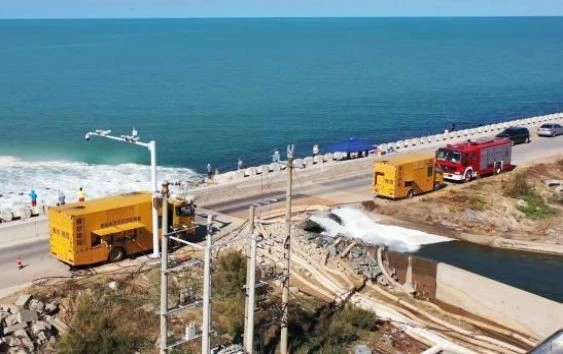
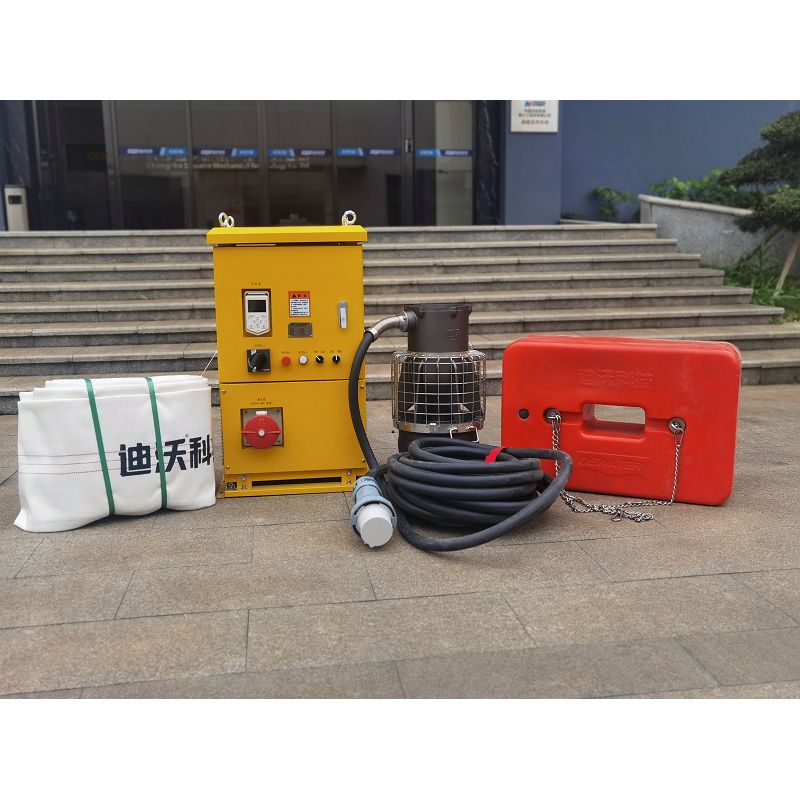
- Seawater Backfilling Drainage Pump: Seawater contains high levels of salts and other chemicals, which can cause corrosion and scaling within the pump. Seawater backfilling drainage pumps are designed to handle these harsh conditions, with materials and coatings that are resistant to corrosion and scaling.
- Mobile Water Transport Pump: Mobile water transport pumps are used to move water from one location to another, such as from a river or lake to a storage tank. These pumps are typically designed to handle clean water, but they can also be used to pump water with low levels of contaminants. However, water with high levels of contaminants can cause fouling, clogging, and corrosion of the pump's components, reducing the pump's efficiency and increasing the maintenance requirements.
- Mobile Flooding Pump: Mobile flooding pumps are used to remove water from flooded areas, such as basements, streets, and fields. These pumps are typically designed to handle large volumes of water with high levels of contaminants, such as mud, sand, and debris. However, water with high levels of contaminants can cause fouling, clogging, and erosion of the pump's components, reducing the pump's efficiency and increasing the maintenance requirements.
Mitigating the Impact of Water Quality
To mitigate the impact of water quality on mobile drainage pumps, it's important to take several steps, including:
- Water Treatment: Treating the water before it enters the pump can help to reduce the levels of contaminants and chemicals in the water, reducing the risk of corrosion, scaling, and fouling. Water treatment methods can include filtration, sedimentation, disinfection, and chemical treatment.
- Proper Maintenance: Regular maintenance of the pump can help to prevent corrosion, scaling, and fouling of the pump's components. Maintenance tasks can include cleaning the pump's intake and discharge pipes, inspecting the pump's components for wear and damage, and replacing any worn or damaged components.
- Selecting the Right Pump: Selecting the right pump for the specific application and water quality is crucial. Different types of pumps are designed to handle different types of water and operating conditions. It's important to choose a pump that is compatible with the water quality and flow requirements of the application.
Conclusion
In conclusion, the quality of water can have a significant impact on the performance and longevity of a mobile drainage pump. Chemical composition, biological contaminants, temperature, and viscosity of water can all affect the pump's efficiency, energy consumption, and maintenance requirements. As a supplier of Mobile Drainage Pumps, we understand the importance of selecting the right pump for the specific application and water quality. We offer a wide range of pumps, including Seawater Backfilling Drainage Pump, Mobile Water Transport Pump, and Mobile Flooding Pump, that are designed to handle different types of water and operating conditions.
If you're in the market for a mobile drainage pump or have any questions about how water quality can affect your pump, please don't hesitate to contact us. Our team of experts is available to help you select the right pump for your application and provide you with the support and maintenance you need to keep your pump running smoothly.
References
- Pump Handbook, Karassik et al.
- Water Treatment Handbook, Metcalf & Eddy
- Corrosion Engineering Handbook, Fontana