


Hey there! I'm a supplier of Mobile Flood Pump Trailers, and today I wanna chat about how pump efficiency changes with different water temperatures. It's a topic that might not seem super exciting at first, but it's actually crucial for anyone who uses pumps, especially in flood - control and drainage scenarios.
Let's start with the basics. A pump is a device that moves fluids, in our case, water. The efficiency of a pump is basically a measure of how well it can convert the input power (usually from an engine or an electric motor) into useful work, which is moving the water. And water temperature can have a significant impact on this process.
How Water Temperature Affects Viscosity
One of the main ways water temperature influences pump efficiency is through its effect on water viscosity. Viscosity is a measure of a fluid's resistance to flow. Think of it like this: honey is more viscous than water. It's thicker and harder to pour.
As the water temperature increases, its viscosity decreases. Cold water is more viscous than warm water. When you're pumping cold water, the pump has to work harder to move the more resistant fluid. The internal components of the pump, like the impeller, have to push against a greater force to get the water flowing. This means that the pump uses more energy to achieve the same flow rate as it would with warmer water.
For example, if you're using our Trailer Mounted Pumps to drain a flooded area where the water is really cold, say around 5°C, the pump might have to run at a higher power setting to move the same volume of water as it would if the water was at 25°C. This increased power consumption leads to a decrease in pump efficiency.
Cavitation and Water Temperature
Another important factor is cavitation. Cavitation occurs when the pressure in the pump drops below the vapor pressure of the water, causing vapor bubbles to form. These bubbles then collapse when they reach a higher - pressure area in the pump, which can damage the pump components and reduce its efficiency.
Water temperature plays a role in cavitation because the vapor pressure of water increases with temperature. Warmer water has a higher vapor pressure, which means it's more likely to form vapor bubbles at a given pressure. So, when you're pumping warm water, you need to be more careful about the pressure conditions in the pump to avoid cavitation.
Let's say you're using our Mobile Drainage Pump Station. If the water temperature is high, say 35°C, the pump has to maintain a higher pressure to prevent cavitation. If the pressure drops too low, cavitation can occur, leading to a decrease in pump performance and potentially causing long - term damage to the pump.
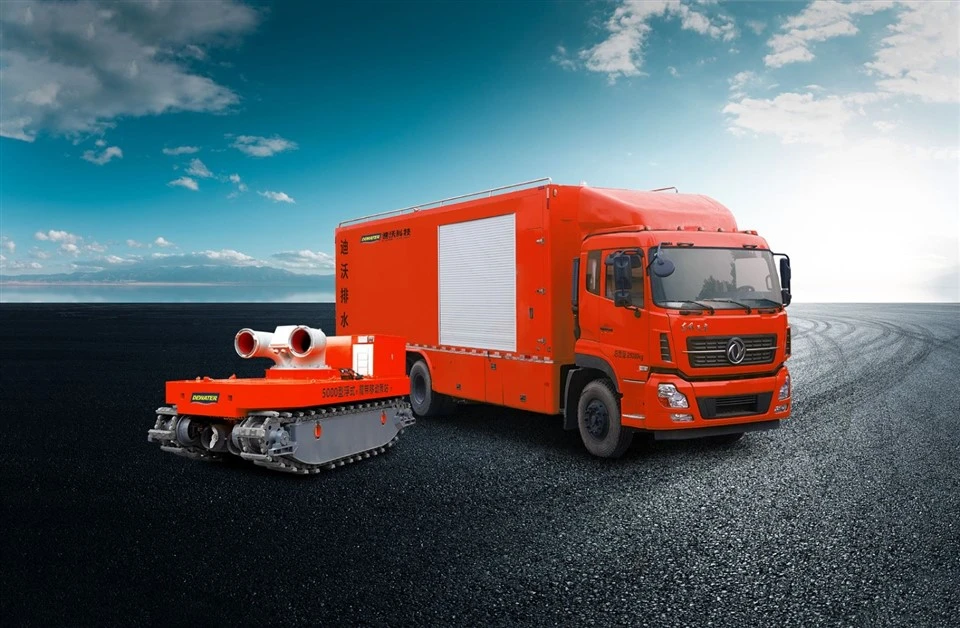

Impact on Pump Materials
The water temperature can also affect the materials of the pump. Different materials have different properties at different temperatures. For instance, some rubber seals and gaskets in the pump might become more brittle in cold water, which can lead to leaks. On the other hand, in hot water, some plastics might expand or deform, affecting the fit and function of the pump components.
Our Light Duty Rescue Pump Trucks are designed to handle a wide range of water temperatures, but it's still important to be aware of these potential issues. If the pump is exposed to extreme temperatures for a long time, it can lead to premature wear and tear, which in turn reduces the pump's efficiency.
Real - World Examples
Let's look at some real - world scenarios. Imagine you're in a northern region where there's a flood in the winter. The water is extremely cold, and you're using our Mobile Flood Pump Trailers to drain the area. You'll notice that the pump seems to be working harder than usual. The flow rate might be lower than expected, and the fuel consumption (if it's a diesel - powered pump) is higher. This is because of the increased viscosity of the cold water.
On the other hand, in a tropical region during a heavy rainstorm, the water might be quite warm. You need to be extra vigilant about cavitation. If the pump isn't properly adjusted for the high water temperature, you might experience a sudden drop in performance as cavitation occurs.
How to Optimize Pump Efficiency
So, how can you optimize pump efficiency when dealing with different water temperatures?
First, make sure you choose the right pump for the job. Consider the typical water temperatures in the area where the pump will be used. Our team can help you select the most suitable Mobile Flood Pump Trailer based on your specific requirements.
Second, monitor the water temperature and adjust the pump settings accordingly. If the water is cold, you might need to increase the power slightly to maintain the desired flow rate. If it's warm, make sure the pressure in the pump is high enough to prevent cavitation.
Regular maintenance is also crucial. Check the pump components regularly for signs of wear and tear caused by temperature changes. Replace any damaged seals or gaskets promptly to ensure the pump operates at its best.
Conclusion
In conclusion, water temperature has a significant impact on pump efficiency. From affecting the viscosity of the water to increasing the risk of cavitation and causing damage to pump materials, it's a factor that can't be ignored. As a supplier of Mobile Flood Pump Trailers, we understand these challenges and are committed to providing high - quality pumps that can perform well in a variety of water temperature conditions.
If you're in the market for a reliable pumping solution, whether it's for flood control, drainage, or other applications, we'd love to have a chat with you. Contact us to discuss your needs, and let's find the perfect pump for your project.
References
- Incropera, F. P., & DeWitt, D. P. (2002). Fundamentals of Heat and Mass Transfer. John Wiley & Sons.
- Streeter, V. L., & Wylie, E. B. (1981). Fluid Mechanics. McGraw - Hill.