



Hey there! As a supplier of drainage pump vehicles, I've been getting a lot of questions lately about how our drainage pump vehicles stack up against traditional pumps. So, I thought I'd take a few minutes to break it down for you.
Mobility and Flexibility
First off, let's talk about mobility. Traditional pumps are often stationary or require significant effort to move around. You've got to lug them to the site, set them up, and then hope you got the placement right. It's a real hassle, especially in emergency situations like floods.
On the other hand, our drainage pump vehicles are like the superheroes of water removal. They're built on trucks, which means they can be driven straight to the problem area. Whether it's a flooded basement, a waterlogged construction site, or a street submerged in water, our Flooding Control Pickup can get there in a jiffy. No need to worry about transporting heavy equipment or finding the right spot to set it up. It's all self - contained and ready to go.
The flexibility of these vehicles is also a game - changer. You can easily adjust the position of the pump on the vehicle to reach different areas. For instance, if there's water trapped in a corner, you can maneuver the truck and position the pump accordingly. With traditional pumps, you'd have to physically move the pump, which can be time - consuming and difficult, especially if the area is hard to access.
Speed and Efficiency
When it comes to speed, drainage pump vehicles have a clear edge. They're designed to handle large volumes of water quickly. Our Water Drainage Pump Truck is equipped with high - powered pumps that can move a massive amount of water in a short period.
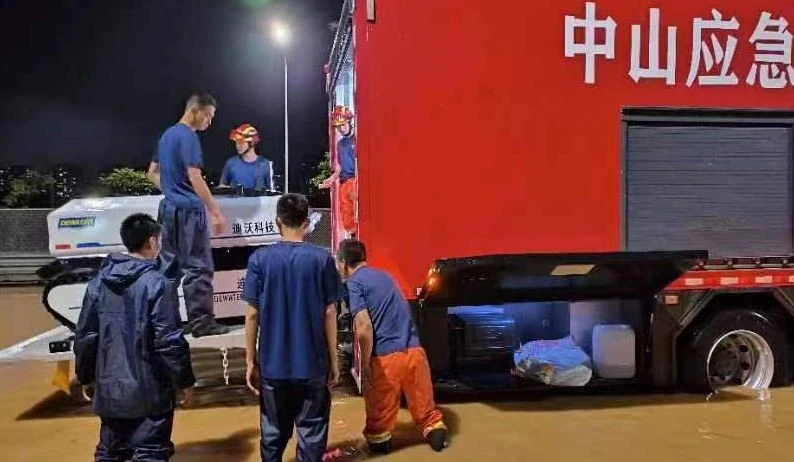

Traditional pumps, while they can get the job done, usually have a lower flow rate. This means it takes them longer to drain an area. In a flood situation, time is of the essence. The longer it takes to remove the water, the more damage it can cause to buildings, infrastructure, and personal property. Our drainage pump vehicles can significantly reduce the time it takes to clear a flooded area, minimizing the damage and getting things back to normal faster.
Efficiency is also about how well the pump can operate in different conditions. Drainage pump vehicles are built to handle a variety of terrains and water sources. They can work in muddy, dirty water without getting clogged easily. The pumps are designed with advanced filtration systems that prevent debris from entering and damaging the pump. Traditional pumps may struggle in such conditions. If they get clogged, it can stop the operation altogether, and you'll have to spend time cleaning the pump before you can continue.
Safety
Safety is a major concern when dealing with water removal. Traditional pumps often require manual handling and setup, which can put workers at risk. There's a chance of slipping on wet surfaces, getting electrocuted if the pump isn't properly grounded, or getting injured while moving the heavy equipment.
Our drainage pump vehicles are designed with safety in mind. The operators can control the pump from the safety of the truck cabin. They don't have to be in the water or near the pump while it's operating. This reduces the risk of accidents and injuries. Additionally, the vehicles are equipped with safety features such as emergency stop buttons and warning lights to ensure that the operation is as safe as possible.
Cost - effectiveness
Now, let's talk money. At first glance, you might think that a drainage pump vehicle is more expensive than a traditional pump. And you're right, the upfront cost is higher. But when you look at the long - term picture, it's a different story.
Traditional pumps require regular maintenance, and if they break down, the repair costs can add up. You also have to factor in the cost of transporting the pump to different sites. With a drainage pump vehicle, the maintenance is usually more streamlined. The vehicle and the pump are designed to work together as a unit, so the maintenance schedule is more coordinated. And since it's all in one vehicle, you don't have to worry about separate transportation costs.
In addition, the time saved by using a drainage pump vehicle can also lead to cost savings. In a business setting, faster water removal means less downtime. For example, a construction site that's flooded can resume work much quicker if you use a drainage pump vehicle, reducing the loss of productivity and potential revenue.
Capacity
Our Large Flow Drainage Emergency Rescue Truck is specifically designed for high - volume water removal. It can handle extremely large amounts of water, making it ideal for major flood events or large - scale waterlogging situations. Traditional pumps, on the other hand, are often limited in their capacity. They're suitable for small - scale jobs like draining a small pond or a basement with a minor leak, but they can't keep up when there's a large amount of water to be removed.
Adaptability to Different Situations
Drainage pump vehicles are highly adaptable. They can be used in a wide range of scenarios, from urban flood control to industrial water management. For example, in an industrial setting, if there's a spill of non - hazardous liquid, the drainage pump vehicle can quickly remove the liquid and prevent it from spreading. Traditional pumps may not be as versatile and may require additional equipment or modifications to handle such situations.
In conclusion, drainage pump vehicles offer a number of advantages over traditional pumps in terms of mobility, speed, efficiency, safety, cost - effectiveness, capacity, and adaptability. If you're in the market for a reliable water removal solution, I highly recommend considering a drainage pump vehicle.
If you're interested in learning more about our drainage pump vehicles or want to discuss a potential purchase, feel free to reach out. We're here to help you find the best solution for your water removal needs.
References
- Industry reports on water management and flood control
- Technical specifications of drainage pump vehicles and traditional pumps