


Hey there! I'm a supplier of Trailer Mounted Pumps, and today I wanna chat about how the impeller design of these pumps can have a huge impact on their performance.
First off, let's get into what an impeller is. The impeller is like the heart of a pump. It's a rotating component with vanes that helps to increase the pressure and flow of the fluid being pumped. In the case of trailer mounted pumps, the impeller design can make or break the pump's ability to do its job effectively.
One of the key factors in impeller design is the number of vanes. Pumps can have different numbers of vanes on their impellers, and this can affect both the flow rate and the head (pressure) of the pump. Generally, more vanes can provide a smoother flow and higher head, but they might also reduce the flow rate a bit. On the other hand, fewer vanes can result in a higher flow rate but might not generate as much pressure. For example, if you're using a Trailer Mounted Pumps for a job that requires high - pressure pumping, like pushing water up a long pipe or through a narrow opening, an impeller with more vanes might be the way to go. But if you just need to move a large volume of water quickly, such as draining a flooded area, an impeller with fewer vanes could be more suitable.
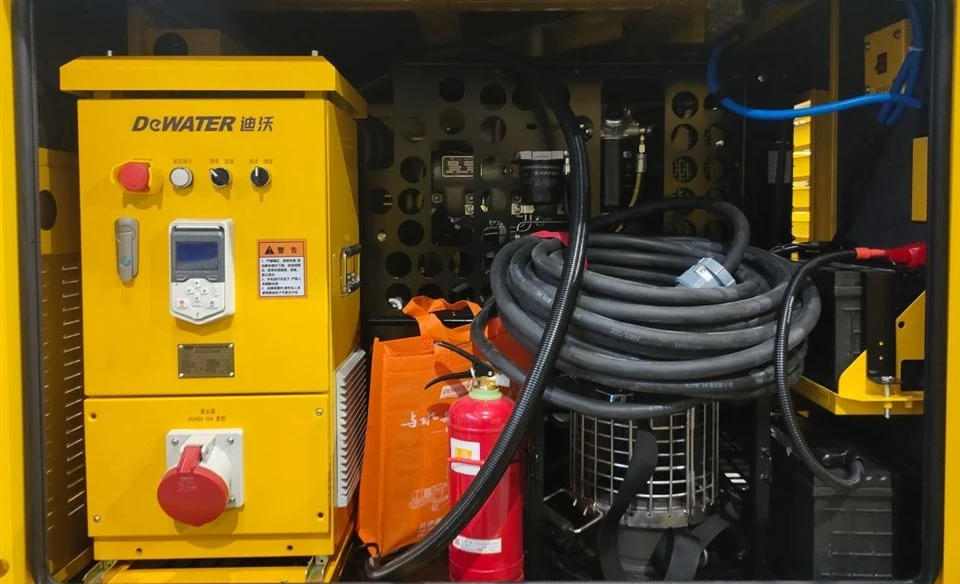
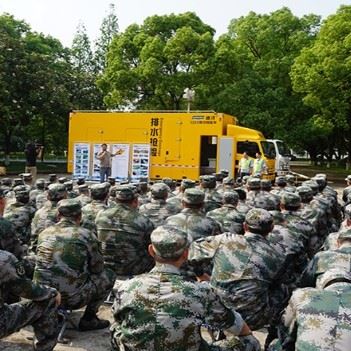
The shape of the vanes is another crucial aspect. There are different vane shapes, like backward - curved, forward - curved, and radial vanes. Backward - curved vanes are quite common because they offer good efficiency and stability. They can handle a wide range of flow rates and pressures. Forward - curved vanes, on the other hand, can generate a high flow rate at a relatively low head. They're often used in applications where you need to move a lot of fluid with less pressure, like in some water circulation systems. Radial vanes are more suitable for high - pressure applications as they can convert the rotational energy of the impeller into pressure very effectively.
The size of the impeller also matters. A larger impeller can generally move more fluid and generate more pressure compared to a smaller one. However, it also requires more power to operate. So, when choosing a Trailer Mounted Pumps, you need to consider the power source available and the specific requirements of your job. If you have a powerful engine or motor to drive the pump, a larger impeller might be a great option. But if power is limited, a smaller impeller could be a better choice to ensure efficient operation.
The material of the impeller is not to be overlooked either. Different materials have different properties that can affect the pump's performance and durability. For example, stainless steel impellers are corrosion - resistant, which makes them ideal for pumping water that might contain chemicals or salt. Cast iron impellers are strong and can handle high - pressure applications, but they might be more prone to corrosion in certain environments. Plastic impellers are lightweight and can be a cost - effective option for some low - pressure and non - corrosive applications.
Now, let's talk about how these impeller design factors translate into real - world performance. In flood - relief operations, for instance, a Water Drainage Pump Truck with a well - designed impeller can make a big difference. A pump with an impeller that can handle a high flow rate is essential for quickly removing large amounts of water from flooded areas. The right vane shape and number can ensure that the pump operates efficiently, using less fuel or power in the process. This not only saves costs but also allows the pump to run for longer periods without the need for frequent refueling or recharging.
In industrial settings, such as mining or construction sites, Trailer Mounted Pumps are often used for dewatering. Here, the ability to generate high pressure is crucial, especially when pumping water from deep pits or through long pipelines. An impeller with the right design can provide the necessary pressure to move the water effectively, even in challenging conditions.
Another application is in emergency rescue situations. A High - flow Drainage Rescue Vehicle needs to be able to respond quickly and pump large volumes of water. The impeller design plays a vital role in ensuring that the pump can start up rapidly and reach its maximum flow rate in a short time. A well - designed impeller can also handle debris and solids in the water without getting clogged easily, which is very important in real - world rescue scenarios where the water might be dirty and full of all sorts of things.
As a supplier of Trailer Mounted Pumps, I've seen firsthand how the impeller design can affect the overall performance of the pumps. We work hard to offer a variety of pumps with different impeller designs to meet the diverse needs of our customers. Whether you're in the flood - control business, an industrial operator, or involved in emergency rescue, we have a pump that can fit your requirements.
If you're in the market for a trailer - mounted pump, it's important to consider the impeller design carefully. Think about the specific job you need the pump for, the flow rate and pressure requirements, and the environment in which the pump will operate. And if you have any questions or need help choosing the right pump, don't hesitate to reach out. We're here to assist you in finding the perfect solution for your pumping needs. Contact us for a detailed discussion and let's work together to get the best Trailer Mounted Pumps for your project.
References
- Pump Handbook by Karassik et al.
- Fluid Mechanics textbooks for general principles related to impeller design.