


In the realm of flood control and emergency drainage, drainage pump vehicles play a pivotal role. As a dedicated drainage pump vehicle supplier, I've witnessed firsthand the importance of these machines in various scenarios. One critical aspect that often comes under scrutiny is how these vehicles perform in low - temperature environments.
Impact of Low Temperatures on Drainage Pump Vehicles
1. Fluid Properties
Low temperatures can significantly alter the properties of the fluids being pumped. For instance, water's viscosity increases as the temperature drops. Higher viscosity means that the fluid offers more resistance to flow. In a drainage pump vehicle, this can lead to reduced pump efficiency. The pump has to work harder to move the more viscous fluid through the pipes and out of the drainage area. As a result, the flow rate may decrease, and the power consumption of the pump can rise. This not only affects the performance of the drainage operation but also increases the operational cost.
2. Mechanical Components
The mechanical components of a drainage pump vehicle are also affected by low temperatures. Lubricants used in the engine, pumps, and other moving parts can thicken in cold weather. Thickened lubricants may not provide adequate lubrication, leading to increased friction between moving parts. This can cause premature wear and tear of components such as bearings, gears, and pistons. Moreover, the metal parts of the vehicle can become more brittle at low temperatures. This brittleness increases the risk of cracks and fractures, especially when the vehicle is subjected to vibrations or sudden impacts during operation.

3. Battery Performance
Batteries are an essential part of a drainage pump vehicle, powering the electrical systems and starting the engine. In low - temperature environments, the chemical reactions inside the battery slow down. This results in a reduced battery capacity and a lower ability to deliver power. A drained or underperforming battery can prevent the vehicle from starting or cause electrical malfunctions in the control systems of the pump.
Performance of Different Types of Drainage Pump Vehicles in Low Temperatures
1. Mobile Pump Station
A Mobile Pump Station is a versatile solution for emergency drainage. In low - temperature conditions, its performance can be affected by the factors mentioned above. However, modern mobile pump stations are often equipped with advanced insulation and heating systems. These systems help maintain the temperature of the pump and the fluid inside the pipes, reducing the impact of low temperatures on fluid viscosity. Additionally, the engine of a mobile pump station can be designed to start more easily in cold weather, with features such as glow plugs or block heaters.
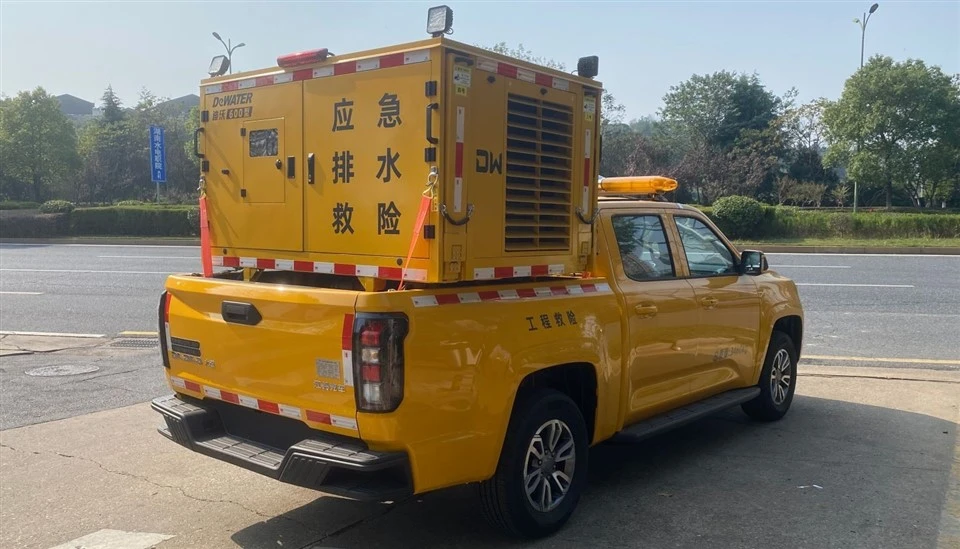
2. Emergency Drainage Rescue Vehicle
The Emergency Drainage Rescue Vehicle is designed for rapid response in flood - prone areas. In low - temperature environments, its mobility can be a challenge. The thickening of lubricants can affect the vehicle's transmission and suspension systems, making it more difficult to drive. However, these vehicles are usually built with robust engines and drivetrains that can withstand harsh conditions. Some emergency drainage rescue vehicles also have specialized cold - weather tires that provide better traction on icy or snow - covered roads.
3. Flood Control Pump Truck
The Flood Control Pump Truck is a large - scale solution for flood control. Its performance in low temperatures is closely related to the pump's design and the vehicle's overall insulation. The pump on a flood control pump truck is typically larger and more powerful than those on other types of drainage vehicles. This means that it can generate more heat during operation, which can help counteract the effects of low temperatures to some extent. However, the large size of the vehicle also means that it has more exposed surfaces, which can lead to greater heat loss.
Mitigation Strategies for Low - Temperature Performance
1. Pre - operation Checks
Before operating a drainage pump vehicle in a low - temperature environment, thorough pre - operation checks are essential. Inspect the lubricants and fluids to ensure they are suitable for cold weather. Replace any lubricants that have thickened or become contaminated. Check the battery charge and condition, and ensure that the battery terminals are clean and tightly connected. Inspect the tires for proper inflation and tread depth, as cold weather can cause tire pressure to drop.
2. Insulation and Heating
Adding insulation to the pump, pipes, and other critical components can help retain heat. Insulation materials such as foam or fiberglass can be used to wrap the pipes and the pump housing. Heating systems can also be installed to maintain the temperature of the fluid and the components. For example, electric heating tapes can be wrapped around the pipes to prevent the fluid from freezing.
3. Engine Protection
Use engine oil with a low - temperature viscosity rating to ensure proper lubrication in cold weather. Install a block heater to warm up the engine before starting. This can reduce the strain on the battery and the engine during startup. Additionally, keep the fuel tank full to prevent condensation and freezing of the fuel.
Conclusion
In conclusion, low - temperature environments pose significant challenges to the performance of drainage pump vehicles. However, with proper understanding of the impact of low temperatures on these vehicles and the implementation of appropriate mitigation strategies, their performance can be maintained at an acceptable level. As a drainage pump vehicle supplier, I am committed to providing high - quality products and solutions that can withstand the rigors of low - temperature operation.
If you are in need of a reliable drainage pump vehicle for your flood control or emergency drainage needs, especially for low - temperature environments, I encourage you to reach out to us for a detailed discussion. We can provide customized solutions based on your specific requirements and help you make an informed decision.
References
- "Handbook of Pump Technology" by Igor J. Karassik et al.
- "Cold Weather Vehicle Operation and Maintenance" by various automotive engineering research institutions.