



As a supplier of emergency dewatering pumps, I've had the privilege of witnessing firsthand how these remarkable machines can make a difference in critical situations. In this blog, I'll take you through the inner workings of an emergency dewatering pump, explaining the science and engineering behind its functionality.
The Basics of Dewatering
Before delving into how an emergency dewatering pump works, it's important to understand the concept of dewatering. Dewatering is the process of removing water from an area, typically from construction sites, mines, basements, or flood - affected regions. Emergency dewatering pumps are specifically designed to operate under urgent circumstances, where rapid water removal is essential to prevent damage, ensure safety, and resume normal operations.
Key Components of an Emergency Dewatering Pump
An emergency dewatering pump consists of several key components, each playing a vital role in its operation.
1. The Pump Casing
The pump casing is the outer shell that encloses the impeller and other internal components. It is designed to direct the flow of water and create a sealed environment for the pump to operate efficiently. The casing is usually made of durable materials such as cast iron, stainless steel, or high - strength plastics, depending on the application and the type of water being pumped.
2. The Impeller
The impeller is the heart of the dewatering pump. It is a rotating component with vanes that are designed to impart kinetic energy to the water. As the impeller spins, it draws water into the pump through the inlet and then forces it out through the outlet at a higher pressure. The shape and design of the impeller can vary depending on the pump's intended use, such as handling clean water, wastewater, or water with solids.
3. The Motor or Engine
Emergency dewatering pumps can be powered by different sources. Electric motors are commonly used in applications where a reliable power supply is available. They are relatively quiet, energy - efficient, and easy to maintain. On the other hand, diesel engines are often preferred for remote locations or in situations where power outages are likely. Diesel - powered pumps can operate independently for extended periods, providing a reliable source of power for continuous dewatering.
4. The Inlet and Outlet Ports
The inlet port is where water enters the pump. It is usually equipped with a strainer or filter to prevent large debris from entering the pump and causing damage. The outlet port is where the water is discharged from the pump. The size and shape of the inlet and outlet ports are carefully designed to optimize the flow rate and pressure of the water.
How an Emergency Dewatering Pump Works
The operation of an emergency dewatering pump can be broken down into several steps:
1. Priming
Before the pump can start pumping water, it needs to be primed. Priming is the process of filling the pump casing and the suction line with water to remove any air. This is crucial because air in the pump can prevent it from creating the necessary suction to draw water. Some pumps are self - priming, which means they have a built - in mechanism to remove air and prime themselves automatically. Others may require manual priming, where water is added to the pump casing through a priming port.
2. Suction
Once the pump is primed, the motor or engine starts to drive the impeller. As the impeller rotates, it creates a low - pressure area at the inlet of the pump. This low - pressure area causes water to be drawn into the pump through the inlet port. The suction force is strong enough to lift water from a certain depth, depending on the pump's design and the power of the motor or engine.
3. Impeller Action
As the water enters the pump, it comes into contact with the rotating impeller. The vanes of the impeller push the water outward, increasing its velocity and kinetic energy. This kinetic energy is then converted into pressure energy as the water moves through the pump casing towards the outlet port.
4. Discharge
The high - pressure water is forced out of the pump through the outlet port and into a discharge pipe. The discharge pipe can be connected to a drainage system, a storage tank, or another location where the water needs to be transported. The pump's design and the power of the motor or engine determine the flow rate and the discharge pressure of the water.
Types of Emergency Dewatering Pumps
There are several types of emergency dewatering pumps available, each suited to different applications:
1. Centrifugal Pumps
Centrifugal pumps are the most common type of dewatering pumps. They work on the principle of centrifugal force, where the rotating impeller creates a high - velocity flow of water. Centrifugal pumps are suitable for handling large volumes of water with low to moderate solids content. They are often used in construction sites, mines, and flood - control applications. You can learn more about our Uninterrupted Emergency Drainage Pump, which is a type of centrifugal pump designed for continuous and reliable operation.
2. Submersible Pumps
Submersible pumps are designed to be fully submerged in water. They are typically used in applications where the water level is high, such as in flooded basements, wells, or sumps. Submersible pumps are more efficient than some other types of pumps because they do not need to create suction to draw water. They are also less prone to cavitation, which can damage the pump. Our Agricultural Emergency Water Supply Pump is a submersible pump that can be used for various agricultural applications, including irrigation and drainage.
3. Diaphragm Pumps
Diaphragm pumps use a flexible diaphragm to create a pumping action. They are suitable for handling viscous fluids, slurries, and fluids with high solids content. Diaphragm pumps are often used in chemical processing, wastewater treatment, and mining applications.

4. Diesel Flood Control Pumps
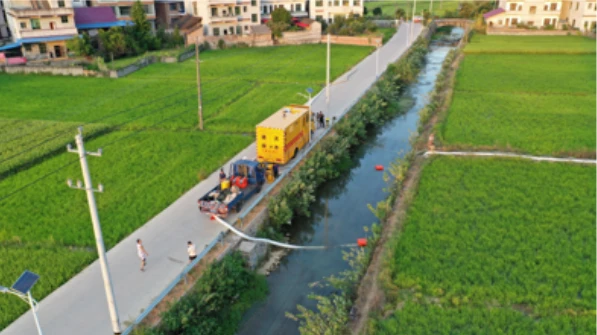
Diesel - powered flood control pumps are specifically designed for emergency flood - control situations. They can provide high - volume, high - pressure water pumping capabilities, even in remote locations without access to electricity. These pumps are often used by municipalities, emergency response teams, and flood - prone areas. Check out our Diesel Flood Control Pump for more information on this powerful solution.
Factors Affecting Pump Performance
Several factors can affect the performance of an emergency dewatering pump:
1. Head and Flow Rate
The head is the height that the pump can lift water, and the flow rate is the volume of water that the pump can move per unit of time. The head and flow rate requirements of a dewatering project determine the size and power of the pump needed.
2. Water Temperature and Viscosity
The temperature and viscosity of the water can affect the pump's performance. Higher water temperatures can reduce the pump's efficiency, while more viscous fluids require more power to pump.
3. Solids Content
If the water being pumped contains solids, such as sand, gravel, or debris, it can cause wear and tear on the pump components. Pumps designed for handling solids need to have robust construction and appropriate impeller designs.
Why Choose Our Emergency Dewatering Pumps
As a supplier of emergency dewatering pumps, we offer a range of high - quality pumps that are designed to meet the diverse needs of our customers. Our pumps are built with the latest technology and materials, ensuring reliable performance and long - term durability. We also provide comprehensive after - sales support, including maintenance, repair, and technical assistance.
If you are in need of an emergency dewatering pump for your project, whether it's for construction, flood control, or agricultural applications, we encourage you to contact us for a detailed discussion. Our team of experts can help you select the right pump for your specific requirements and provide you with a competitive quote.
References
- "Pump Handbook" by Igor J. Karassik, Joseph P. Messina, Paul Cooper, and Charles C. Heald
- "Centrifugal Pumps: Design and Application" by Heinz P. Bloch and Fred K. Geitner
- Industry standards and guidelines for dewatering pumps from relevant organizations.