


As a seasoned supplier of Flood Control Pump Trucks, I've witnessed firsthand the crucial role these vehicles play in managing water during various flood - control and drainage scenarios. One of the most significant challenges in this field is handling different water qualities. In this blog, I'll delve into how our flood control pump trucks are designed to tackle a wide range of water conditions.
Understanding Different Water Qualities
Water can vary greatly in terms of its physical and chemical properties. We commonly encounter three main types of water when it comes to flood control and drainage: clean water, dirty water, and chemically - contaminated water.
Clean water, typically found in scenarios such as heavy rainfall runoff from relatively clean urban areas or overflow from natural water bodies under normal conditions, has minimal suspended solids and chemical contaminants. However, it can still pose challenges due to high flow rates during floods.
Dirty water, on the other hand, is often laden with debris such as leaves, twigs, sand, and mud. It is commonly found in urban areas after storms, where it picks up pollutants from the streets, or in industrial areas with surface runoff. The presence of large and small debris can clog pumps and cause mechanical failures if not properly managed.
Chemically - contaminated water is perhaps the most challenging to handle. It can contain a variety of harmful substances such as heavy metals, acids, alkalis, and industrial chemicals. This type of water is often found in industrial accident sites or areas affected by chemical spills during floods.
How Our Flood Control Pump Trucks Handle Clean Water
When dealing with clean water, the primary concern is the high flow rate. Our flood control pump trucks are equipped with high - capacity pumps that can move large volumes of water quickly. These pumps are designed to have a high - efficiency impeller that can generate strong suction and discharge forces.
For example, our Emergency Drainage Rescue Vehicle is specifically engineered for rapid water removal in clean - water flood situations. It features a powerful engine that drives the pump at high speeds, allowing it to handle flow rates of up to [X] cubic meters per hour. The pump's design also minimizes energy consumption while maintaining high performance, making it an ideal choice for long - term operation during flood events.
In addition, the pipes and hoses used in our pump trucks are made of high - quality materials that can withstand the pressure and flow of clean water. They are also designed to be flexible and easy to install, allowing for quick deployment in emergency situations.
Dealing with Dirty Water
Handling dirty water requires a different approach. Our flood control pump trucks are equipped with multiple features to prevent clogging and ensure continuous operation.
Firstly, the intake of the pump is fitted with a debris screen. This screen acts as a first - line defense, filtering out large objects such as branches and plastic bags. The screen is designed to be easy to clean and replace, reducing downtime during operation.
Secondly, our pumps are designed with a self - cleaning mechanism. For example, some of our models use a vortex - type impeller that creates a swirling motion inside the pump chamber. This motion helps to keep debris in suspension and prevents it from settling and clogging the pump.
Our Flooding and Dainage Pump Truck is a prime example of a vehicle that excels in handling dirty water. It has a robust pump system that can handle a high concentration of suspended solids. The truck also comes with a high - pressure flushing system that can be used to clean the pump and pipes during operation, further reducing the risk of clogging.
Managing Chemically - Contaminated Water
Handling chemically - contaminated water is a complex task that requires specialized equipment and safety measures. Our flood control pump trucks are designed to meet these challenges.
The pumps and pipes in our trucks are made of corrosion - resistant materials such as stainless steel and special polymers. These materials can withstand the corrosive effects of various chemicals, ensuring the longevity of the equipment.
In addition, our pump trucks are equipped with water - quality monitoring systems. These systems can detect the presence and concentration of various chemicals in the water. Based on the readings, the operator can adjust the pumping process to ensure that the contaminated water is handled safely.
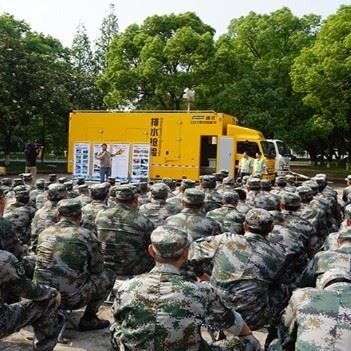
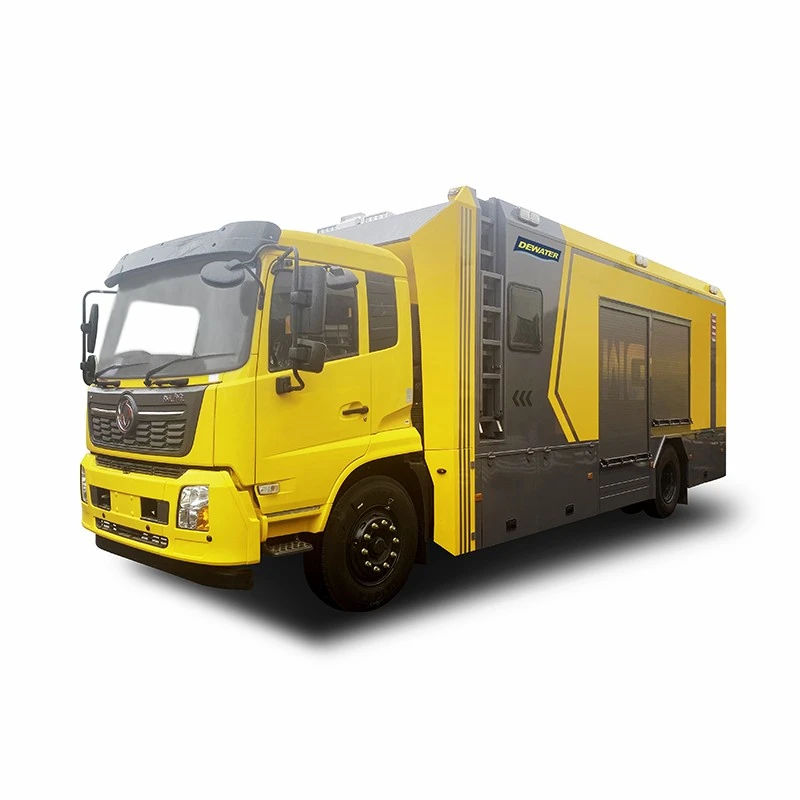
For example, if the water contains high levels of acids, the pump can be adjusted to reduce the flow rate and prevent the acid from causing excessive corrosion. Our High - flow Drainage Rescue Vehicle is capable of handling chemically - contaminated water with high flow rates while maintaining the integrity of the pumping system.
Maintenance and Safety Considerations
Regardless of the water quality, proper maintenance of flood control pump trucks is essential. Regular inspections, cleaning, and replacement of parts are necessary to ensure the reliable operation of the equipment.
When dealing with chemically - contaminated water, safety is of utmost importance. Operators must wear appropriate personal protective equipment (PPE) such as chemical - resistant suits, gloves, and goggles. The pump trucks should also be equipped with safety features such as emergency shut - off valves and ventilation systems to protect the operators from harmful fumes.
Conclusion
In conclusion, our flood control pump trucks are designed to handle a wide range of water qualities. Whether it's clean water, dirty water, or chemically - contaminated water, our vehicles are equipped with the necessary features and technologies to ensure efficient and safe operation.
If you are in need of a reliable flood control pump truck for your flood - control and drainage needs, we invite you to contact us for a detailed discussion. Our team of experts is ready to assist you in selecting the right vehicle for your specific requirements. We look forward to working with you to address your flood - control challenges.
References
- "Flood Control Engineering: Principles and Practices" by [Author's Name]
- "Pump Technology and Applications" by [Author's Name]
- Industry standards and guidelines related to flood control and drainage equipment