


When it comes to flood control, choosing the right pump is crucial for effective water management. As a supplier of diesel flood control pumps, I've witnessed firsthand the unique advantages and disadvantages of both diesel and electric flood control pumps. In this blog post, I'll compare these two types of pumps to help you make an informed decision for your flood control needs.
Power Source and Independence
One of the most significant differences between diesel and electric flood control pumps lies in their power sources. Electric pumps rely on a stable electrical grid to operate. This means they are highly dependent on the availability of electricity. In the event of a power outage, which is common during severe floods due to damaged power lines or grid overload, electric pumps can become completely useless.
On the other hand, diesel flood control pumps are powered by diesel engines. This gives them a high degree of independence from the electrical grid. Diesel pumps can be quickly deployed to remote areas or disaster - stricken regions where power is unavailable. They can operate continuously as long as there is a supply of diesel fuel. This makes them an ideal choice for emergency flood control situations where immediate and continuous pumping is required. For instance, in the aftermath of a major hurricane that has knocked out power across a large area, diesel pumps can be used to start draining floodwaters right away, [1].
Mobility and Portability
Diesel flood control pumps are generally more mobile and portable than their electric counterparts. Diesel engines are often compact and can be mounted on trailers or skids, allowing for easy transportation to different flood - prone locations. They can be quickly moved from one site to another, whether it's a rural area, a construction site, or an urban neighborhood.
Electric pumps, while they can also be made portable, are limited by the need for a nearby electrical outlet or a long - extension cord. The mobility of electric pumps is restricted to areas where electricity can be easily accessed. This can be a significant drawback in situations where pumps need to be rapidly deployed to areas far from the power grid. For example, in a large - scale flood in a sparsely populated area, the ability to move pumps quickly to different spots is essential, and diesel pumps have a clear advantage here.
Pumping Capacity and Performance
In terms of pumping capacity, diesel flood control pumps often have an edge over electric pumps. Diesel engines can generate more power, which allows diesel pumps to handle larger volumes of water and pump water over greater distances and heights. They are capable of high - flow and high - head pumping, making them suitable for large - scale flood control projects.
Electric pumps, while they can be efficient for smaller - scale applications, may struggle to match the pumping performance of diesel pumps in demanding situations. For example, when dealing with a large - volume flood in a major city or a large industrial area, diesel pumps can quickly remove large amounts of water, reducing the risk of long - term water damage. The ability to handle high - volume and high - pressure pumping makes diesel pumps a preferred choice for many municipal and industrial flood control applications. You can learn more about high - performance pumps for such applications on our Municipal Emergency Rescue Pump page.
Cost Considerations
The initial cost of purchasing a diesel flood control pump is typically higher than that of an electric pump. Diesel engines are more complex and expensive to manufacture, which is reflected in the price of the pumps. However, when considering the total cost of ownership, the situation becomes more nuanced.
Electric pumps have lower fuel costs since they run on electricity, which is generally cheaper than diesel fuel. But the cost of electricity can vary depending on the region and the time of use. Additionally, electric pumps may require more maintenance in the long run due to the complexity of electrical components.
Diesel pumps, while having a higher upfront cost, have lower maintenance requirements in some aspects. Diesel engines are relatively simple in design and can be more durable, with fewer components that are prone to failure. Also, the cost of diesel fuel can be offset by the pump's ability to operate independently and handle larger - scale projects more efficiently.
Environmental Impact
The environmental impact is an important factor to consider when comparing diesel and electric flood control pumps. Diesel engines emit pollutants such as carbon monoxide, nitrogen oxides, and particulate matter, which can have a negative impact on air quality. However, modern diesel engines are becoming more environmentally friendly, with the use of advanced emission control technologies.
Electric pumps, on the other hand, produce no direct emissions at the point of use. If the electricity is generated from renewable sources such as solar, wind, or hydro, the environmental impact of electric pumps can be significantly reduced. But in areas where electricity is mainly generated from fossil fuels, the overall environmental impact of electric pumps may not be as low as it seems.
Noise Levels
Noise is another consideration. Diesel flood control pumps tend to be noisier than electric pumps. The operation of a diesel engine produces a significant amount of noise, which can be a nuisance, especially in residential areas. However, manufacturers are constantly working on reducing the noise levels of diesel pumps through the use of sound - dampening materials and improved engine design.
Electric pumps are generally quieter in operation. This makes them more suitable for applications where noise needs to be kept to a minimum, such as in hospitals, schools, or residential neighborhoods during normal hours.
Applications
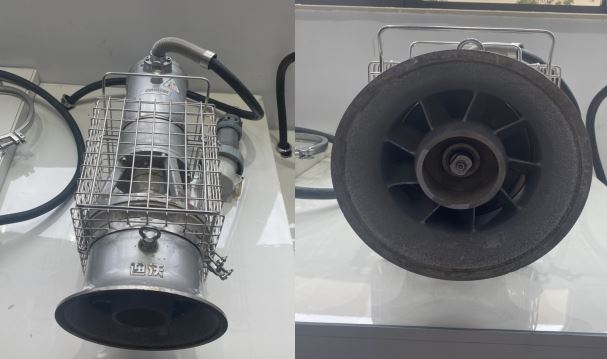
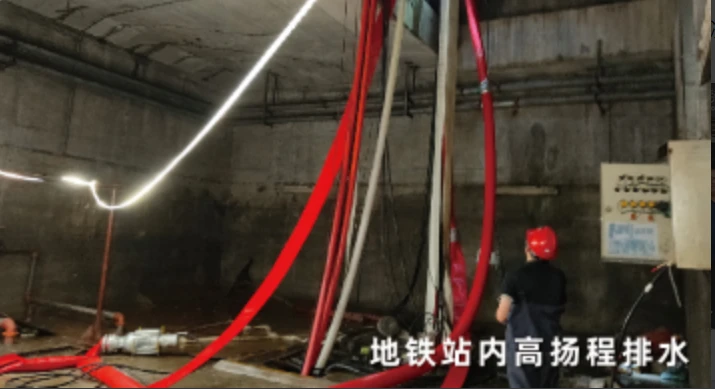
Diesel flood control pumps are widely used in a variety of applications. They are commonly used for Urban Waterlogging Drainage Pump in cities, especially during heavy rainstorms when large amounts of water need to be quickly removed from streets and basements. They are also used in subway systems for flood control. You can find more information about subway flood control on our Subway Flood Pump page. Additionally, diesel pumps are used in industrial settings, construction sites, and for flood control in rural areas.
Electric pumps are often used for smaller - scale applications, such as draining water from small basements, swimming pools, or in agricultural settings where the pumping requirements are not as high.
Conclusion
In conclusion, both diesel and electric flood control pumps have their own strengths and weaknesses. Diesel flood control pumps offer greater independence, mobility, and pumping capacity, making them ideal for large - scale, emergency flood control situations and areas without reliable electricity. Electric pumps, on the other hand, are quieter, more cost - effective in some cases, and have a lower direct environmental impact.
When choosing between the two, it's important to consider the specific requirements of your flood control project, such as the location, the volume of water to be pumped, the availability of power, and the environmental and noise constraints.
If you're in the market for a flood control pump and need more information or are interested in purchasing a diesel flood control pump, I encourage you to contact us for a detailed discussion. Our team of experts can help you select the right pump for your specific needs and provide you with all the necessary technical support.
References
[1] Smith, J. (2020). Flood Control Technologies: A Comparative Analysis. Journal of Water Management, 15(2), 45 - 56.