


Hey there! I'm a supplier of Mobile Flood Relief Systems, and today I wanna talk about something that doesn't get enough attention - how to dispose of these systems at the end of their lifespan. It's a crucial topic, not just for environmental reasons but also for regulatory compliance and overall sustainability.
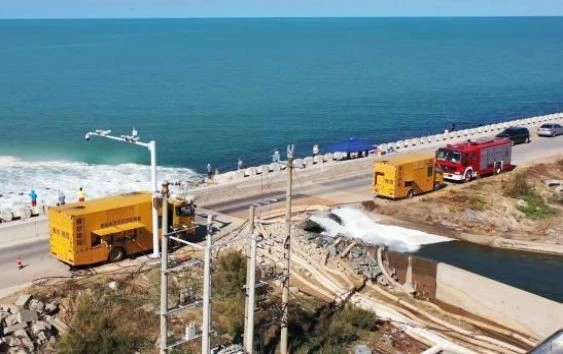
First off, let's understand what Mobile Flood Relief Systems are. These are pretty nifty setups designed to quickly respond to flooding situations. They include things like Seawater Backfilling Drainage Pump, Drought Relief Drainage Pump, and Trailer Mounted Drainage Pump Station. These pumps are built tough to handle all sorts of water - from seawater to regular floodwater - and they play a huge role in minimizing flood damage.
But, like all good things, these systems have a limited lifespan. Over time, they can wear out due to corrosion from saltwater, mechanical failures, or just plain old age. So, when it's time to say goodbye to these trusty machines, what do we do?
Assessing the System's Condition
The first step in disposing of a Mobile Flood Relief System is to figure out its current state. Is it completely broken down, or are there still some parts that can be salvaged? We often do a thorough inspection to check the integrity of the pumps, motors, and other components. Sometimes, a system might seem beyond repair, but a closer look can reveal that a few parts are still in good working condition. These parts can be removed and either reused in other systems or sold as spares. This not only reduces waste but also helps in cutting down costs for future repairs.
Recycling and Reusing
Recycling is a big deal when it comes to disposing of these systems. Most of the materials used in Mobile Flood Relief Systems, like steel, aluminum, and plastic, are recyclable. We can send these materials to specialized recycling facilities where they're processed and turned into new products. For example, the steel from the pump frames can be melted down and used to make new steel products.
Reusing is another great option. If the system is still in relatively good shape but no longer needed for flood relief, it might be suitable for other applications. For instance, a Drought Relief Drainage Pump could potentially be used for agricultural irrigation or water transfer in non - flood situations. We've even had cases where old systems were donated to developing regions that lack proper flood management infrastructure. This way, we're giving the system a second life and helping those in need at the same time.
Regulatory Compliance
Disposing of Mobile Flood Relief Systems isn't as simple as just throwing them away. There are a bunch of regulations and environmental laws that we need to follow. These laws are in place to ensure that the disposal process doesn't harm the environment or pose a risk to public health. For example, some parts of the system might contain hazardous materials like lead or mercury. These need to be handled and disposed of properly to prevent contamination.

We always make sure to work with certified waste management companies that are well - versed in these regulations. They know how to handle different types of waste and ensure that everything is disposed of in an environmentally friendly way. This might involve special treatment processes for hazardous materials or proper documentation to prove that the disposal was done legally.
Disposal of Hazardous Materials
As I mentioned earlier, some components of Mobile Flood Relief Systems can contain hazardous materials. Batteries, for example, often contain lead and acid, which can be extremely harmful if not disposed of correctly. We need to separate these hazardous materials from the rest of the system and send them to specialized treatment facilities.
Another common issue is oil and lubricants. These substances can contaminate soil and water if they're released into the environment. So, we make sure to drain all the oil and lubricants from the system before disposal. The oil can then be recycled or treated to remove any contaminants.
Safe Transportation
Once we've decided on the disposal method, we need to transport the system safely to the appropriate facility. This is especially important for large systems like Trailer Mounted Drainage Pump Station. We use proper transportation equipment and follow all the safety regulations to prevent any accidents during transit.
We also take precautions to secure the system during transportation to avoid any damage or spillage of hazardous materials. This might involve using straps, padding, and other securing devices to keep the system in place.
Documentation
Documentation is key throughout the entire disposal process. We keep detailed records of the system's inspection, the parts that were salvaged, the disposal method chosen, and the facilities involved. This documentation is not only important for regulatory compliance but also for our own internal tracking. It helps us keep track of our waste management practices and make improvements over time.
Environmental Impact
Proper disposal of Mobile Flood Relief Systems has a significant positive impact on the environment. By recycling and reusing materials, we're reducing the demand for new raw materials, which in turn conserves natural resources. We're also minimizing the amount of waste that ends up in landfills, which helps in reducing greenhouse gas emissions.
On the flip side, improper disposal can have serious environmental consequences. Hazardous materials can contaminate soil, water, and air, leading to long - term damage to ecosystems and human health. So, it's in everyone's best interest to make sure we do this right.
Cost Considerations
Disposing of Mobile Flood Relief Systems can be costly, especially if there are hazardous materials involved. However, there are ways to manage these costs. As I mentioned earlier, salvaging and reusing parts can help offset some of the expenses. We can also look for cost - effective recycling and waste management solutions. Sometimes, working with a group of suppliers or municipalities can lead to bulk discounts on disposal services.
Educating Customers
We believe in educating our customers about the proper disposal of Mobile Flood Relief Systems. When we sell a system, we also provide information on its lifespan, maintenance requirements, and what to do when it's time to dispose of it. This helps our customers make informed decisions and ensures that the systems are disposed of correctly.
Conclusion
Disposing of Mobile Flood Relief Systems at the end of their lifespan is a multi - step process that requires careful planning and attention to detail. From assessing the system's condition to ensuring regulatory compliance, every step plays a crucial role in minimizing waste and protecting the environment.
If you're in the market for a Mobile Flood Relief System or have questions about their disposal, don't hesitate to reach out. We're here to help you make the best decisions for your flood management needs. Whether it's choosing the right system, maintaining it, or disposing of it properly, we've got you covered. So, let's work together to make flood relief more sustainable and efficient.
References
- Environmental Protection Agency guidelines on industrial waste disposal.
- Industry reports on the lifespan and maintenance of Mobile Flood Relief Systems.
- Case studies on successful recycling and reuse of flood management equipment.