


As a supplier of Mobile Flood Pump Trailers, I often encounter customers who are interested in understanding how to adjust the pumping head of these essential pieces of equipment. The pumping head is a critical parameter that determines the vertical distance a pump can lift water and the pressure it can generate. In this blog post, I will share some insights on how to adjust the pumping head of a Mobile Flood Pump Trailer.
Understanding the Pumping Head
Before delving into the adjustment methods, it's important to have a clear understanding of what the pumping head is. The pumping head is the total height that a pump can lift water, including the vertical height (static head) and the pressure required to overcome friction losses in the pipes and fittings (dynamic head). It is usually measured in meters or feet.
The pumping head of a Mobile Flood Pump Trailer is determined by several factors, including the pump design, the impeller size and shape, the rotational speed of the pump, and the diameter and length of the discharge pipe. By adjusting these factors, you can effectively change the pumping head of the pump.
Adjusting the Pumping Head
1. Changing the Impeller
One of the most effective ways to adjust the pumping head of a Mobile Flood Pump Trailer is to change the impeller. The impeller is the rotating component of the pump that transfers energy to the water. By changing the size and shape of the impeller, you can alter the flow rate and the pumping head of the pump.
A larger impeller generally results in a higher pumping head and a lower flow rate, while a smaller impeller produces a lower pumping head and a higher flow rate. If you need to increase the pumping head, you can install a larger impeller. Conversely, if you need to increase the flow rate, you can install a smaller impeller.
However, it's important to note that changing the impeller may require some technical expertise. You need to ensure that the new impeller is compatible with the pump and that it is installed correctly. Otherwise, it may cause damage to the pump or reduce its performance.
2. Adjusting the Rotational Speed
Another way to adjust the pumping head of a Mobile Flood Pump Trailer is to adjust the rotational speed of the pump. The pumping head is directly proportional to the square of the rotational speed. Therefore, increasing the rotational speed of the pump can significantly increase the pumping head.
Most Mobile Flood Pump Trailers are powered by engines or electric motors. You can adjust the rotational speed of the pump by changing the engine speed or the motor frequency. However, you need to be careful not to exceed the maximum rotational speed specified by the manufacturer, as this may cause damage to the pump or the power source.
3. Changing the Discharge Pipe
The diameter and length of the discharge pipe also have a significant impact on the pumping head. A smaller diameter pipe or a longer pipe will increase the friction losses and reduce the pumping head. Therefore, if you need to increase the pumping head, you can use a larger diameter pipe or a shorter pipe.
However, changing the discharge pipe may also affect the flow rate of the pump. A larger diameter pipe will generally result in a higher flow rate, while a shorter pipe will reduce the friction losses and increase the flow rate. You need to find a balance between the pumping head and the flow rate based on your specific requirements.
4. Using a Pressure Relief Valve
A pressure relief valve is a safety device that is used to prevent the pump from over-pressurizing. It can also be used to adjust the pumping head of the pump. By setting the pressure relief valve to a specific pressure, you can control the maximum pressure that the pump can generate.
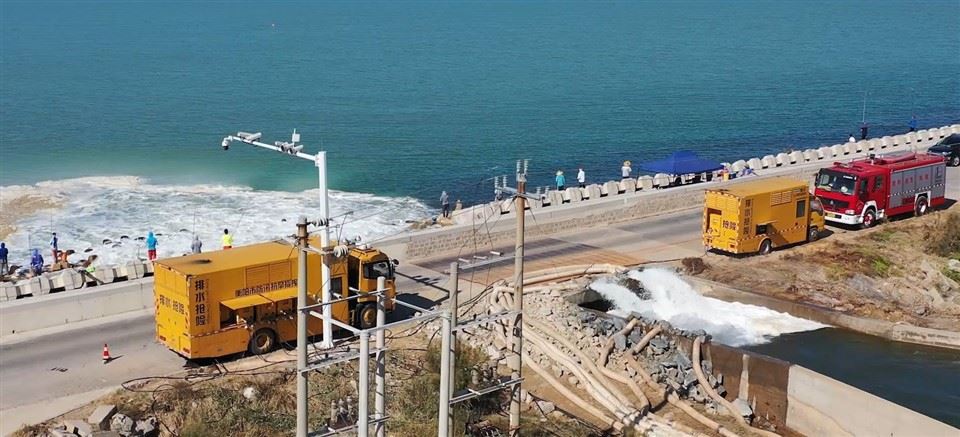

If you need to increase the pumping head, you can set the pressure relief valve to a higher pressure. However, you need to ensure that the pump and the piping system can withstand the higher pressure. Otherwise, it may cause damage to the equipment or pose a safety hazard.
Practical Considerations
When adjusting the pumping head of a Mobile Flood Pump Trailer, there are several practical considerations that you need to keep in mind:
1. Safety First
Adjusting the pumping head of a pump involves working with mechanical and electrical components. You need to follow all safety procedures and wear appropriate personal protective equipment (PPE) to avoid accidents and injuries.
2. Manufacturer's Recommendations
Always refer to the manufacturer's recommendations and guidelines when adjusting the pumping head of the pump. The manufacturer has the expertise and knowledge to provide you with the most accurate and safe adjustment methods.
3. Testing and Monitoring
After adjusting the pumping head of the pump, you need to test and monitor the performance of the pump to ensure that it is operating within the desired parameters. You can use pressure gauges, flow meters, and other monitoring devices to measure the pressure and flow rate of the pump.
4. Maintenance and Inspection
Regular maintenance and inspection of the pump and the piping system are essential to ensure their reliable operation. You need to check the impeller, the bearings, the seals, and the piping for any signs of wear or damage. Replace any worn or damaged components promptly to prevent further problems.
Conclusion
Adjusting the pumping head of a Mobile Flood Pump Trailer is a complex process that requires a good understanding of the pump design and the operating principles. By changing the impeller, adjusting the rotational speed, changing the discharge pipe, and using a pressure relief valve, you can effectively adjust the pumping head of the pump to meet your specific requirements.
As a supplier of Mobile Flood Pump Trailers, we offer a wide range of products, including Emergency Rescue Drainage Pump Trucks, Large Flow Drainage Emergency Rescue Truck, and Dewatering Pump Trailer. Our products are designed to provide reliable and efficient pumping solutions for various applications.
If you are interested in our products or need more information on how to adjust the pumping head of a Mobile Flood Pump Trailer, please feel free to contact us for procurement and negotiation. We are committed to providing you with the best products and services.
References
- Pump Handbook, by Karassik, I. J., Messina, J. P., Cooper, P. T., & Heald, C. C.
- Hydraulic Engineering, by Chow, V. T.
- Fluid Mechanics, by White, F. M.