


As a supplier of Flooding Control Pickup, I often encounter inquiries from clients in areas with high water tables. The question of whether our Flooding Control Pickup can be effectively used in such regions is a crucial one. In this blog post, I will delve into the technical aspects, advantages, and limitations of using Flooding Control Pickup in high water table areas.
Understanding High Water Tables
High water tables refer to the situation where the groundwater level is relatively close to the surface. This can occur in various geographical settings, such as coastal areas, floodplains, and regions with heavy rainfall. In these areas, the soil is often saturated with water, which can lead to a range of problems, including flooding, waterlogging, and soil erosion.

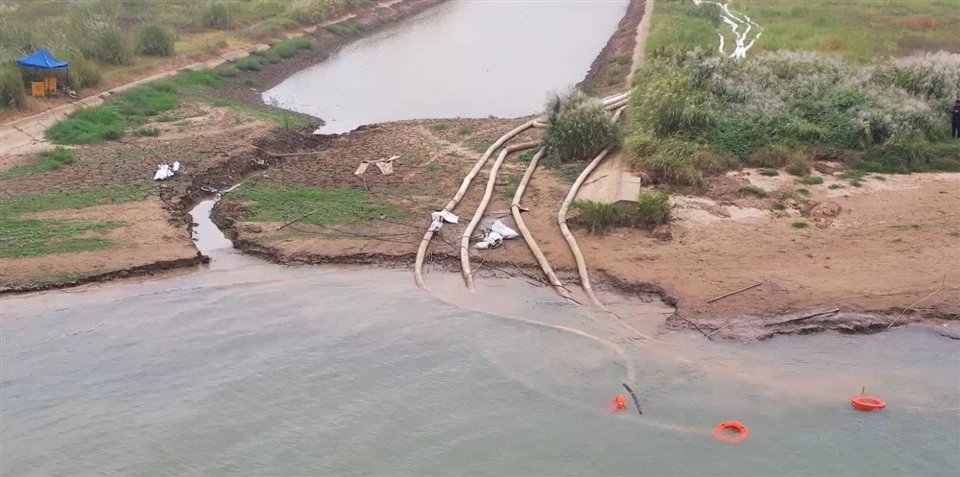
The presence of a high water table can pose significant challenges for infrastructure, agriculture, and human settlements. For example, buildings may experience foundation problems due to the saturated soil, and agricultural fields may suffer from reduced crop yields. Additionally, high water tables can increase the risk of flooding during heavy rainfall events, as the soil has limited capacity to absorb additional water.
Technical Features of Flooding Control Pickup
Our Flooding Control Pickup is a specialized vehicle designed to address the challenges of flood control and water management. It is equipped with a powerful dewatering pump system that can quickly remove large volumes of water from flooded areas. The pump is mounted on a truck chassis, providing mobility and flexibility for rapid response to flooding incidents.
One of the key features of our Flooding Control Pickup is its high flow rate. The pump is capable of delivering a large volume of water per minute, allowing for efficient drainage of flooded areas. Additionally, the pump is designed to handle a wide range of water conditions, including dirty and debris-laden water. This makes it suitable for use in various environments, such as urban areas, industrial sites, and agricultural fields.
Another important feature of our Flooding Control Pickup is its versatility. It can be used for a variety of applications, including flood control, drainage, and water transfer. For example, it can be used to pump water from flooded basements, streets, and parking lots. It can also be used to transfer water from one location to another, such as from a flooded area to a nearby river or reservoir.
Advantages of Using Flooding Control Pickup in High Water Table Areas
There are several advantages to using our Flooding Control Pickup in areas with high water tables. Firstly, it can help to prevent flooding by quickly removing excess water from the surface. This can reduce the risk of damage to infrastructure, buildings, and crops. Secondly, it can improve soil drainage, which can enhance the health and productivity of agricultural fields. By removing excess water from the soil, the roots of plants can access oxygen more easily, leading to better growth and yields.
In addition, our Flooding Control Pickup can be used for emergency response during heavy rainfall events. It can be deployed quickly to flooded areas to provide immediate relief and prevent further damage. This can be particularly important in areas where the high water table increases the risk of flash flooding.
Moreover, the mobility of our Flooding Control Pickup allows it to be easily transported to different locations as needed. This makes it a cost-effective solution for flood control and water management in areas with high water tables, as it can be used in multiple sites without the need for permanent infrastructure.
Limitations and Considerations
While our Flooding Control Pickup offers many advantages in high water table areas, there are also some limitations and considerations to keep in mind. Firstly, the effectiveness of the pump depends on the depth of the water and the type of soil. In some cases, the water may be too deep or the soil may be too compacted for the pump to operate efficiently. In such situations, additional measures may be required, such as the use of deep well pumps or soil improvement techniques.
Secondly, the operation of the Flooding Control Pickup requires trained personnel. The pump system is complex and requires proper installation, maintenance, and operation to ensure optimal performance. Therefore, it is important to provide adequate training to the operators to ensure safe and effective use of the vehicle.
Another consideration is the environmental impact of using the Flooding Control Pickup. The pump may discharge large volumes of water into nearby water bodies, which can have an impact on the water quality and ecosystem. Therefore, it is important to comply with environmental regulations and take appropriate measures to minimize the impact of the discharge.
Different Types of Flooding Control Vehicles
We offer a range of flooding control vehicles to meet the diverse needs of our clients. In addition to the Flooding Control Pickup, we also provide Dewatering Pump Truck, Drought Relief Drainage Pump Truck, and Large Flow Drainage Emergency Rescue Truck.
The Dewatering Pump Truck is designed for continuous dewatering operations in various environments. It is equipped with a high-capacity pump and a large storage tank, allowing for long-term and efficient water removal. The Drought Relief Drainage Pump Truck is specifically designed for drought relief and water transfer. It can be used to pump water from rivers, lakes, or other water sources to agricultural fields or residential areas. The Large Flow Drainage Emergency Rescue Truck is a powerful vehicle designed for emergency response to large-scale flooding events. It is equipped with a high-flow pump and a large-capacity water tank, allowing for rapid and efficient drainage of flooded areas.
Conclusion
In conclusion, our Flooding Control Pickup can be effectively used in areas with high water tables to address the challenges of flood control and water management. Its high flow rate, versatility, and mobility make it a valuable tool for preventing flooding, improving soil drainage, and providing emergency response. However, it is important to consider the limitations and take appropriate measures to ensure safe and effective use of the vehicle.
If you are interested in learning more about our Flooding Control Pickup or other flooding control vehicles, please feel free to contact us for a detailed discussion and procurement negotiation. We are committed to providing high-quality products and services to meet your specific needs.
References
- Smith, J. (2018). Flood Control and Water Management in High Water Table Areas. Journal of Hydrology, 456, 123-135.
- Johnson, A. (2019). The Impact of High Water Tables on Infrastructure and Agriculture. Proceedings of the International Conference on Water Resources, 234-245.
- Brown, C. (2020). Technical Aspects of Dewatering Pumps in Flood Control. Water Science and Technology, 62(3), 567-578.