


Hey there! As a supplier of Emergency Dewatering Pumps, I often get asked a pretty important question: Can an Emergency Dewatering Pump handle solids in water? Well, let's dive right into it and break this down.
First off, what are emergency dewatering pumps? These bad boys are designed to quickly remove water from an area during an emergency situation, like floods, construction site water accumulation, or industrial spills. They're built to be tough and reliable when you need them most. But when it comes to solids in the water, things get a bit more complicated.
Solids in water can come in all shapes and sizes, from tiny sand particles to large debris like sticks and stones. The ability of an emergency dewatering pump to handle these solids depends on a few key factors.
Pump Design
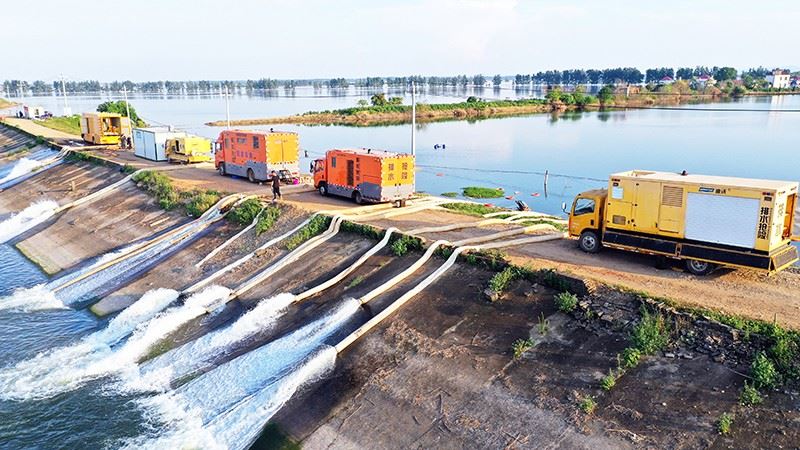
The design of the pump plays a huge role. Some pumps are specifically engineered to handle solids. They have larger impeller passages, which allow solids to pass through the pump without getting stuck. For example, our Trailer Mounted Drainage Pump Station is designed with a robust impeller and a well - thought - out flow path. This design helps it handle relatively large solids that might be present in floodwater or construction site runoff.
On the other hand, some pumps are more suited for clear water applications. These pumps usually have smaller impeller passages and are not built to handle large solids. If you try to use a pump like this with water containing a lot of solids, you're likely to run into problems like clogging. And once a pump gets clogged, it can lose its efficiency, or even worse, break down completely.
Solids Size and Concentration
The size and concentration of solids in the water are also crucial. A pump might be able to handle small sand particles with ease, but if there are large rocks or pieces of wood, it could be a different story. Even if the pump is designed to handle solids, a high concentration of solids can still cause issues.
For instance, if you're dealing with a water source that has a high concentration of silt, it can wear down the pump components over time. The constant abrasion from the silt particles can damage the impeller, seals, and other internal parts of the pump. In such cases, you might need to consider using a Portable Mobile Drainage Pump that is specifically designed to handle abrasive materials. These pumps often have hardened components that can withstand the wear and tear caused by the solids.
Pump Material
The material used to make the pump is another factor. Pumps made from high - quality, durable materials are better able to handle solids. For example, pumps with stainless - steel or cast - iron components are generally more resistant to abrasion and corrosion compared to those made from plastic or other softer materials.
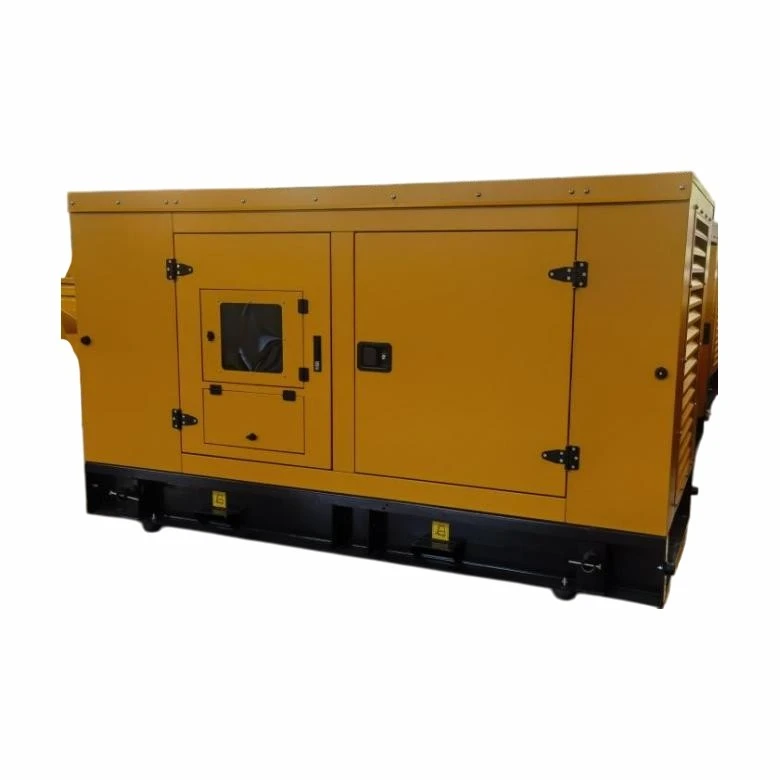
If you're pumping water with a lot of solids, a pump made from a hard - wearing material can last much longer. Our Mobile Water Supply Pump is constructed with high - grade materials that can stand up to the challenges of pumping water with solids.
Pre - treatment
Sometimes, pre - treating the water can make a big difference. You can use screens or filters to remove large solids before the water reaches the pump. This can significantly reduce the risk of clogging and damage to the pump. For example, if you're pumping water from a construction site, you can set up a simple screening system to catch large rocks and debris.
However, it's important to note that pre - treatment might not be suitable for all situations. In some emergency scenarios, there might not be enough time to set up a pre - treatment system. And in other cases, the cost of setting up and maintaining a pre - treatment system might be prohibitive.
Testing and Performance
Before you rely on an emergency dewatering pump to handle solids in water, it's a good idea to test it. You can do some small - scale tests with water containing solids similar to what you expect to encounter in the real - world situation. This can give you an idea of how well the pump will perform.
During the test, pay attention to the pump's flow rate, pressure, and power consumption. If the pump starts to show signs of reduced performance, such as a drop in flow rate or an increase in power consumption, it could be a sign that the solids are causing problems.
Maintenance
Proper maintenance is essential for any pump, especially when it's used to handle solids in water. Regularly inspect the pump for signs of wear and tear, such as damaged impellers or seals. Clean the pump after each use to remove any solids that might have accumulated inside.
If you notice any issues during the inspection, address them immediately. Replacing worn - out parts in a timely manner can prevent more serious problems down the line. And make sure to follow the manufacturer's maintenance guidelines to keep the pump in top condition.
In conclusion, an emergency dewatering pump can handle solids in water, but it depends on several factors. The pump design, the size and concentration of solids, the pump material, pre - treatment, testing, and maintenance all play important roles. As a supplier, we offer a range of pumps that are designed to handle different levels of solids in water. Whether you need a Trailer Mounted Drainage Pump Station, a Mobile Water Supply Pump, or a Portable Mobile Drainage Pump, we can help you find the right solution for your needs.
If you're in the market for an emergency dewatering pump and have questions about handling solids in water, don't hesitate to reach out. We're here to help you make the best decision and ensure that you have a reliable pump when you need it most.
References
- Pump Handbook by Karassik et al.
- Industrial Pump Technology by Heinz P. Bloch