


Can a fire water supply pump be used in industrial facilities? This is a question that often arises among industrial operators and facility managers. As a supplier of fire water supply pumps, I am frequently asked about the suitability and practicality of using these pumps in industrial settings. In this blog post, I will explore the various aspects of using fire water supply pumps in industrial facilities, including their functionality, benefits, limitations, and considerations.
Functionality of Fire Water Supply Pumps
Fire water supply pumps are designed to provide a reliable and sufficient supply of water for firefighting purposes. They are typically used in conjunction with fire protection systems such as sprinklers, hydrants, and foam systems. These pumps are capable of delivering high volumes of water at high pressures, ensuring that the fire suppression systems can operate effectively.
In industrial facilities, fire water supply pumps play a crucial role in protecting valuable assets, equipment, and personnel from the devastating effects of fires. They are often installed in dedicated pump houses or pump rooms and are connected to a water source such as a reservoir, tank, or municipal water supply. The pumps are activated automatically in the event of a fire, either by a fire alarm system or a manual override.
Benefits of Using Fire Water Supply Pumps in Industrial Facilities
There are several benefits to using fire water supply pumps in industrial facilities. Firstly, they provide a reliable and consistent water supply for firefighting, which is essential for controlling and extinguishing fires quickly. This can help to minimize damage to the facility and reduce the risk of injuries or fatalities.
Secondly, fire water supply pumps are designed to meet strict safety and performance standards. They are typically tested and certified by independent organizations such as Underwriters Laboratories (UL) and the National Fire Protection Association (NFPA). This ensures that the pumps are reliable, durable, and capable of operating under extreme conditions.
Thirdly, using fire water supply pumps can help industrial facilities comply with local fire codes and regulations. Many jurisdictions require industrial facilities to have a fire protection system in place, including a reliable water supply. By installing a fire water supply pump, facilities can demonstrate their commitment to safety and compliance.

Limitations and Considerations
While fire water supply pumps offer many benefits, there are also some limitations and considerations that need to be taken into account. One of the main limitations is the initial cost of installation. Fire water supply pumps can be expensive to purchase and install, especially for large industrial facilities. In addition, there are ongoing maintenance and operating costs associated with these pumps, including regular inspections, testing, and repairs.
Another consideration is the availability of a reliable water source. Fire water supply pumps require a sufficient and continuous supply of water to operate effectively. In some industrial facilities, accessing a reliable water source can be a challenge, especially in remote or arid locations. In these cases, alternative water sources such as water storage tanks or boreholes may need to be considered.
It is also important to ensure that the fire water supply pump is properly sized and configured for the specific needs of the industrial facility. This requires a detailed analysis of the fire protection requirements, including the size and layout of the facility, the type of occupancy, and the potential fire hazards. A professional fire protection engineer or consultant can help to determine the appropriate pump size and configuration for the facility.
Complementary Equipment for Industrial Applications
In addition to fire water supply pumps, there are other types of equipment that can be used in industrial facilities to enhance fire protection and water management. For example, Disaster Water Drainage Equipment can be used to remove excess water from the facility in the event of a flood or other water-related disaster. These pumps are designed to handle large volumes of water quickly and efficiently, helping to prevent damage to the facility and its contents.
Drainage pumps are another type of equipment that can be used in industrial facilities. These pumps are typically used to remove water from low-lying areas, sumps, or basements. They are available in a variety of sizes and configurations, depending on the specific application and the volume of water that needs to be removed.
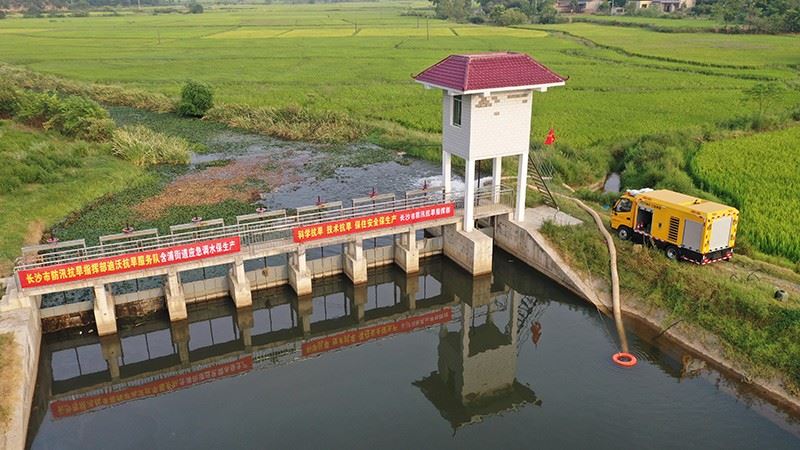
For larger industrial facilities, Diesel Drainage Pump Truck may be a more suitable option. These trucks are equipped with powerful diesel engines and large-capacity pumps, allowing them to quickly and effectively remove water from large areas. They are often used in construction sites, mines, and other industrial settings where there is a need for mobile and high-capacity water removal equipment.
Conclusion
In conclusion, fire water supply pumps can be a valuable asset in industrial facilities, providing a reliable and sufficient water supply for firefighting purposes. While there are some limitations and considerations that need to be taken into account, the benefits of using these pumps far outweigh the costs. By investing in a high-quality fire water supply pump and ensuring that it is properly installed, maintained, and operated, industrial facilities can enhance their fire protection capabilities and reduce the risk of fire-related damage and losses.
If you are considering installing a fire water supply pump in your industrial facility or have any questions about our products and services, please do not hesitate to contact us. Our team of experts is available to provide you with more information and to help you choose the right pump for your specific needs. We look forward to working with you to ensure the safety and protection of your industrial facility.
References
- National Fire Protection Association (NFPA). NFPA 20: Standard for the Installation of Stationary Pumps for Fire Protection.
- Underwriters Laboratories (UL). UL 448: Standard for Fire Pumps.
- International Fire Code (IFC). Chapter 9: Fire Protection Systems.