


Can a drainage pump vehicle be used in tunnel construction drainage? That's a question I get asked a lot as a supplier of drainage pump vehicles. Today, I'm going to dive deep into this topic and share my thoughts and experiences with all of you.
First off, let's talk about the basics of tunnel construction drainage. When you're building a tunnel, water can be a real pain in the neck. It can come from groundwater seepage, surface water runoff, or even from the construction process itself, like when you're doing wet blasting or using water for dust suppression. If you don't get rid of this water quickly and efficiently, it can cause all sorts of problems. It can make the construction site muddy and slippery, which is dangerous for the workers. It can also damage the construction equipment and delay the project timeline. So, having a good drainage system is crucial for successful tunnel construction.
Now, let's get to the main question: Can a drainage pump vehicle be used for this job? The short answer is yes, and here's why.
1. Mobility
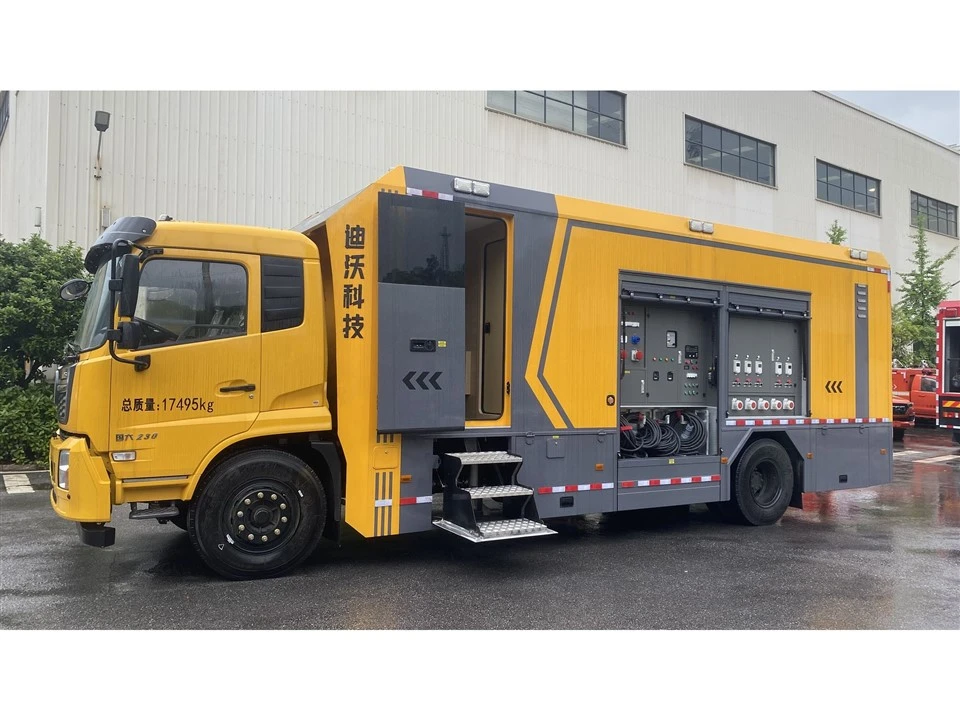
One of the biggest advantages of a drainage pump vehicle is its mobility. Tunnel construction sites are often large and spread out, and water can accumulate in different areas at different times. With a drainage pump vehicle, you can easily move it from one location to another as needed. You don't have to worry about setting up a fixed drainage system for each spot. For example, if you're working on a long tunnel and water starts to pool at the far end, you can just drive the pump vehicle there and start pumping right away. This saves a lot of time and effort compared to traditional fixed - drainage methods. You can check out our Mobile Pump Drainage Rescue Trucks to see how they can offer this kind of mobility on your tunnel construction site.
2. High - Capacity Pumping
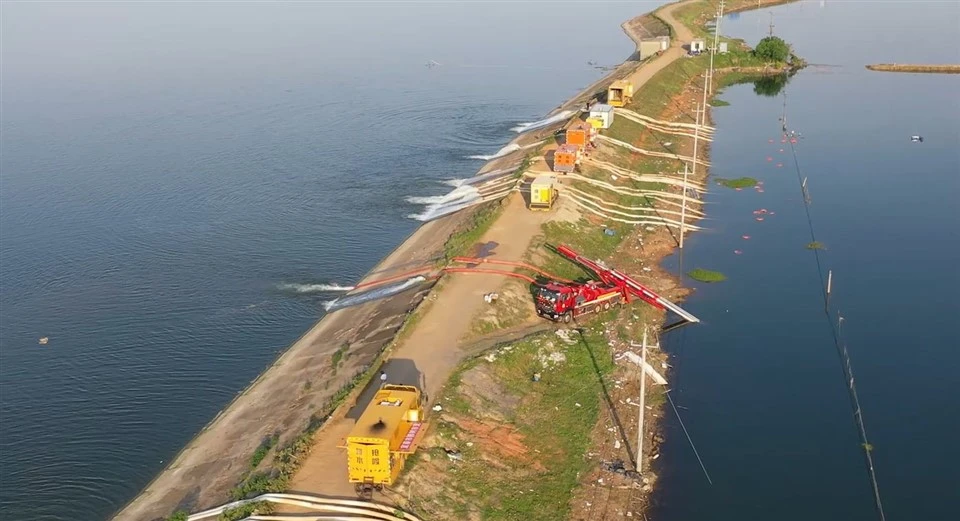
Most drainage pump vehicles are equipped with high - capacity pumps. These pumps can move a large volume of water in a short period. In tunnel construction, where you might have a sudden influx of water, a high - capacity pump is essential. For instance, if there's a heavy rainstorm and a lot of surface water rushes into the tunnel, a powerful pump on the vehicle can quickly remove the water and prevent flooding. This helps to keep the construction site safe and on schedule.
3. Adaptability
The conditions in a tunnel construction site can be quite variable. The water might be dirty and contain debris like mud, sand, and small rocks. A good drainage pump vehicle is designed to handle such challenging conditions. The pumps often have features like large - diameter impellers and wear - resistant materials to prevent clogging and damage. They can also be adjusted to different pumping heads and flow rates depending on the specific requirements of the site.
4. Quick Deployment
Time is of the essence in construction, especially when it comes to dealing with water issues. Drainage pump vehicles can be deployed quickly. You don't need to spend a long time installing and setting up a complicated drainage system. As soon as you identify a water problem, you can drive the vehicle to the location and start the pumping operation within minutes. This rapid response can help minimize the impact of water on the construction process.
However, it's not all sunshine and rainbows. There are also some considerations when using a drainage pump vehicle in tunnel construction.
1. Tunnel Dimensions
The size of the tunnel matters. If the tunnel is too narrow or has low clearance, it might be difficult to maneuver the drainage pump vehicle. You need to make sure that the vehicle can fit through the tunnel and reach all the areas where water needs to be pumped out. Before choosing a vehicle, you should measure the dimensions of the tunnel and select a pump vehicle with an appropriate size.
2. Ventilation
The operation of the pump vehicle in a tunnel can generate exhaust fumes. In a confined space like a tunnel, proper ventilation is necessary to ensure the safety of the workers. You need to have a ventilation system in place to remove the fumes and maintain good air quality.
3. Power Supply
Most drainage pump vehicles are powered by diesel engines. While this provides a reliable source of power, you need to ensure that there is a sufficient supply of diesel fuel on the construction site. Running out of fuel in the middle of a pumping operation can cause serious problems.
In my experience, if you can address these considerations, a drainage pump vehicle can be a great asset in tunnel construction drainage. It offers a flexible, efficient, and cost - effective solution.
We offer a range of drainage pump vehicles that are suitable for tunnel construction. Our Flooding and Dainage Pump Truck is designed to handle large - scale water removal tasks, and our Engineering Water Drainage Rescue Vehicles are built to adapt to different construction environments.
If you're working on a tunnel construction project and are looking for a reliable drainage solution, I encourage you to get in touch with us. We can provide you with more information about our products, help you choose the right drainage pump vehicle for your specific needs, and even offer on - site support. Don't let water issues slow down your tunnel construction. Let our drainage pump vehicles do the job for you!
References
- Industry reports on tunnel construction and drainage technologies
- Manufacturer's specifications for drainage pump vehicles