


As a supplier of drainage pump vehicles, I've often been asked whether these vehicles can be used for ship bilge drainage. This question delves into the intersection of land - based drainage technology and marine applications. In this blog, I'll explore the feasibility, advantages, limitations, and considerations of using a drainage pump vehicle for ship bilge drainage.
Feasibility Analysis
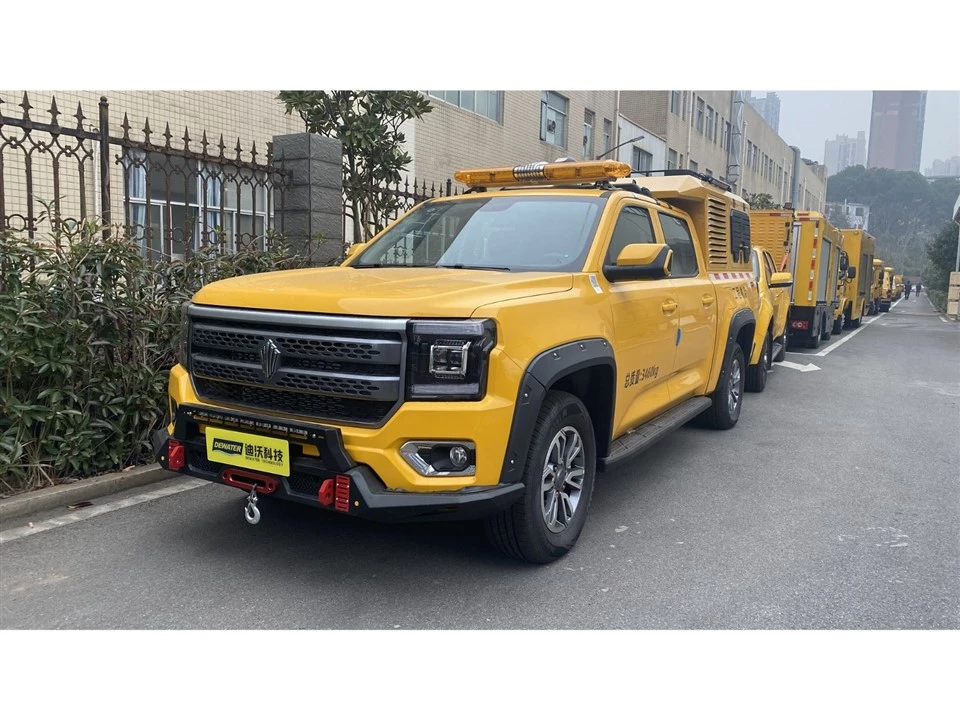
First, let's understand the basic functions of a drainage pump vehicle and the requirements of ship bilge drainage. A drainage pump vehicle is a specialized vehicle equipped with high - power pumps and related equipment, designed to quickly drain large volumes of water from various flooded areas. It is often used in urban flood control, emergency rescue at disaster sites such as Drainage Pump Vehicles in Disaster Sites, and construction site dewatering.
Ship bilge drainage, on the other hand, is the process of removing water that accumulates in the lowest part of a ship's hull, known as the bilge. This water can come from various sources, including leakage, condensation, and firefighting operations. The key requirements for ship bilge drainage are efficient water removal, reliable operation in a marine environment, and compliance with relevant marine safety regulations.
From a technical perspective, the pumps on a drainage pump vehicle have the potential to handle the task of bilge drainage. Many drainage pump vehicles are equipped with centrifugal pumps or submersible pumps that can generate sufficient suction and flow to remove water from the bilge. The high - power engines on these vehicles can provide the necessary power for the pumps to operate effectively.
Advantages of Using a Drainage Pump Vehicle
High - Capacity Drainage
One of the significant advantages of using a drainage pump vehicle is its high - capacity drainage capability. Compared to some traditional ship - borne bilge pumps, drainage pump vehicles can often pump a larger volume of water per unit time. This is particularly useful in emergency situations where a large amount of water needs to be removed quickly to prevent the ship from capsizing or suffering other serious damage.
Mobility and Flexibility
Drainage pump vehicles are highly mobile. They can be easily transported to different locations, including ports and shipyards. This means that in case of an emergency, a drainage pump vehicle can be quickly dispatched to a ship in need of bilge drainage. Additionally, the flexibility of a drainage pump vehicle allows it to be used for multiple ships or different parts of the same ship, depending on the specific requirements.
Cost - Effectiveness
In some cases, using a drainage pump vehicle can be more cost - effective than installing and maintaining a dedicated high - capacity bilge pumping system on every ship. Instead of investing in expensive ship - borne equipment, shipowners can rely on the services provided by drainage pump vehicle suppliers when needed. This can significantly reduce the initial investment and long - term maintenance costs.
Limitations and Challenges
Marine Environment Adaptability
The marine environment is harsh, with high humidity, saltwater corrosion, and constant vibration. Drainage pump vehicles are primarily designed for land - based use, and their components may not be fully resistant to these marine conditions. For example, the metal parts of the vehicle and the pump may be prone to corrosion in saltwater, which can reduce their service life and reliability.

Space and Installation Constraints
Ships have limited space, especially in the bilge area. Installing a drainage pump vehicle or connecting it to the ship's bilge system may face space and installation challenges. The hoses and pipes used for water transfer need to be properly routed and secured to ensure efficient and safe operation.
Regulatory Compliance
The use of a drainage pump vehicle for ship bilge drainage must comply with relevant marine safety regulations. These regulations cover various aspects, such as the design and performance of the pumping equipment, the quality of the water discharged, and the safety procedures during operation. Ensuring compliance with these regulations can be a complex and time - consuming process.
Considerations for Using a Drainage Pump Vehicle in Ship Bilge Drainage
Equipment Modification
To overcome the limitations of marine environment adaptability, the drainage pump vehicle may need to be modified. This can include using corrosion - resistant materials for the pump and other components, as well as implementing proper sealing and waterproofing measures. Additionally, the vehicle's electrical system may need to be upgraded to meet the safety requirements of the marine environment.
Installation and Connection
Proper installation and connection are crucial for the effective use of a drainage pump vehicle in ship bilge drainage. The hoses and pipes used for water transfer should be of appropriate length and diameter to ensure efficient water flow. They also need to be securely connected to prevent leakage. Moreover, the vehicle should be positioned in a stable location to avoid any movement during operation.
Training and Safety Procedures
The operators of the drainage pump vehicle need to be trained in ship bilge drainage procedures and safety regulations. They should be familiar with the ship's bilge system, the operation of the drainage pump vehicle, and the emergency response measures. Safety procedures, such as wearing appropriate personal protective equipment and following proper shutdown procedures, should be strictly followed to prevent accidents.
Conclusion
In conclusion, a drainage pump vehicle can be used for ship bilge drainage under certain conditions. Its high - capacity drainage, mobility, and cost - effectiveness make it an attractive option in some situations. However, it also faces challenges in terms of marine environment adaptability, space and installation constraints, and regulatory compliance.
As a drainage pump vehicle supplier, we offer a range of products, including Emergency Rescue Drainage Pump Trucks and Flooding Control Pickup, which can be customized to meet the specific needs of ship bilge drainage. If you are interested in our products or services, please feel free to contact us for further information and procurement discussions. We are committed to providing high - quality drainage solutions to our customers.
References
- "Marine Engineering Handbook", Various Authors
- "Drainage System Design and Operation Manual", Industry - Specific Publications
- "Safety Regulations for Marine Equipment", International Maritime Organization