


Can a drainage pump vehicle be used in oilfield wastewater drainage?
As a supplier of drainage pump vehicles, I often receive inquiries about the versatility of our products. One question that frequently arises is whether a drainage pump vehicle can be used in oilfield wastewater drainage. In this blog post, I'll delve into this topic, exploring the feasibility, advantages, and considerations when using drainage pump vehicles for oilfield wastewater management.
Understanding Oilfield Wastewater
Oilfield wastewater, also known as produced water, is a by - product of oil and gas extraction. It contains a complex mixture of substances, including water, oil, salts, heavy metals, and various chemicals used in the extraction process. The composition of oilfield wastewater can vary significantly depending on the location of the oilfield, the type of extraction method employed, and the age of the well.
Feasibility of Using Drainage Pump Vehicles
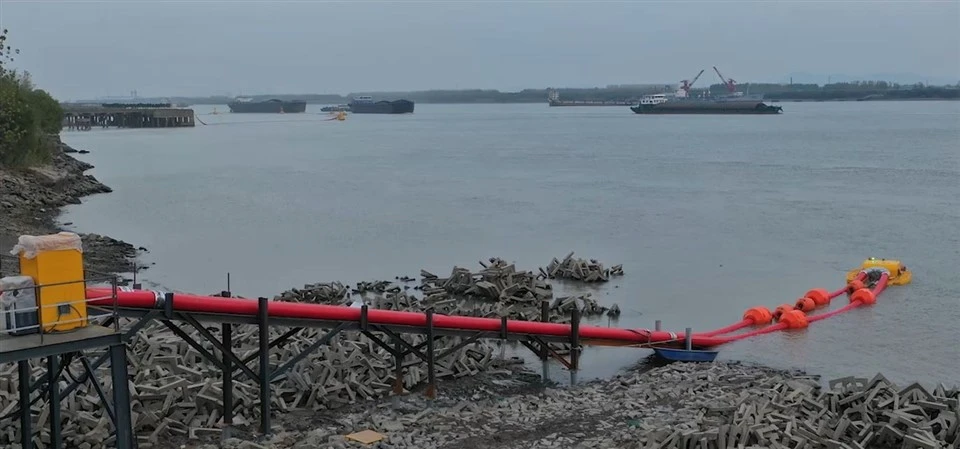
The short answer is yes, drainage pump vehicles can be used in oilfield wastewater drainage, but with certain conditions and considerations.
-
Pump Capacity and Power
Drainage pump vehicles come in a variety of capacities and power ratings. For oilfield applications, high - capacity pumps are often required due to the large volumes of wastewater that need to be removed. Our Large Mobile Drainage Pump Station is designed to handle high - flow rates, making it suitable for large - scale oilfield wastewater drainage operations. These pumps are powered by robust engines that can provide the necessary energy to move the wastewater over long distances and against significant head pressures.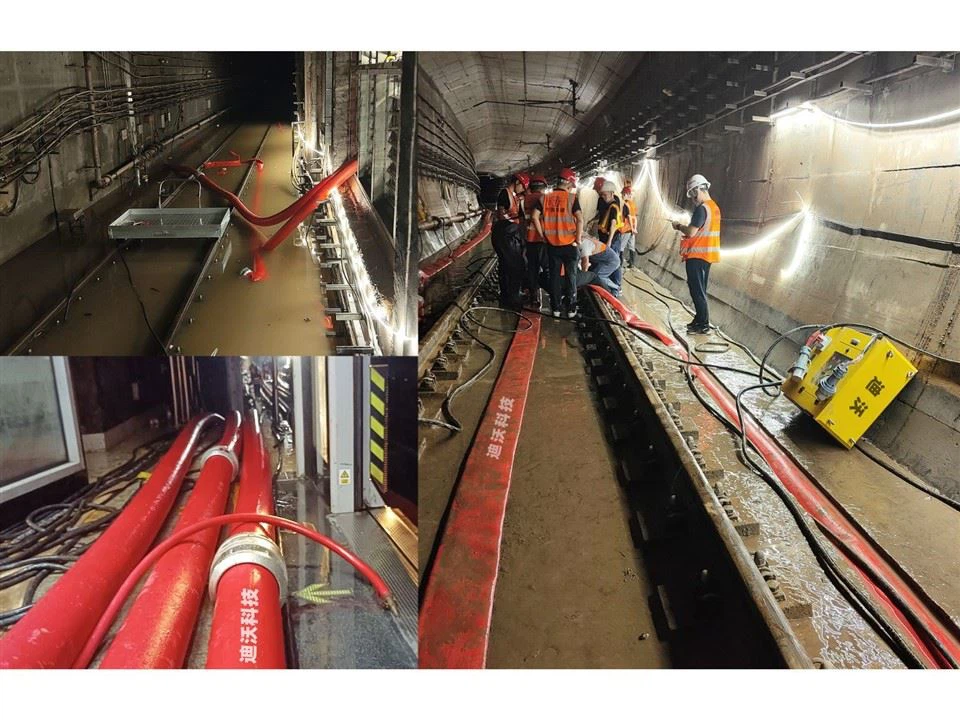
-
Material Compatibility
The components of the pump and the associated piping must be made of materials that are resistant to the corrosive and abrasive nature of oilfield wastewater. Stainless steel, high - density polyethylene (HDPE), and other corrosion - resistant materials are commonly used in the construction of our drainage pump vehicles. This ensures that the pumps can operate effectively in the harsh environment of an oilfield without suffering from premature wear and tear. -
Separation and Treatment
In addition to pumping the wastewater, it may be necessary to separate the oil and other contaminants from the water. Some of our drainage pump vehicles can be equipped with integrated separation and treatment systems. These systems use various techniques such as gravity separation, filtration, and chemical treatment to remove oil and other impurities from the wastewater before it is discharged or reused.
Advantages of Using Drainage Pump Vehicles in Oilfield Wastewater Drainage
-
Mobility
One of the key advantages of drainage pump vehicles is their mobility. They can be easily transported to different locations within the oilfield, allowing for flexible and efficient wastewater management. Whether it's a remote well site or a large - scale production facility, our Flood Control Pump Truck and Dewatering Pump Trailer can be quickly deployed to address wastewater drainage needs. -
Rapid Deployment
In emergency situations, such as a sudden influx of wastewater due to a well blowout or equipment failure, drainage pump vehicles can be rapidly deployed to prevent flooding and minimize environmental damage. Their quick setup time ensures that wastewater can be removed from the site in a timely manner, reducing the risk of contamination and operational disruptions.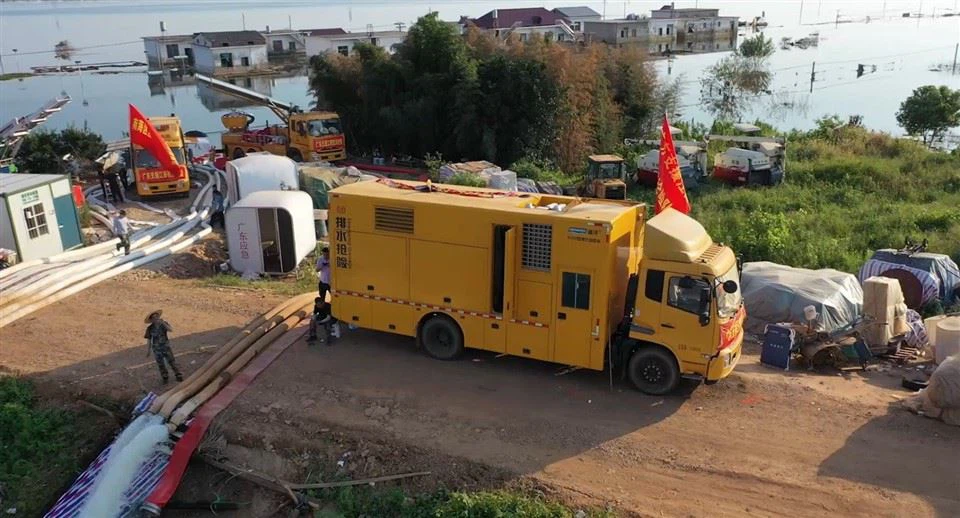
-
Cost - Effectiveness
Compared to traditional fixed - installation pumping systems, drainage pump vehicles offer a more cost - effective solution for oilfield wastewater drainage. They eliminate the need for expensive infrastructure construction and can be rented or purchased at a relatively low cost. Additionally, their mobility allows for shared use across multiple sites, further reducing the overall cost of wastewater management.
Considerations and Challenges
-
Regulatory Compliance
Oilfield wastewater management is subject to strict environmental regulations. When using drainage pump vehicles, it is essential to ensure that the wastewater is treated and disposed of in compliance with local, state, and federal regulations. This may require additional treatment equipment and monitoring systems to meet the required discharge standards. -
Maintenance and Service
Regular maintenance is crucial to ensure the reliable operation of drainage pump vehicles. The harsh operating conditions in an oilfield can accelerate wear and tear on the pumps and other components. Our company provides comprehensive maintenance and service packages to ensure that our customers' drainage pump vehicles are always in optimal working condition. -
Safety
Safety is of utmost importance when working with oilfield wastewater. The wastewater may contain hazardous substances, and proper safety measures must be in place to protect the operators and the environment. Our drainage pump vehicles are designed with safety features such as leak - detection systems, emergency shut - off valves, and protective enclosures to minimize the risk of accidents.
Conclusion
In conclusion, drainage pump vehicles can be effectively used in oilfield wastewater drainage. Their mobility, rapid deployment capabilities, and cost - effectiveness make them an attractive option for oilfield operators. However, it is essential to consider the specific requirements of the oilfield, including pump capacity, material compatibility, separation and treatment needs, regulatory compliance, maintenance, and safety.
If you are an oilfield operator looking for a reliable solution for wastewater drainage, I encourage you to reach out to us. Our team of experts can help you select the right drainage pump vehicle for your specific needs and provide you with comprehensive support and service. Contact us today to start a discussion about your oilfield wastewater management requirements and explore how our drainage pump vehicles can meet your challenges.
References
- API Recommended Practice 14C: Analysis, Design, Installation, and Testing of Basic Surface Safety Systems for Offshore Production Platforms. American Petroleum Institute.
- USEPA. "Produced Water Management in Oil and Gas Production." United States Environmental Protection Agency.
- "Wastewater Treatment in the Oil and Gas Industry." Journal of Petroleum Science and Engineering.