


In the bustling environment of shipyards, efficient bilge water removal is crucial for maintaining the safety and functionality of vessels. As a supplier of Dewatering Pump Trailers, I often encounter inquiries about the suitability of our products for this specific application. In this blog post, I will explore whether a dewatering pump trailer can be effectively used in shipyards for bilge water removal.
Understanding Bilge Water in Shipyards
Bilge water is a common by - product in shipyards. It consists of a mixture of water, oil, grease, sediment, and other contaminants that accumulate in the lowest part of a ship's hull, known as the bilge. This water can pose several problems if not removed promptly. It can cause corrosion of the ship's structure, reduce the vessel's stability, and potentially lead to environmental pollution if it contains harmful substances.
The removal of bilge water requires a reliable and efficient pumping system. Traditional methods of bilge water removal may involve fixed - installed pumps on the ships themselves. However, these pumps may have limitations in terms of capacity, mobility, and flexibility, especially when dealing with large - scale shipyard operations.
Features of Dewatering Pump Trailers
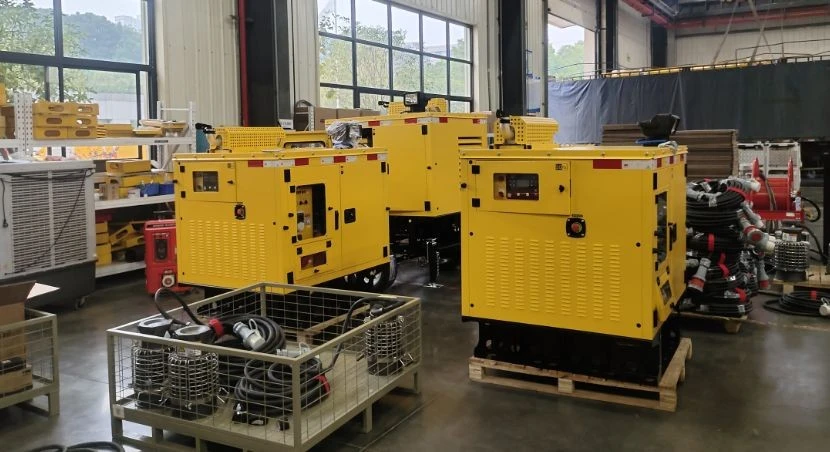
Dewatering pump trailers are designed to provide a mobile and powerful solution for water removal in various applications. Here are some of the key features that make them potentially suitable for shipyard bilge water removal:

Mobility
One of the significant advantages of dewatering pump trailers is their mobility. They are mounted on trailers, which can be easily towed to different locations within the shipyard. This means that a single pump trailer can serve multiple vessels or areas in the shipyard, eliminating the need for multiple fixed - installed pumps. For example, if there is a sudden influx of bilge water in a particular section of the shipyard, the dewatering pump trailer can be quickly deployed to that location.
High - Capacity Pumping
Our Dewatering Pump Trailers are equipped with high - capacity pumps that can handle large volumes of water. In shipyards, where bilge water can accumulate rapidly, a high - capacity pump is essential to keep up with the inflow. These pumps are designed to operate continuously for extended periods, ensuring that the bilge water is removed efficiently.
Versatility
Dewatering pump trailers can handle different types of water, including water with high levels of solids and contaminants. Bilge water in shipyards often contains oil, grease, and sediment, and our pump trailers are capable of pumping this dirty water without clogging easily. The pumps are designed with features such as large - diameter impellers and wear - resistant materials to handle the abrasive nature of the bilge water.
Considerations for Using Dewatering Pump Trailers in Shipyards
While dewatering pump trailers offer many advantages, there are also some considerations to keep in mind when using them in shipyards for bilge water removal:
Environmental Regulations
Shipyards are subject to strict environmental regulations regarding the disposal of bilge water. The bilge water often contains oil and other pollutants, and it must be treated before being discharged. Our dewatering pump trailers can be integrated with appropriate filtration and treatment systems to ensure that the water meets the environmental standards. For example, oil - water separators can be installed to remove the oil from the bilge water before it is pumped out.
Safety
Safety is of utmost importance in shipyards. When using dewatering pump trailers, proper safety measures must be taken. The trailers should be parked on stable ground to prevent tipping over. Electrical components should be properly grounded to avoid electrical hazards. Additionally, operators should be trained on the safe operation of the pump trailers, including how to handle emergency situations.
Compatibility with Ship Structures
The design of the dewatering pump trailer and its hoses should be compatible with the ship's structure. The hoses need to be long enough to reach the bilge area of the ship, and they should be flexible enough to be maneuvered around obstacles. The pump's suction and discharge capabilities should also be carefully considered to ensure that they can effectively remove the bilge water from the ship.
Real - World Applications
There have been several successful applications of dewatering pump trailers in shipyards. For instance, in a large commercial shipyard, our Trailer Mounted Pumps were used to remove bilge water from multiple vessels during the repair and maintenance process. The mobility of the pump trailers allowed the shipyard workers to quickly move the pumps from one ship to another, reducing downtime and increasing efficiency.
In another case, a shipyard dealing with a sudden flood in the dry - dock area used our Mobile Flood Pump Trailer to remove the excess water, which included a significant amount of bilge water. The high - capacity pump was able to handle the large volume of water, and the mobile nature of the trailer made it easy to position the pump for optimal water removal.
Conclusion
In conclusion, dewatering pump trailers can be effectively used in shipyards for bilge water removal. Their mobility, high - capacity pumping, and versatility make them a valuable asset in shipyard operations. However, it is essential to consider environmental regulations, safety, and compatibility with ship structures when using these pump trailers.
If you are in the shipyard industry and are looking for a reliable solution for bilge water removal, our dewatering pump trailers could be the answer. We are committed to providing high - quality products and excellent customer service. Contact us to discuss your specific requirements and explore how our dewatering pump trailers can meet your needs. We look forward to working with you to ensure efficient and safe bilge water removal in your shipyard.
References
- "Marine Engineering: Principles, Practices, and Regulations"
- "Pump Handbook"
- Industry reports on shipyard operations and water management