


Hey there! As a supplier of Diesel Flood Control Pumps, I often get asked about the environmental impacts of using these pumps. It's a valid concern, and one that I think is important to address. In this blog post, I'll dive into the topic and share my thoughts on the matter.
Let's start with the basics. Diesel Flood Control Pumps are powerful machines designed to move large volumes of water quickly. They're commonly used in flood control, emergency drainage, and other water management applications. These pumps are typically powered by diesel engines, which means they burn diesel fuel to generate the energy needed to operate.
So, what are the environmental impacts of using a Diesel Flood Control Pump? Well, the main concern is air pollution. Diesel engines emit a variety of pollutants, including particulate matter (PM), nitrogen oxides (NOx), and sulfur oxides (SOx). These pollutants can have a negative impact on air quality and human health, especially in areas with high levels of traffic or industrial activity.
Particulate matter is a mixture of tiny particles and droplets that can be inhaled deep into the lungs. Exposure to PM can cause respiratory problems, such as coughing, wheezing, and shortness of breath, as well as more serious health issues, such as lung cancer and heart disease. Nitrogen oxides are a group of gases that can react with other pollutants in the atmosphere to form ground-level ozone, a harmful air pollutant that can cause respiratory problems and damage to crops and other vegetation. Sulfur oxides are another group of gases that can react with water vapor in the atmosphere to form acid rain, which can damage forests, lakes, and other ecosystems.
In addition to air pollution, Diesel Flood Control Pumps can also have an impact on water quality. Diesel fuel is a petroleum product that can contain a variety of toxic chemicals, such as benzene, toluene, and xylene. If diesel fuel is spilled or leaked into water bodies, it can contaminate the water and harm aquatic life. Diesel engines also produce wastewater, which can contain oil, grease, and other pollutants. If this wastewater is not properly treated and disposed of, it can also contaminate water bodies and harm the environment.
So, what can be done to minimize the environmental impacts of using a Diesel Flood Control Pump? Well, there are several steps that can be taken to reduce emissions and prevent spills and leaks. One of the most effective ways to reduce emissions is to use cleaner-burning diesel engines. Many modern diesel engines are equipped with advanced emission control technologies, such as diesel particulate filters (DPFs) and selective catalytic reduction (SCR) systems, which can significantly reduce emissions of PM, NOx, and SOx.
Another way to reduce emissions is to use biodiesel, a renewable fuel made from vegetable oils or animal fats. Biodiesel is a cleaner-burning alternative to traditional diesel fuel, and it can reduce emissions of PM, NOx, and SOx by up to 50%. Biodiesel can also be used in existing diesel engines without any modifications, making it a convenient and cost-effective way to reduce emissions.

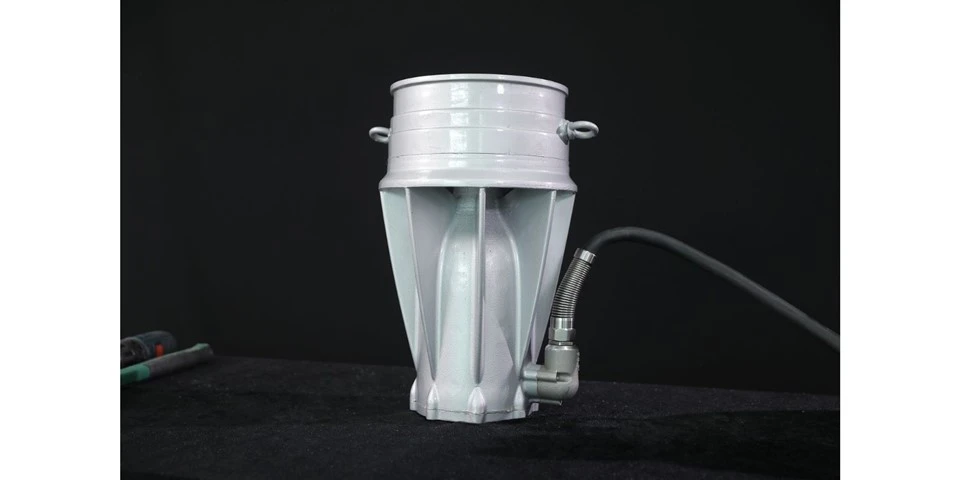
In addition to using cleaner-burning engines and fuels, it's also important to properly maintain and operate Diesel Flood Control Pumps. Regular maintenance can help ensure that the pumps are running efficiently and that emissions are minimized. It's also important to follow proper operating procedures to prevent spills and leaks. For example, diesel fuel should be stored in approved containers and handled carefully to prevent spills. If a spill does occur, it should be cleaned up immediately using appropriate spill response equipment.
Finally, it's important to consider the environmental impacts of using a Diesel Flood Control Pump when making purchasing decisions. When choosing a pump, look for models that are designed to be energy-efficient and have low emissions. You may also want to consider using alternative pumping technologies, such as electric pumps or solar-powered pumps, which can be more environmentally friendly.
In conclusion, while Diesel Flood Control Pumps can have some environmental impacts, there are steps that can be taken to minimize these impacts. By using cleaner-burning engines and fuels, properly maintaining and operating the pumps, and considering alternative pumping technologies, we can reduce emissions and protect the environment. As a supplier of Diesel Flood Control Pumps, I'm committed to providing my customers with high-quality, energy-efficient pumps that are designed to minimize their environmental impact.
If you're in the market for a Diesel Flood Control Pump or other water management equipment, I encourage you to check out our website. We offer a wide range of pumps and equipment, including Drought Relief Drainage Pump, Dam Lake Drainage Emergency Pump, and Long Distance Water Supply Equipment. Our products are designed to be reliable, efficient, and environmentally friendly, and we're committed to providing our customers with the best possible service and support.
If you have any questions or would like to learn more about our products, please don't hesitate to contact us. We'd be happy to help you find the right pump for your needs and answer any questions you may have.
References:
- "Diesel Engine Emissions and Air Quality." Environmental Protection Agency.
- "Biodiesel: A Renewable Diesel Fuel Alternative." National Renewable Energy Laboratory.
- "Spill Response and Cleanup." Occupational Safety and Health Administration.